Madal
Playing Instructions:
Playing the Madal requires practice and coordination. It is usually played in a seated position, with both heads played simultaneously. The performer sits with the drum between their legs and uses their hands to beat the heads. To produce a clear sound, the performer should use their palms and fingers, rather than their fists. It is also important to keep a consistent rhythm and play with proper hand techniques to avoid fatigue and injury.Cleaning Instructions:
To keep your Madal in good condition, it is important to regularly clean it. The goat skin heads should be wiped down with a soft, dry cloth after each use to remove sweat, oils, and other residue. Avoid using any harsh chemicals or water on the heads as it can damage the skin. It's also important to keep the wooden body of the Madal dust-free by wiping it down with a microfiber cloth.
Tuning Instructions:
The Madal does not have a fixed tuning and can be adjusted to fit the specific needs of a performance. The tension of the skin heads can be adjusted by tightening or loosening the leather strips that secure the heads to the body of the drum. It's important to regularly check the tension of the heads and make any necessary adjustments as needed. A well-tuned Madal will produce a clear and resonant sound.History and Nomenclature:
The Madal originated in the Magar community of Nepal and is considered the national instrument of the country. It is said to have been derived from the mardal, which in turn was derived from the mridung, a classical Indian instrument. In the Palpa district of Nepal, it is known as the "r?ni m?dal," while in the Nepalbhasa language, it is referred to as the "maga kh?."Construction:
The Madal is typically constructed from a wooden log that has been carved to form a hollow cavity, known as the "ghar." The heads of the drum are made of double-layered goat skins and are fixed to the body of the drum using leather strips. A black paste made of flour, iron filings, and egg is burned into a circular area in the center of each head, adding weight and altering the sound of the drum. The larger and smaller heads are referred to as "male" and "female," respectively.

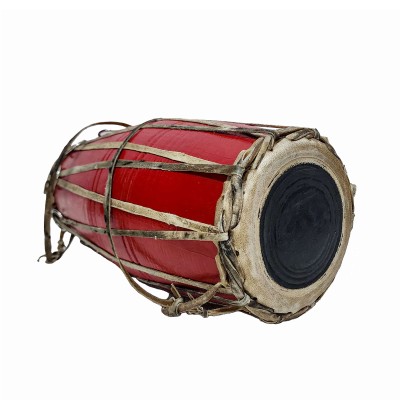
14cm Nepali Folk Musical Instrument Jali Madal Professional
Weight : 0.87kg | [28186]
US$50
US$43
You Save
US$7
(15%)
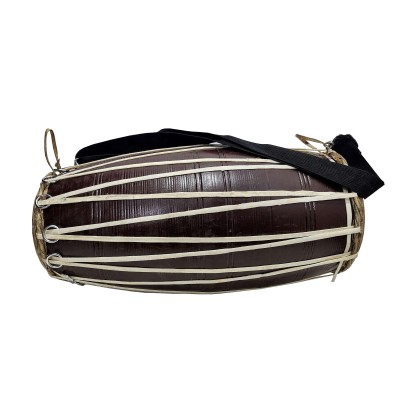
30cm High Quality Nepali Folk Musical Instrument Madal With Bag Professional
Weight : 4.8kg | [28460]
US$450
US$383
You Save
US$67
(15%)
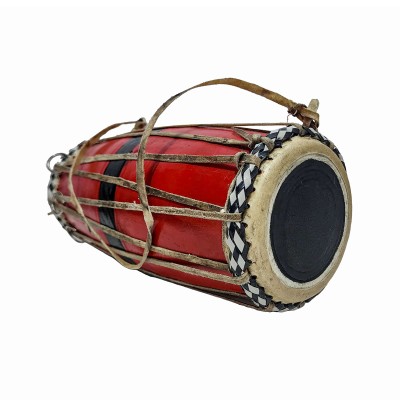
14cm Nepali Folk Musical Instrument Jali Madal Professional
Weight : 0.59kg | [28187]
US$60
US$51
You Save
US$9
(15%)
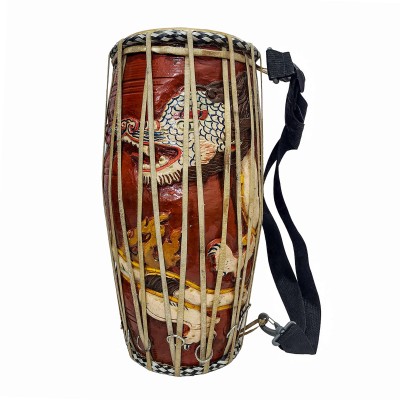
21cm Nepali Folk Musical Instrument Jali Madal With Dragon Design Carved Professional
Weight : 2.97kg | [28183]
US$260
US$221
You Save
US$39
(15%)
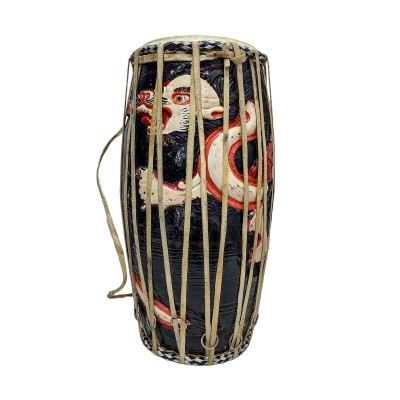
21cm Nepali Folk Musical Instrument Jali Madal With Dragon Design Carved Professional
Weight : 2.67kg | [28182]
US$260
US$221
You Save
US$39
(15%)
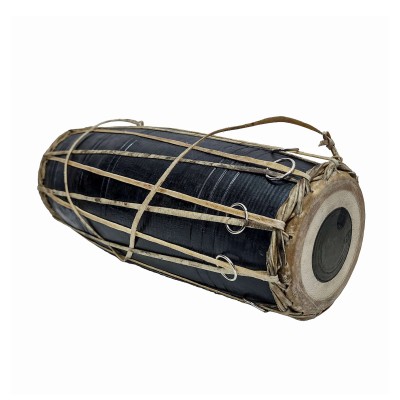
18cm Nepali Folk Musical Instrument Plain Madal Professional
Weight : 1.4kg | [28195]
US$105
US$90
You Save
US$15
(15%)
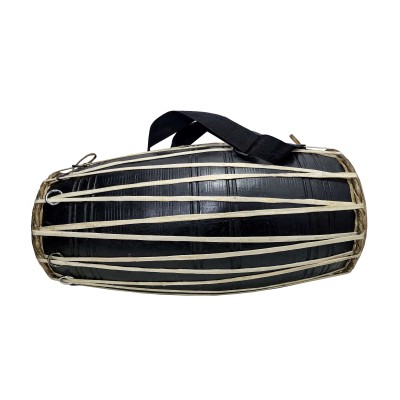
30cm High Quality Nepali Folk Musical Instrument Madal With Bag Professional
Weight : 4.8kg | [28459]
US$450
US$383
You Save
US$67
(15%)
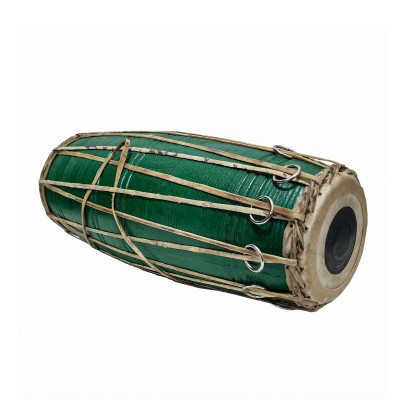
18cm Nepali Folk Musical Instrument Plain Madal Professional
Weight : 1.4kg | [28196]
US$105
US$90
You Save
US$15
(15%)
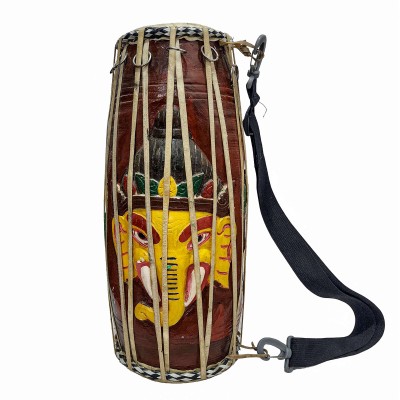
21cm Nepali Folk Musical Instrument Jali Madal With Ganesh Design Carved Professional
Weight : 1.92kg | [28184]
US$260
US$221
You Save
US$39
(15%)
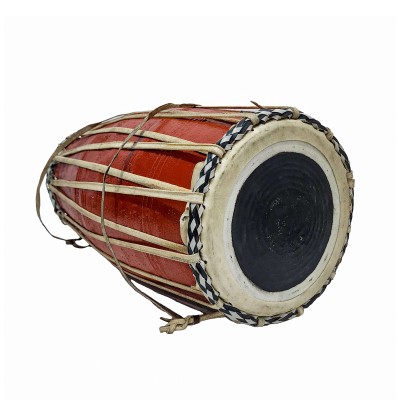
20cm Nepali Folk Musical Instrument Jali Madal Professional
Weight : 2.26kg | [28185]
US$150
US$128
You Save
US$22
(15%)
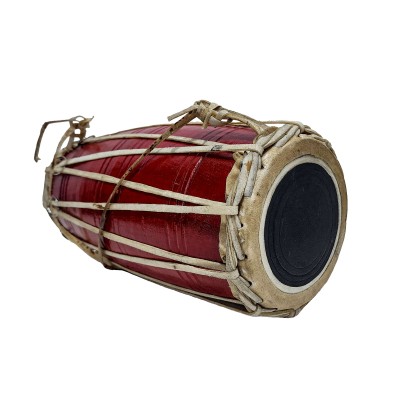
18cm Nepali Folk Musical Instrument Plain Madal Professional
Weight : 1.22kg | [28188]
US$56
US$48
You Save
US$8
(15%)