Authentic Nepali Sarangi: The Soulful Bowed String Instrument of the Himalayas

The Nepali Sarangi is a traditional bowed string instrument carved from a single block of wood, featuring a skin-covered resonance chamber and four strings. Deeply rooted in Nepal's musical heritage, it was historically played by the Gandharva community to share news, tell stories, and perform folk music across villages.
As a traditional bowed string instrument of Nepal, the Sarangi produces a melodic, hauntingly beautiful sound that closely mimics the human voice. For centuries, this instrument has served as the backbone of Nepali folk music. Beyond mere entertainment, it has functioned as a vital tool for oral storytelling and historical preservation. Whether you are a musician seeking a unique tonal addition, a collector of global artifacts, or simply an admirer of Himalayan culture, understanding the Nepali Sarangi offers a profound glimpse into the heart of Nepal.
Introduction of Sarangi
The Sarangi is a traditional musical instrument characterized by its carved wooden body and bowed string mechanism. Unlike many Western stringed instruments constructed from multiple glued pieces, the traditional Nepali Sarangi is typically hand-carved from a single, solid block of wood.
Basic Structure and Anatomy
The Body: The instrument features a distinct double-chambered body. The lower chamber (the resonator) is hollowed out and covered with tightly stretched animal skin, usually goat skin, which amplifies the sound. The upper chamber is left open.
The Strings: A traditional Nepali Sarangi features four strings. Historically, these strings were made from animal gut or plant fibers, though modern iterations frequently use nylon or steel for enhanced durability and tuning stability.
The Bow (Gaj): The instrument is played using a curved wooden bow traditionally strung with horsehair, though synthetic alternatives are common today. Rosin is applied to the bow string to create the friction necessary to produce sound.
Tuning: The four strings are tuned to specific intervals, typically matching the vocal range of the singer it accompanies. Tuning pegs at the top of the neck allow the player to adjust the tension of each string.
It is important to note that because the Sarangi is a handcrafted Nepali Sarangi, exact specifications like dimensions, wood type, and exact tuning mechanisms can vary between individual artisans and regions.
History of the Nepali Sarangi
To understand the Sarangi is to understand the history of Nepal itself. Its development is inextricably linked to the Gandharva (also known as Gaine) community—a traditional caste of wandering musicians and minstrels.
Before the advent of modern communication, radios, or newspapers, the Gandharvas traveled from village to village across the rugged terrain of Nepal. They used the Sarangi as an accompaniment to their singing, delivering news, sharing stories of bravery, recounting historical events, and spreading messages between isolated communities.
While the exact origins of the instrument remain debated among ethnomusicologists, it is well-established that the Nepali Sarangi is distinct from the Indian Sarangi. The Indian version is significantly larger, contains dozens of sympathetic strings, and has a different structural shape. The Nepalese musical instrument is lighter, simpler in its string configuration, and perfectly adapted for the nomadic lifestyle of the Gandharva minstrels.
How Is the Sarangi Played?
Playing the Nepali Sarangi requires a highly specific technique that distinguishes it from Western string instruments like the violin or cello.
Posture: The player generally sits cross-legged on the floor, holding the instrument vertically, resting the base on their lap or knee.
Fingering Technique: Instead of pressing the strings down against a fingerboard (as one does with a guitar or violin), the player uses the cuticles or the base of their fingernails to slide along the strings. This technique allows for continuous, fluid transitions between notes, creating the signature sliding (glissando) effects that give the instrument its vocal, crying tone.
Bowing: The bow is held in the right hand and drawn horizontally across the strings just above the bridge. The pressure and speed of the bow dictate the volume and emotional intensity of the sound.
This unique combination of fingernail stopping and controlled bowing allows for incredibly expressive musical phrasing, making it an ideal instrument for melodic storytelling.
Cultural Importance of Sarangi in Nepal
The cultural significance of the Sarangi extends far beyond its musical capabilities. It is a living artifact of Nepal’s oral tradition.
The Gandharva Tradition
The Gandharva musicians were the original journalists, historians, and entertainers of rural Nepal. When a major event occurred—be it a political shift, a tragic natural disaster, or a heroic act—the Gandharvas would compose songs (gaine geet) and travel the countryside sharing them. The Sarangi was the vehicle that carried these stories.
Preserving Musical Heritage
Today, the Sarangi instrument remains a symbol of national pride. While modern media has replaced the Gandharvas' role as news-bringers, the instrument is fiercely protected by cultural preservationists. It is prominently featured in contemporary Nepali folk music, modern fusion bands, and cultural festivals. Learning to play and craft the Sarangi is viewed as a vital step in preserving the traditional musical instruments of Nepal for future generations.
How Sarangi Is Made
The creation of a handmade Sarangi is a meticulous process that highlights the skill of Nepali woodworkers and artisans.
Wood Selection: Artisans typically select lightweight but resonant woods found in the local environment. Khirra wood is a traditional favorite due to its acoustic properties and workability, though teak, mahogany, and rhododendron wood are also utilized depending on availability and the maker's preference.
Carving: The entire body—including the neck, the open upper chamber, and the hollow lower resonator—is chiseled and hollowed out from a single piece of wood. This requires immense precision so the walls of the instrument are thin enough to resonate but thick enough to withstand string tension.
Skin Stretching: A piece of goat skin is soaked, stretched tightly over the lower hollow chamber, and secured. As the skin dries, it tightens, forming the soundboard.
Assembly and Finishing: A small wooden bridge is placed on the skin, and the strings are anchored at the base and wound around the tuning pegs at the top. The wood is often polished, and many artisans carve intricate traditional motifs, such as Lord Ganesha, Buddha, or local flora, into the headstock or back of the instrument.
Because they are handmade musical instruments Nepal is famous for, no two Sarangis are exactly alike. They will naturally vary in wood grain, decorative finishing, and tonal resonance.
Sound and Characteristics
The defining characteristic of a Nepali folk instrument like the Sarangi is its tonal similarity to the human voice. The sound is inherently melancholic, resonant, and deeply expressive.
Because the strings are stopped with the fingernails rather than pressed to a board, the player can effortlessly glide between pitches, mimicking vocal inflections, sighs, and cries. This makes it perfectly suited for folk music, which relies heavily on emotion and narrative. Whether played as a solo instrument or as part of a larger ensemble with a Madal (hand drum) and Bansuri (bamboo flute), its tone instantly evokes the spirit of the Himalayan countryside.
Traditional Sarangi vs Modern Sarangi
While the core identity of the instrument remains unchanged, contemporary makers have introduced subtle adaptations to suit modern musicians.
Tuning Mechanisms: Traditional Sarangis use simple wooden friction pegs, which can be sensitive to humidity and difficult to fine-tune. Some modern versions incorporate geared metal machine heads (similar to guitar tuners) for easier and more stable tuning.
String Materials: Natural gut strings have largely been replaced by durable nylon or synthetic core strings, which project louder and withstand diverse climates better.
Design Variations: While maintaining the single-block construction, modern artisan pieces may feature a higher degree of protective varnish and more refined aesthetic carvings to appeal to international buyers.
These adaptations do not detract from the instrument's authenticity; rather, they ensure the bowed string instrument remains practical and playable in the modern era.
Sarangi as a Nepali Handicraft
Beyond their musical utility, Sarangis are highly regarded as exquisite pieces of Nepali handicraft. A handcrafted Nepali Sarangi represents hours of skilled labor, indigenous woodworking techniques, and cultural artistry.
They hold immense appeal for a diverse audience. Musicians buy them to explore new sounds and microtonal playing styles. Cultural enthusiasts and collectors value them as authentic representations of Himalayan art. For visitors to Nepal, purchasing a Sarangi is a way to take home a tangible piece of the country's heritage.
Buying a Nepali Sarangi: What to Consider
If you are looking to find a Sarangi for sale or want to know the Sarangi price in Nepal, it is essential to understand what dictates quality. When purchasing, consider the following:
Purpose: Are you buying this to play music, or strictly for home decoration? Decorative models are often highly ornamented but may lack the structural integrity or acoustic resonance needed for proper tuning and playing. Playable instruments prioritize wood acoustics and tight skin tension.
Wood Quality: Look for dense, smooth wood without deep cracks. The carving should be clean and symmetrical.
The Soundboard: The animal skin should be taut, like a drumhead, without tears or sagging.
Strings and Pegs: Ensure the tuning pegs turn smoothly but hold their position under tension.
The Bow: A good bow should have an even spread of hair and enough tension to grip the strings properly (once rosin is applied).
Handmade Variations: Embrace the imperfections. Slight variations in size, carving, and finish are the hallmarks of a genuine handmade product.
Prices vary widely based on whether the instrument is a basic souvenir model, a standard student instrument, or a master-crafted professional piece.
Why Choose a Handmade Sarangi from Nepal?
Choosing to buy Nepali Sarangi directly from local artisans or reputable Nepali handicraft sellers carries profound value. It ensures that you receive an authentic instrument constructed using traditional methods. Furthermore, purchasing a handmade Sarangi directly supports the livelihoods of Nepali woodworkers and helps sustain the traditional crafts of the Gandharva community, keeping this ancient musical heritage alive in the 21st century.
What People Want to Know About Sarangi
What is a Sarangi?
Is Sarangi a traditional Nepali instrument?
How is the Nepali Sarangi played?
What type of instrument is a Sarangi?
How many strings does a Nepali Sarangi have?
Who traditionally played the Sarangi in Nepal?
What is the connection between Sarangi and Gandharva musicians?
What is a Sarangi made from?
How does a Sarangi produce sound?
Can beginners learn to play the Sarangi?
Is a handmade Sarangi suitable for playing or mainly decoration?
Where can I buy a Nepali Sarangi?

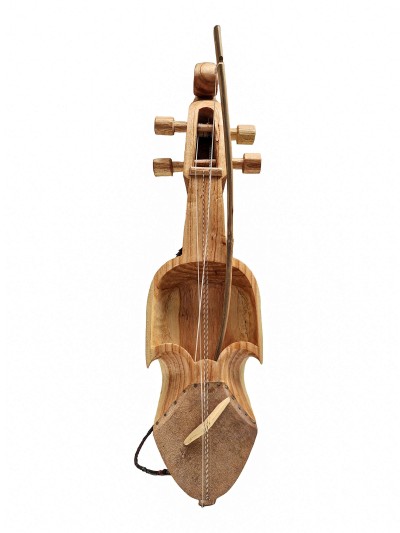
60cm High Quality Nepali Folk Musical Instrument Sarangi Professional
Weight : 0.95kg | [28478]
US$210
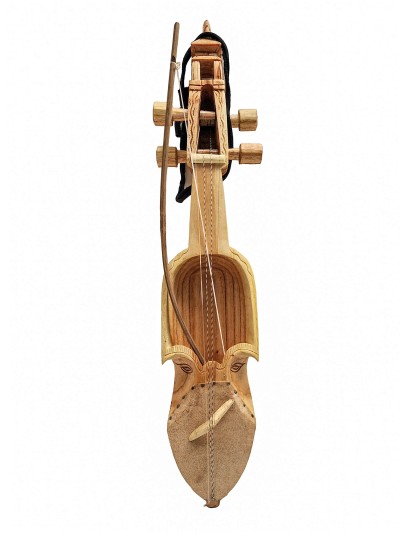
59cm High Quality Nepali Folk Musical Instrument Sarangi Professional
Weight : 0.68kg | [28479]
US$150