Product Categories
Metal Statues
Thangka & Wall Decor
Sound & Spirituality
Buddhist Ritual Object
![[best Price], Shakyamuni Buddha Copper Partly Gold Plated Statue, For A Gift, Altars And Buddhist Ritual](https://www.handmadeexpo.com/pics/product/12118.jpg)

![[best Price], Shakyamuni Buddha Copper Partly Gold Plated Statue, For A Gift, Altars And Buddhist Ritual](https://www.handmadeexpo.com/pics/product/thumb/12118.jpg)
![[best Price], Shakyamuni Buddha Copper Partly Gold Plated Statue, For A Gift, Altars And Buddhist Ritual](https://www.handmadeexpo.com/pics/product/thumb/12118_0.jpg)
![[best Price], Shakyamuni Buddha Copper Partly Gold Plated Statue, For A Gift, Altars And Buddhist Ritual](https://www.handmadeexpo.com/pics/product/thumb/12118_1.jpg)
![[best Price], Shakyamuni Buddha Copper Partly Gold Plated Statue, For A Gift, Altars And Buddhist Ritual](https://www.handmadeexpo.com/pics/product/thumb/12118_2.jpg)
![[best Price], Shakyamuni Buddha Copper Partly Gold Plated Statue, For A Gift, Altars And Buddhist Ritual](https://www.handmadeexpo.com/pics/product/thumb/12118_3.jpg)
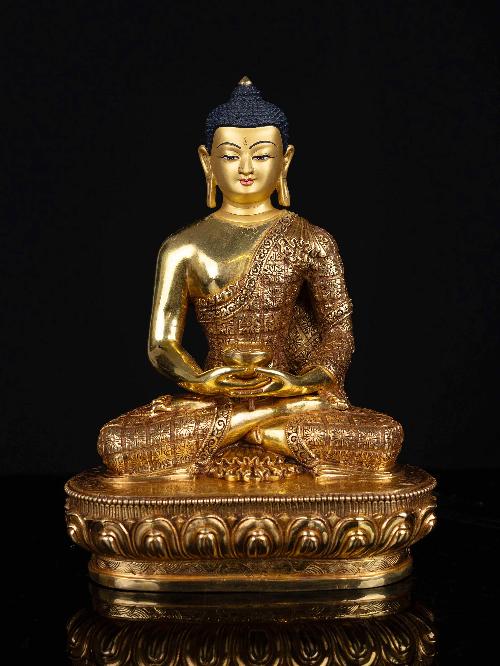
Best Price, Shakyamuni Buddha Copper Partly Gold Plated Statue, For A Gift, Altars and Buddhist Ritual
This Shakyamuni Buddha is essential for any Buddhist home. Designed to meet all the requirements for Buddhist rituals, this Shakyamuni Buddha offers exceptional value at the best price on the market today. Additionally, it will be heavily discounted to make your purchase even more affordable. we strive to provide you with the best possible value at this price point.
The face of Shakyamuni Buddha is painted with gold to enhance its significant features, particularly the eyes, and lips. This detailed painting is essential as it brings forth the crucial attributes of the expression of eyes and lips that metal carving alone cannot capture.
Moreover, the painted face serves as a symbolic and sacred ritual in Buddhism, preparing the statue for consecration and practice. The act of painting the face with gold in Buddhism holds deep meaning. It represents the intention to bring life and expression to the statue, imbuing it with a sense of vitality and presence. The application of gold on the face showcases the devotion and craftsmanship of the artisans, ensuring that every detail is carefully attended to honor the sacred essence of the Shakyamuni Buddha. Read More . . .
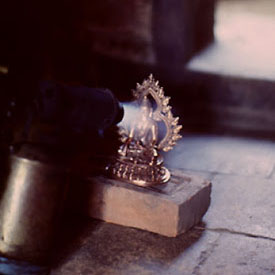
This Shakyamuni Buddha has a Partly gold-plated finish. Partly fire gold gilding, a common practice in Nepali handicrafts. This technique is skillfully employed by artisans to create intricate designs on various metal objects, including statues, jewelry, and decorative items. Through a process, a mask or resist is applied to safeguard specific areas from the gold plating. The object is then subjected to high temperatures, allowing the gold to beautifully adhere to exposed surfaces using a combination of heat and pressure.
In the realm of Buddhist statues, this technique holds additional significance as it distinguishes the golden-plated body from the oxidized or maroon-painted clothing. This visual separation conveys the contrast between the divine purity of the body and the modest attire symbolizing the humble lifestyle of Buddhist monks. The partly fire gold gilding not only adds exquisite detail and elegance but also embodies the deep cultural and spiritual meaning associated with these treasured artifacts. Read More . . .
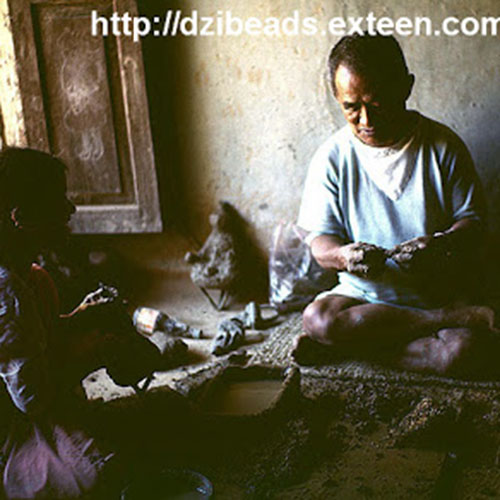
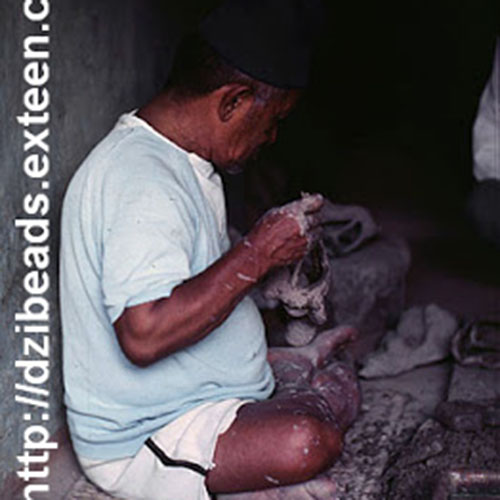
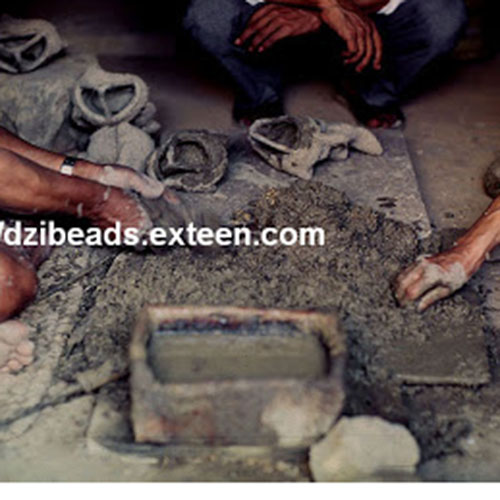
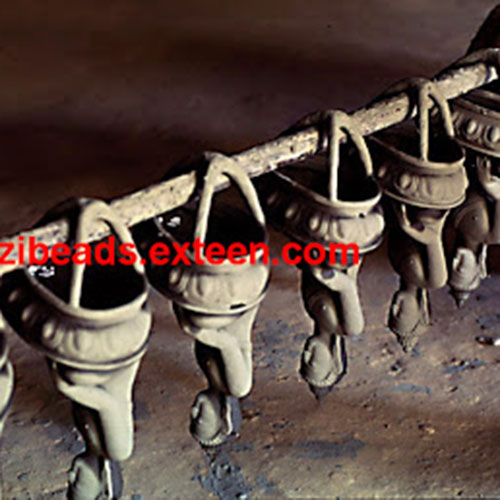
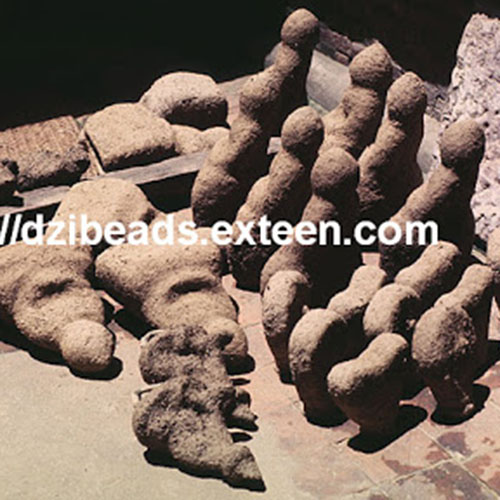
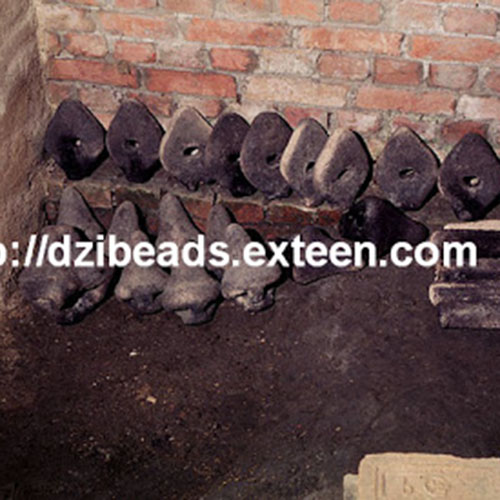
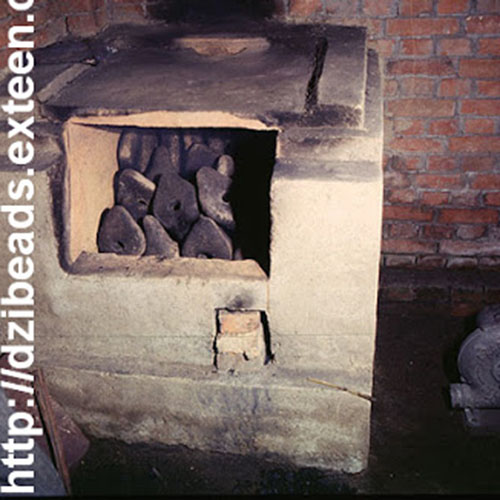
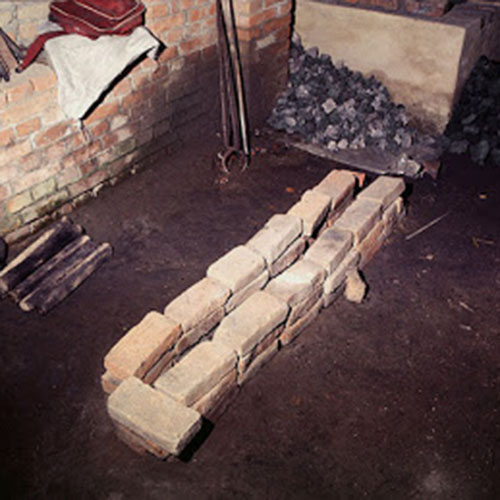
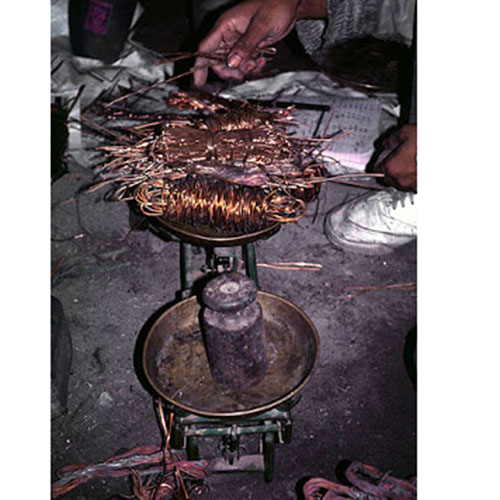
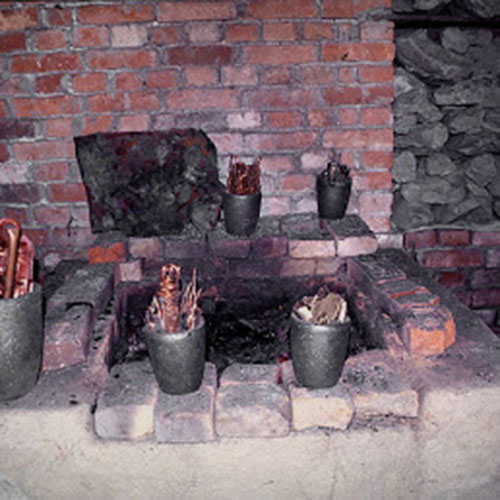
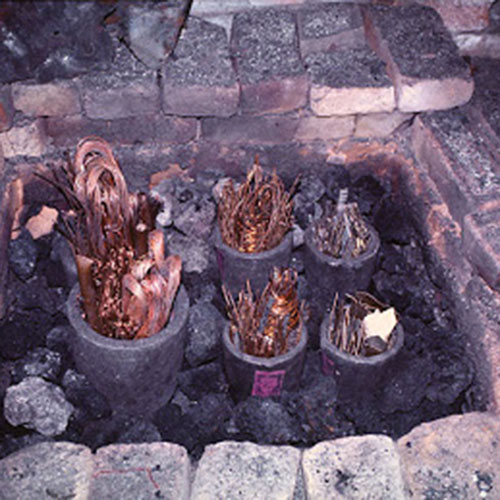
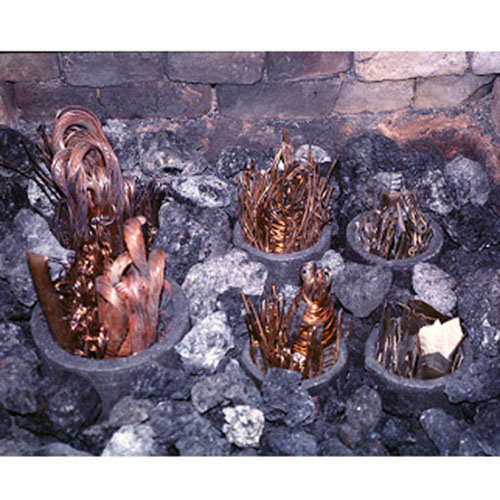
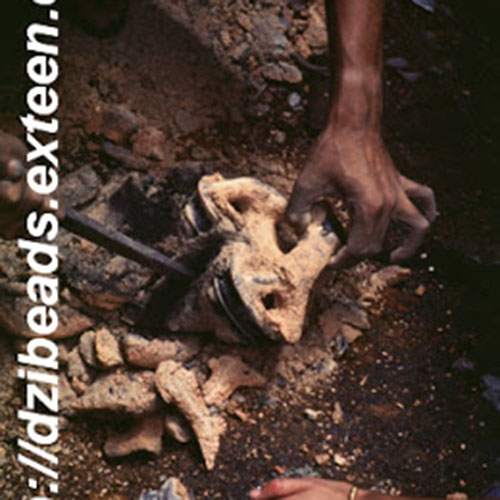
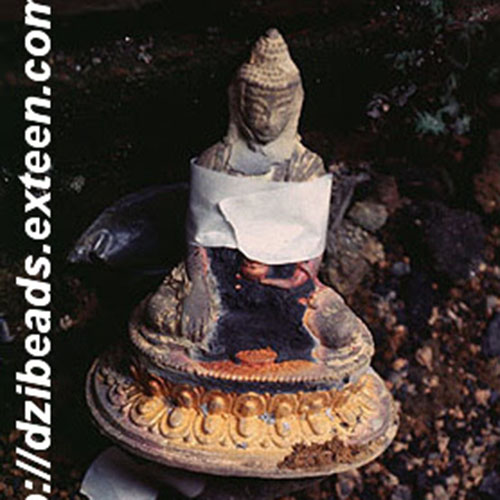
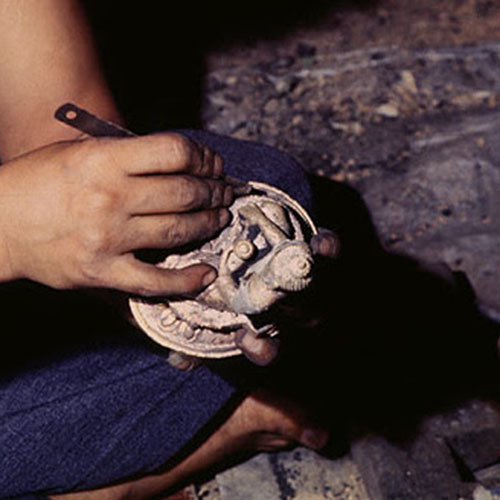
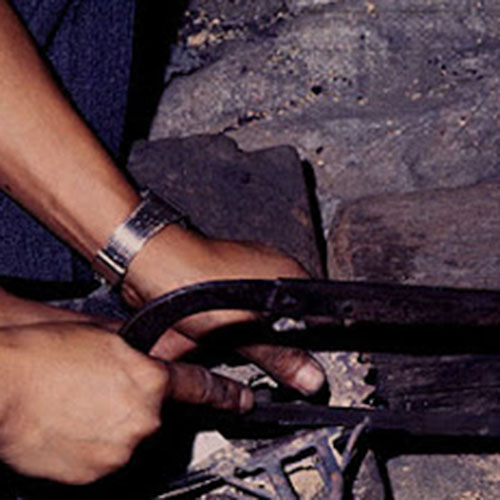
This Buddha of Shakyamuni Buddha is made by the process of the Lost Wax system. This is a very complicated, time consuming and historic process of making metal sculptures.Which is why it is sometimes called Precision Casting as well. Hence the sculptures made by this process are comparatively expensive. There are many new, advanced and less time consuming methods of casting metal sculptures available as well. But due to the benefits provided by the traditional lost wax system in quality control and customization, we prefer the Loss wax system over Ceramic molding, or sand casting to make our Buddha.
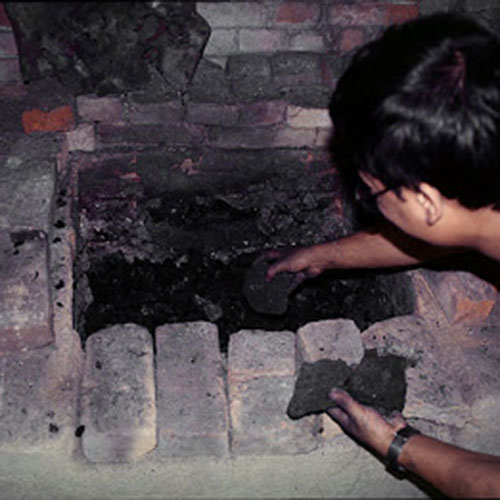
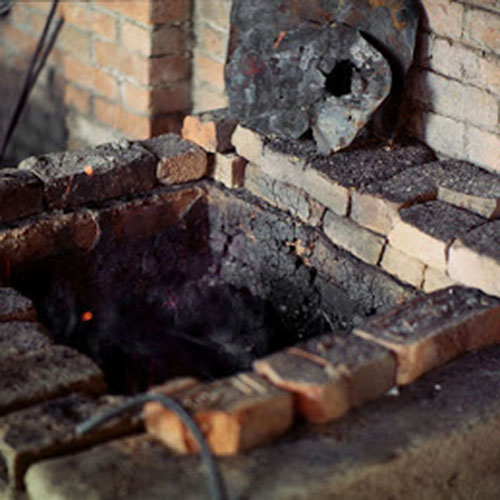
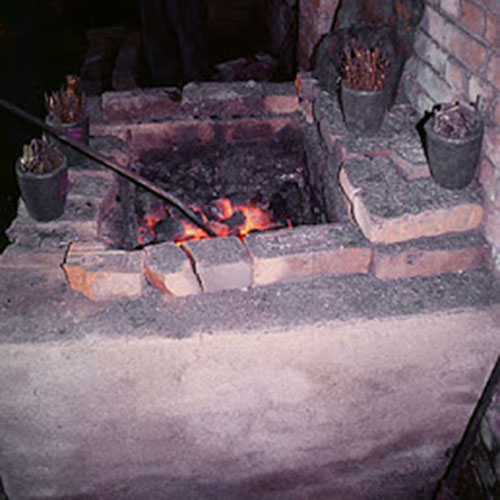
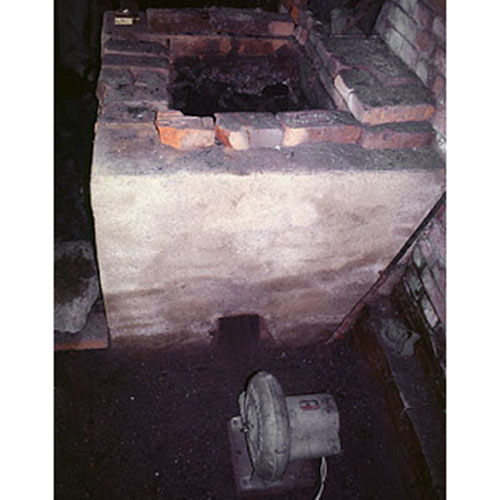
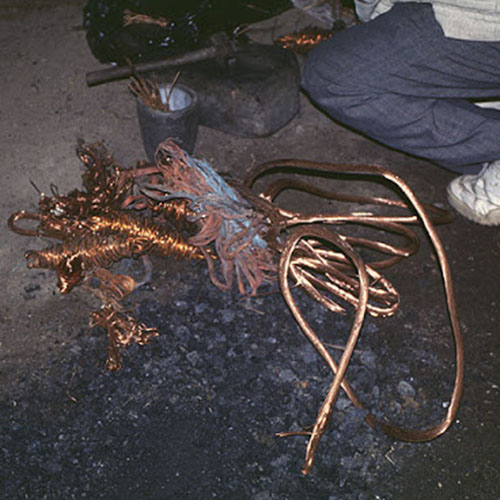
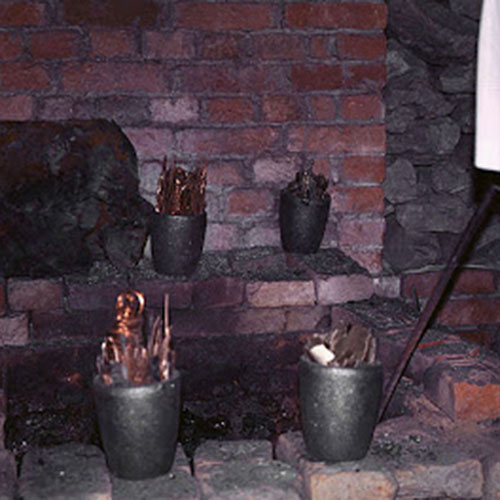
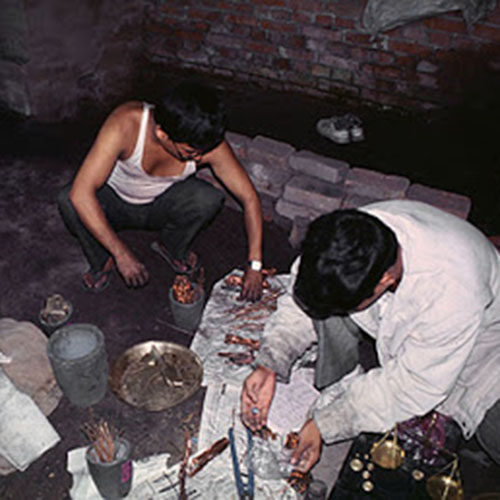
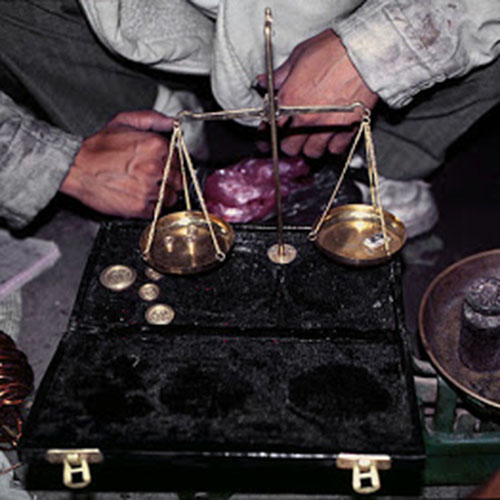
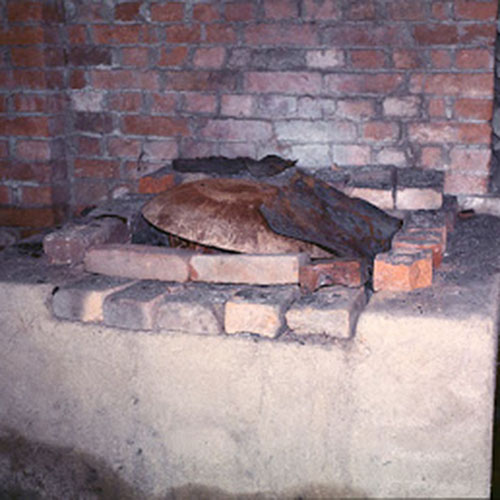
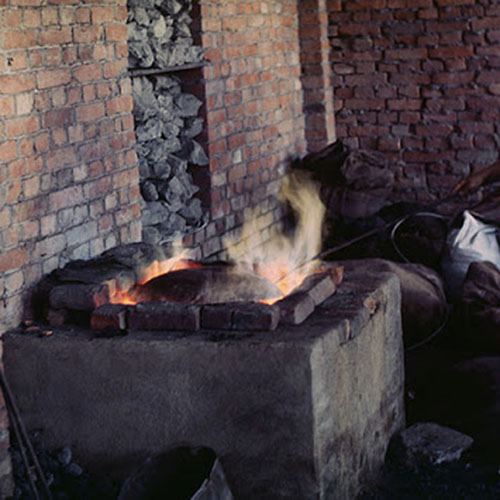
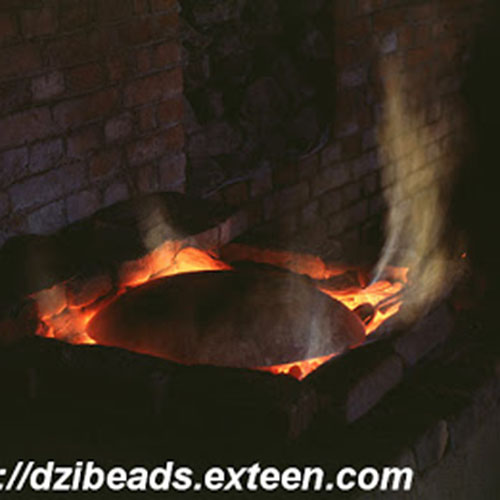
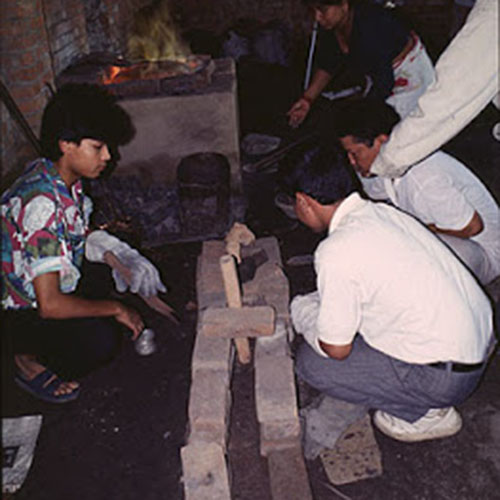
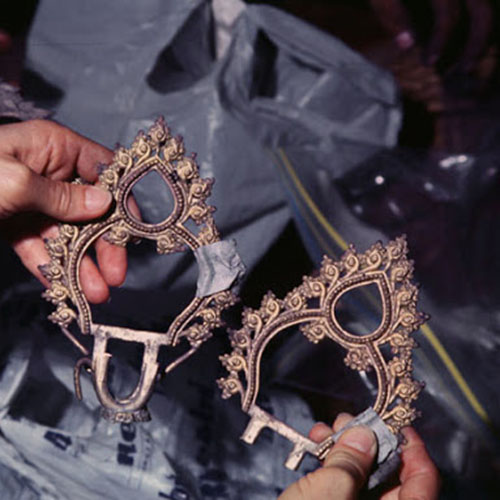
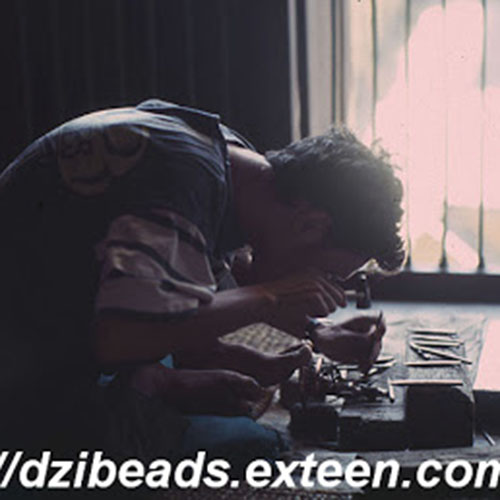
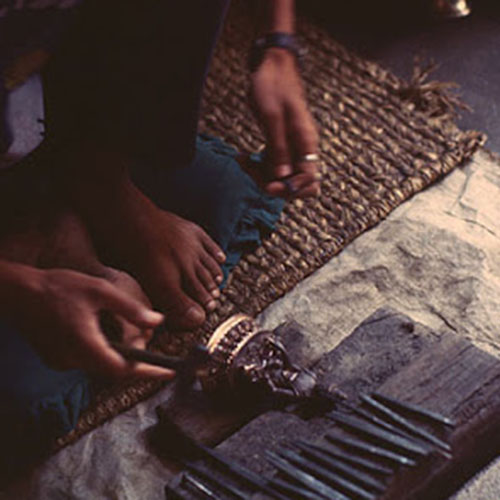
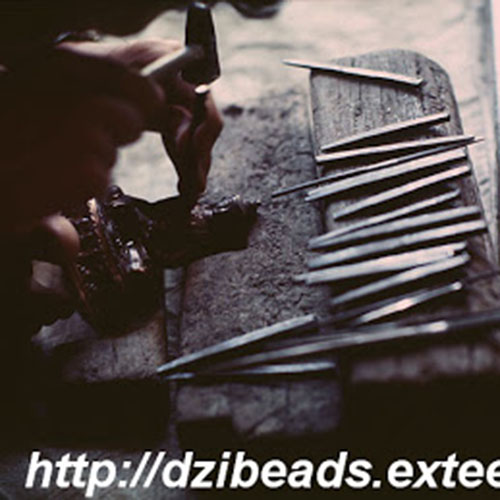
Below we have tried to illustrate the process of making a loss wax system statue: Read More . . .
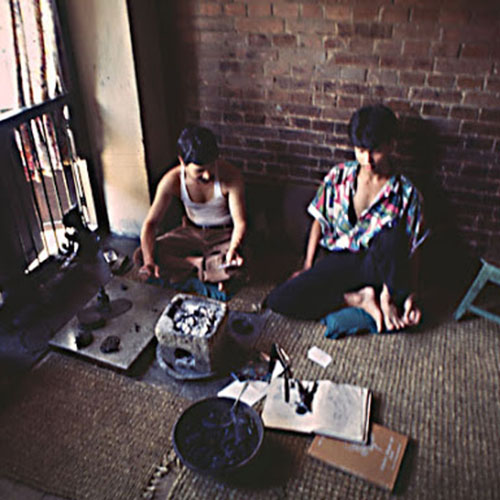
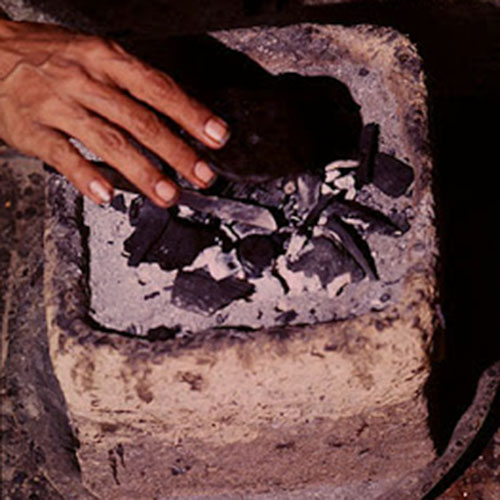
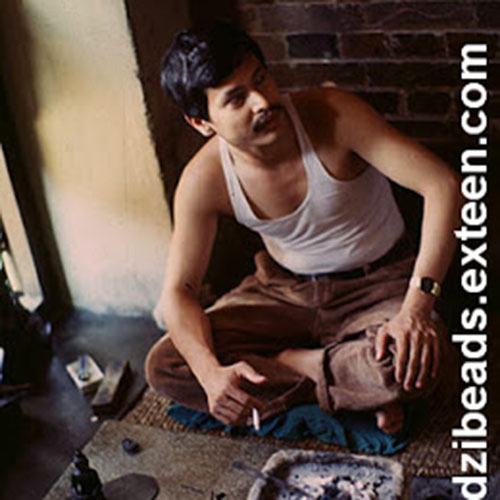
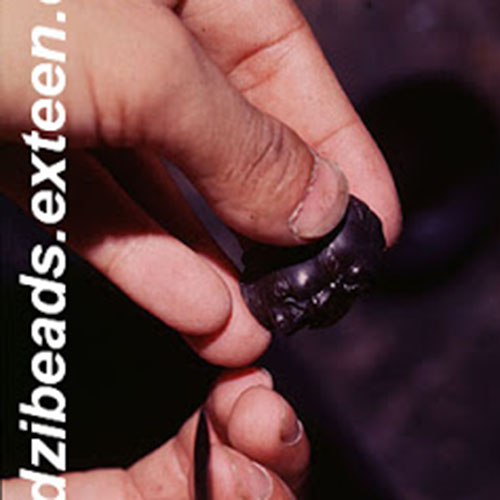
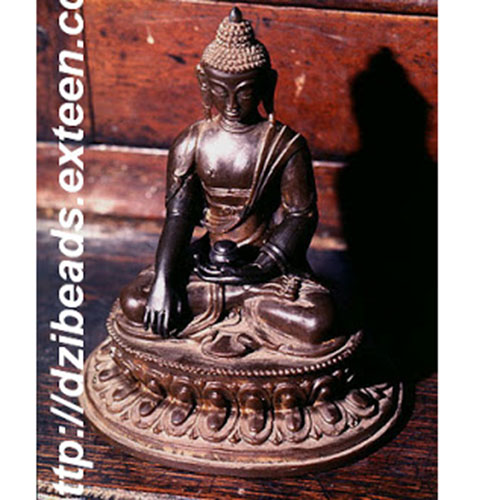
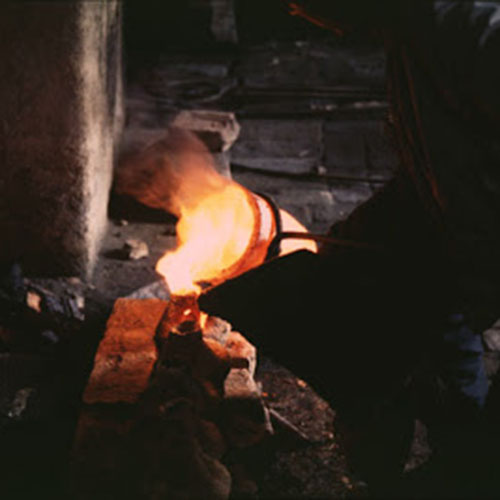
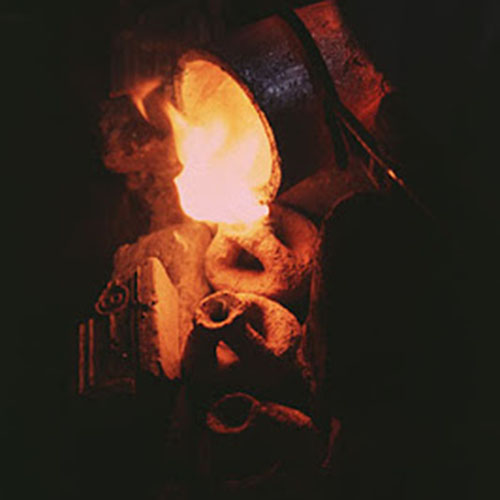
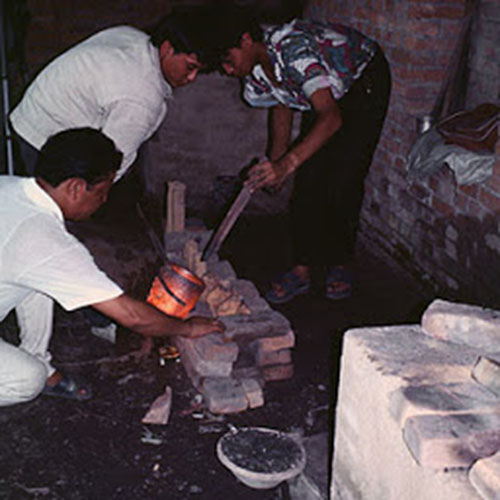
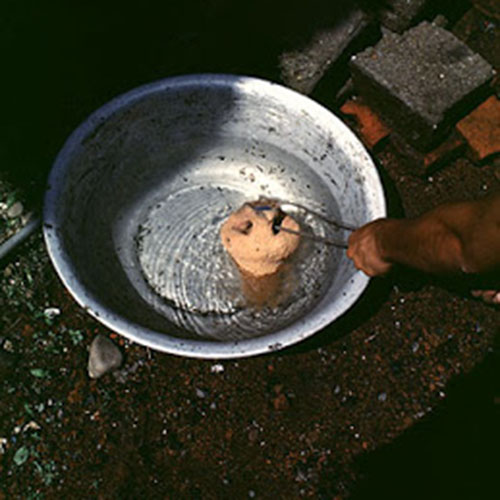
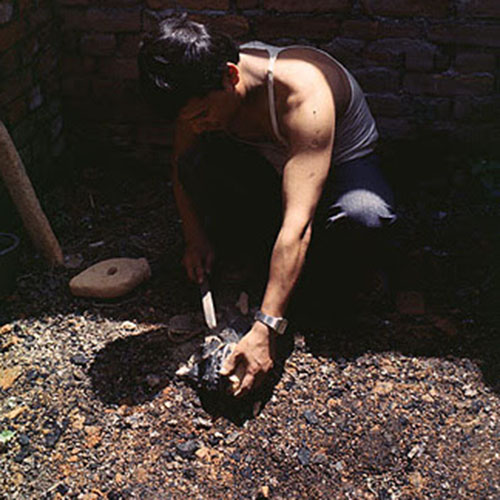
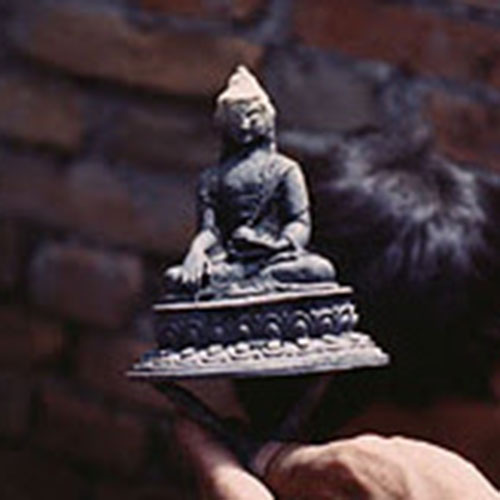
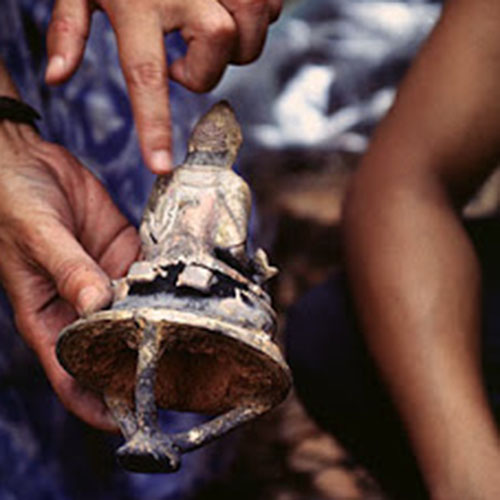
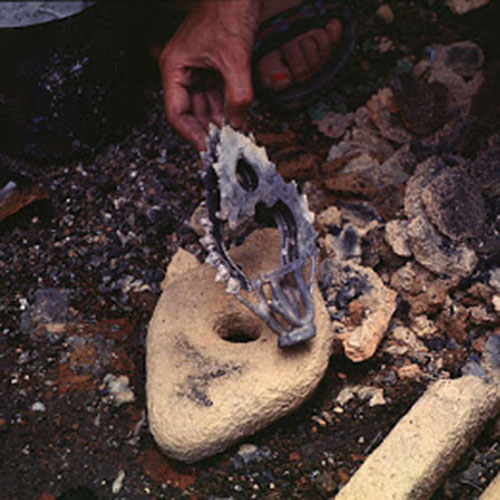
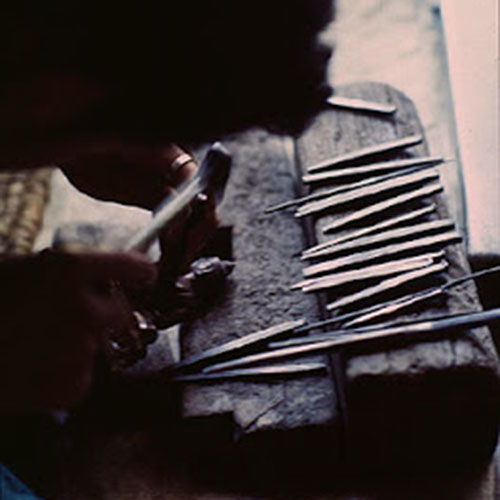
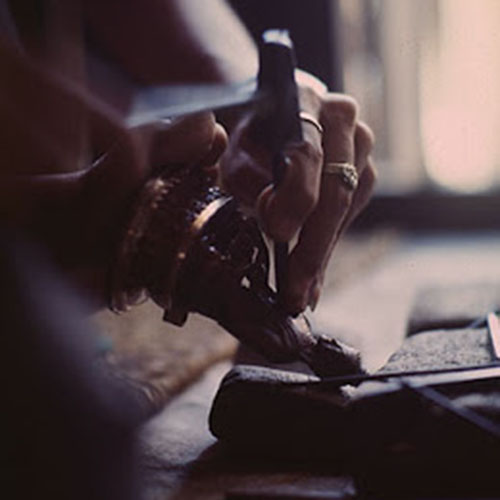
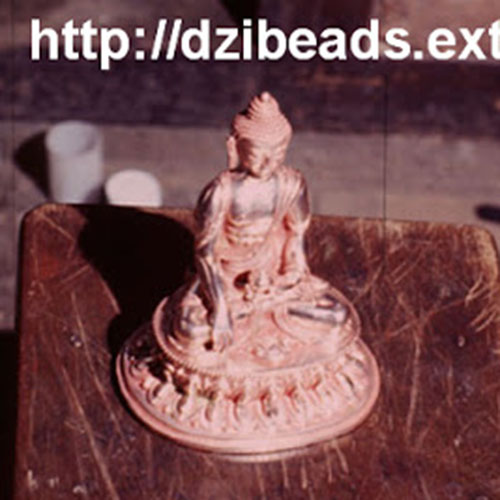
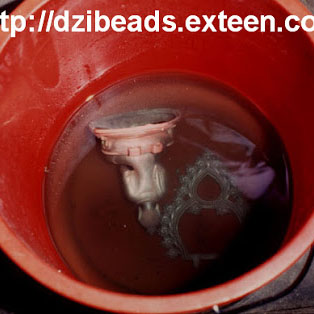
Gautama is painted with golden skin sitting in a lotus seat [Skt. Padmasana] also called the meditative seat [Skt. Dhyanasana] & upon a white moon disc which represents the male principle of method which itself is upon a lotus throne. His left hand touches the ground in what is called bhumisparse mudra which symbolises his own recognition of enlightened mind in one of the most iconic images in all Buddhism. The palm always faces inwards. His feet are deliberately drawn level with one another & enlarged, being specific marks of a Buddha. His right hand supports an alms bowl [Skt. Patra], containing the liquid elixir of eternal life. Somehow the simple image of the bowl reflects his overwhelming humility & kindness. He wears the traditionally maroon gold monk's patched robe [Skt. Samghati] made of twenty five pieces of cloth which the first Buddhist monks sewed together. The Buddha has a green nimbus and blue aureole around his body signifying the highest level of understanding. Siddhartha is surrounded by Pink Lotuses [Skt. Padma]. This kind of lotus is connected with loving kindness & a flowering of pure consciousness. The closed bud to his right side represents the past or originating mind, the blooming flower represents the present & the buds represents the future Buddha Maitreya and forthcoming realisations. His elongated earlobes depict his royal connection; his knotted black hair & topknot symbolise his abandonment of worldly possessions; the dot [Skt. Urna] on his brow on the command chakra [Skt. Ajna] represents his transcendent wisdom, the 31st mark of a Buddha.
He studied Buddhist Ideas in several locations in Kashmir & Northern India which to may seem a contradiction in terms, this is because to many Gautama Buddha is what Buddhism is. There are in fact two basic schools of thought. 1. That Gautama is recognised for his enlightened reasoning who according to Theravada Buddhism was the 28th Buddha. 2. That he is the Supreme Buddha [Skt. Sammasambuddha] of our age & that he is the be all & end all of Buddhist Doctrine, & closely follow his progress or 'life story' & to how he in how became full awoken. In Hinduism he is considered to be the ninth avatar of God Vishnu.
At the age of 29 Siddhartha left his palace in order to meet his people. Despite his father's effort to remove the sick, aged & impoverished, Siddhartha encountered an old man. Disturbed by this, when told that all people would eventually grow old by his charioteer Channa, variously, a diseased man, a decaying corpse, and an ascetic. Deeply depressed by these sights, he sought to overcome old age, illness, and death by living the life of an ascetic. He left his palace leaving behind this royal life to become a mendicant. Siddhartha left Rajagaha and practised under two hermit teachers. After mastering the teachings of Alara Kalama Siddhartha was asked by Kalama to succeed him, but moved on.
He then became a student of Uddaka Ramaputta, but although he achieved high levels of meditative consciousness and was asked to succeed Ramaputta, he was still not satisfied with his path, and moved on. He initially became as ascetic but then After asceticism and concentrating on meditation and Anapana-sati (awareness of breathing in and out), Siddhartha is said to have discovered what Buddhists call the Middle Way- a path of moderation away from the extremes of self-indulgence and self-mortification.
Gautama thus journeyed to Deer Park near Varanasi (Benares) in northern India, he set in motion the Wheel of Dharma by delivering his first sermon to the group of five companions with whom he had previously sought enlightenment. They, together with the Buddha, formed the first sangha, the company of Buddhist monks. For the remaining 45 years of his life, the Buddha is said to have traveled in the Gangetic Plain, in what is now Uttar Pradesh, Bihar & southern Nepal, teaching to an extremely diverse range of people, from nobles to outcaste street sweepers, mass murderers such as Angulimala & cannibals such as Alavaka. The sangha travelled from place to place in India, expounding the dharma.
2nd Commentary Gautama's entire Teachings revolve around: The Principle of the Three marks of existence; 1. Dukkha (Sanskrit: du?kha): That all beings suffer from all situations due to unclear mind. 2. Anicca (Sanskrit: anitya): That all things are impermanent. 3. Anatta (Sanskrit: anatman): That the perception of a constant "self" is an illusion. Gautama considers the arising of this suffering, & explains that this is caused by a misunderstanding of phenomena (the world around us) which is impermanent [Anicca] which he then related to the illusion of the ego, which is actually nothing but an illusion. [Anatta]. He shows that by understanding the nature of the suffering, & specifically its arising, we can alleviate this or extinguish it altogether.
1.To live means to suffer, because the human nature is not perfect and neither is the world we live in. During our lifetime, we inevitably have to endure physical suffering such as pain, sickness, injury, tiredness, old age, and eventually death; and we have to endure psychological suffering like sadness, fear, frustration, disappointment, and depression. Although there are different degrees of suffering and there are also positive experiences in life that we perceive as the opposite of suffering, such as ease, comfort and happiness, life in its totality is imperfect and incomplete, because our world is subject to impermanence. This means we are never able to keep permanently what we strive for, and just as happy moments pass by, we ourselves and our loved ones will pass away one day, too.
2. The origin of suffering is attachment. The origin of suffering is attachment to transient things and the ignorance thereof. Transient things do not only include the physical objects that surround us, but also ideas, and -in a greater sense- all objects of our perception. Ignorance is the lack of understanding of how our mind is attached to impermanent things. The reasons for suffering are desire, passion, ardour, pursuit of wealth and prestige, striving for fame and popularity, or in short: craving and clinging. Because the objects of our attachment are transient, their loss is inevitable, thus suffering will necessarily follow. Objects of attachment also include the idea of a "self" which is a delusion, because there is no abiding self. What we call "self" is just an imagined entity, and we are merely a part of the ceaseless becoming of the universe.
3. The cessation of suffering is attainable. The cessation of suffering can be attained through nirodha. Nirodha means the unmaking of sensual craving and conceptual attachment. The third noble truth expresses the idea that suffering can be ended by attaining dispassion. Nirodha extinguishes all forms of clinging and attachment. This means that suffering can be overcome through human activity, simply by removing the cause of suffering. Attaining and perfecting dispassion is a process of many levels that ultimately results in the state of Nirvana. Nirvana means freedom from all worries, troubles, complexes, fabrications and ideas. Nirvana is not comprehensible for those who have not attained it.
4. The path to the cessation of suffering. There is a path to the end of suffering - a gradual path of self-improvement, which is described more detailed in the Eightfold Path. It is the middle way between the two extremes of excessive self-indulgence (hedonism) and excessive self-mortification (asceticism); and it leads to the end of the cycle of rebirth. The latter quality discerns it from other paths which are merely "wandering on the wheel of becoming", because these do not have a final object. The path to the end of suffering can extend over many lifetimes, throughout which every individual rebirth is subject to karmic conditioning. Craving, ignorance, delusions, and its effects will disappear gradually, as progress is made on the Noble Eightfold Path will lead to the cessation of attachment and craving and therefore suffering.
Mantra of Shakyamuni buddha
You may also want to read the related articles :
Service of Filling and blessing in Statue | Videos of statue Making Process | Making Process Of Metal Statues | Gold Plating in Statues | Altering Finishing in StatueAt Handicraft Seller, we believe in providing a seamless and user-friendly experience to our valued customers. While our website is not an online shopping platform, we have incorporated a shopping cart system to simplify the process of sending us your inquiries. Please follow the steps below to place your order:
Step 1: Browsing the Selection
Explore our website to discover a delightful array of authentic Nepali handicraft products.
Click on the products you are interested in to view detailed descriptions and images.
Step 2: Adding Items to Your Inquiry Cart
To express your interest in a particular product, click the "Add to Inquiry Cart" button associated with that item.
The shopping cart will accumulate your selected products, providing a convenient way to organize your choices.
Step 3: Reviewing Your Inquiry Cart
Once you have finished selecting the items you wish to inquire about, review your "Inquiry Cart" to ensure accuracy.
Step 4: Sending Your Inquiries
Proceed to submit your inquiries by clicking the "Submit Inquiry" button.
A form will prompt you to provide your contact details, the selected products, and any specific queries you may have.
Step 5: Communicating through Email
As we do not have an automated payment system, we will conduct the business process through email.
Our team will review your inquiries and respond via email, offering further assistance and guidance.
Step 6: Clarifying Details and Finalizing Your Order
Engage in direct communication with our team to clarify any additional information or customization requests.
Once you are satisfied with the details, we will provide you with payment instructions and confirm the order.
Step 7: Completing the Transaction
Make the payment through the designated method as provided in the email.
After receiving the payment, we will process your order and prepare it for shipment.
Step 8: Shipping and Delivery
We offer worldwide shipping for all our products.
Once your order is dispatched, we will provide you with shipping details and tracking information.
Step 9: Receiving and Enjoying Your Handicrafts
Wait for your exquisite handicrafts to arrive at your doorstep.
Unpack and revel in the beauty and craftsmanship of your chosen Nepali treasures.
Contacting Us
If you encounter any complications while submitting your inquiries or need further assistance, please feel free to contact us.
Preferably, reach out to us through WhatsApp or email for prompt responses and support.
We hope this straightforward ordering process ensures a delightful and satisfying experience with Handicraft Seller. Thank you for choosing us to connect you with the rich heritage of Nepali handicrafts.
Return Policy
We have a 7 days money back policy but buyer have to pay the return shipping charges.
Shipping
- Shipping cost is calculated, based on the shipping weight of the products ordered. THe normal Shipping cost is US$25 for upto 0.5 kgs weight
- We ship Worldwide, Except Russia and India.
- The deliver duration varies for international Shipping location. We normally dispatch the product in 2 -3 business days. Else Buyer will be infromed Personally about the shipping.
Related Products
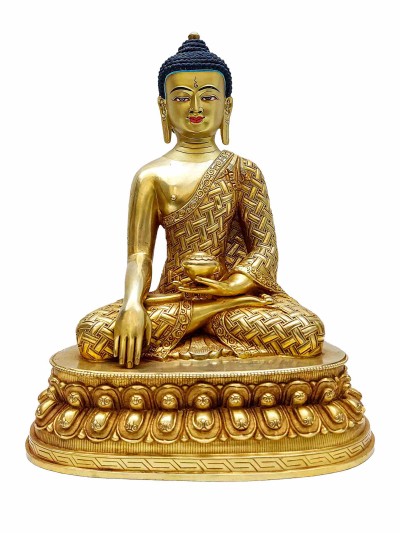
32cm Buddhist Handmade Statue Of Shakyamuni Buddha, Full Gold Plated With Painted Face
Weight : 3kg | [27157]
US$520
US$416
You Save
US$104
(20%)
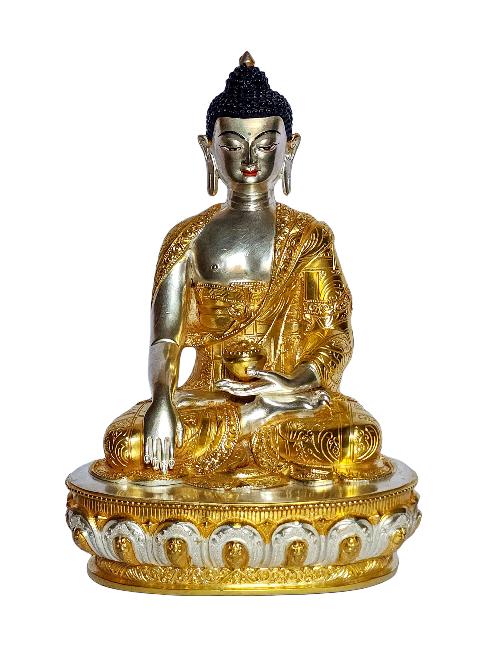
23cm Shakyamuni Buddha, Buddhist Handmade Statue, Partly Gold And Silver Plated, Original Mold
Weight : 2.01kg | [30506]
US$700
US$560
You Save
US$140
(20%)
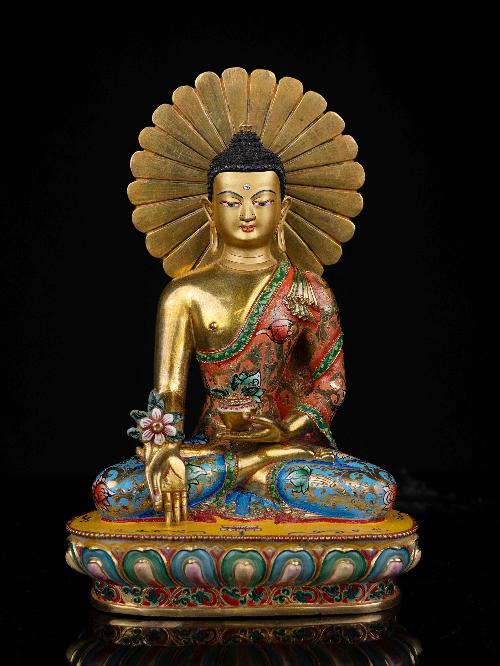
26cm Medicine Buddha, Buddhist Statue, Thangka Color Finishing, Face Painted
Weight : 2.1kg | [35649]
US$1248
US$998.4
You Save
US$249.6
(20%)
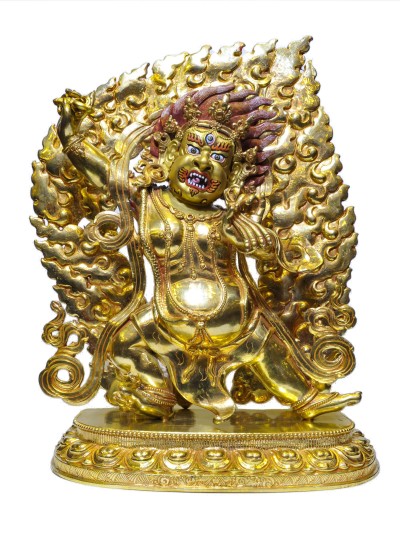
37cm Buddhist Statue Of Vajrapani Chana Dorje, Chana Dorje, Full Gold Plated, Antique Finishing With Painted Face
Weight : 6.63kg | [26647]
US$1760
US$1408
You Save
US$352
(20%)
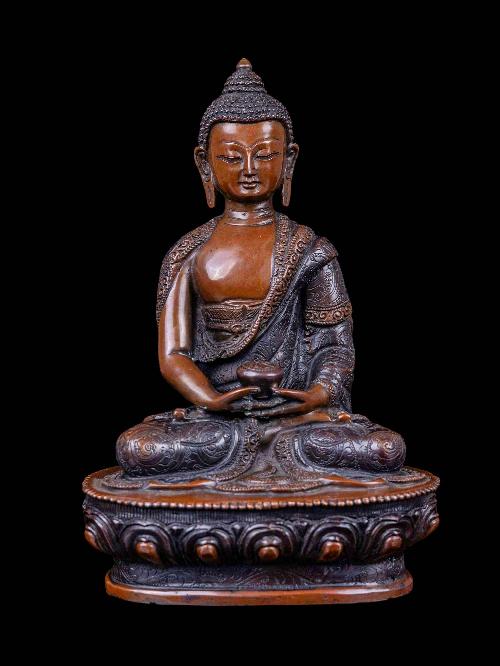
21cm Amitabha Buddha, Buddhist Handmade Statue, Chocolate Oxidized, High Quality
Weight : 1.09kg | [34441]
US$360
US$288
You Save
US$72
(20%)
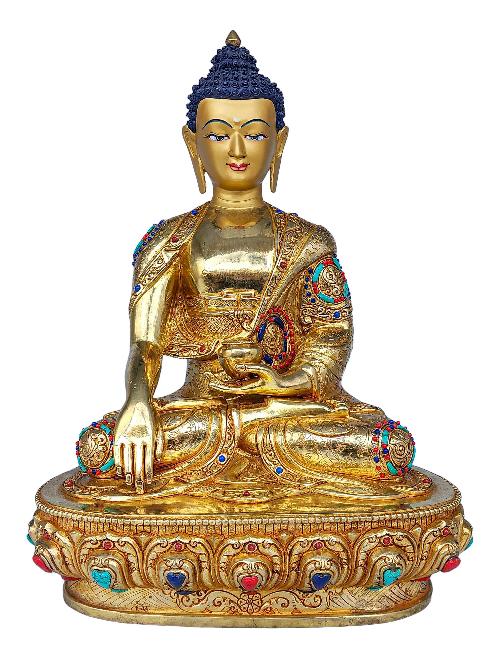
33cm Shakyamuni Buddha, Buddhist Handmade Statue, Face Painted, Gold Plated And Stone Setting
Weight : 3.54kg | [31456]
US$1200
US$960
You Save
US$240
(20%)
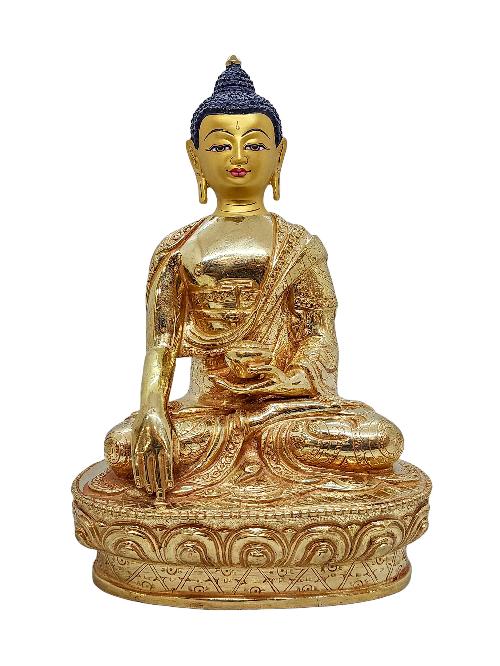
21cm Shakyamuni Buddha, Buddhist Handmade Statue, Gold Plated And Face Painted
Weight : 1.25kg | [31285]
US$260
US$208
You Save
US$52
(20%)
28cm Amitabha Buddha, Buddhist Statue, Full Gold Plated, Face Painted
Weight : 2.7kg | [35622]
US$1968
US$1574.4
You Save
US$393.6
(20%)