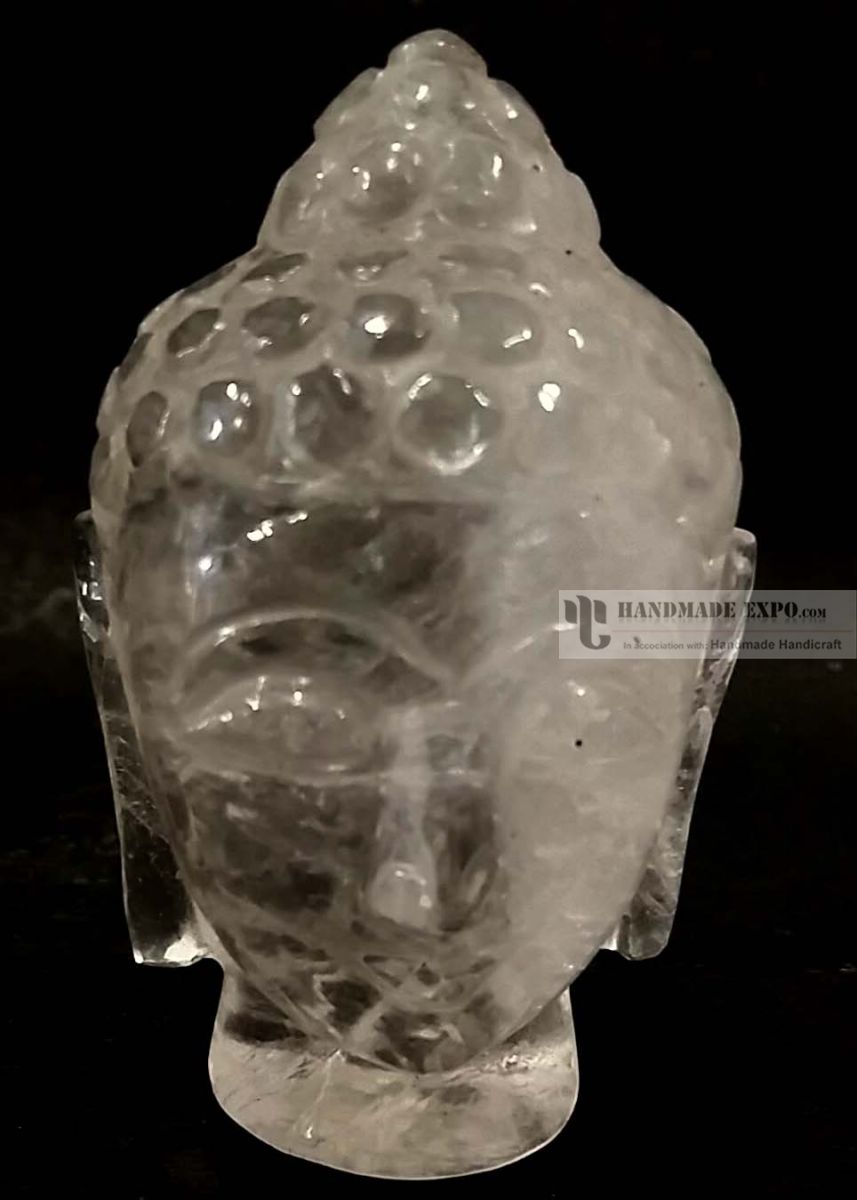
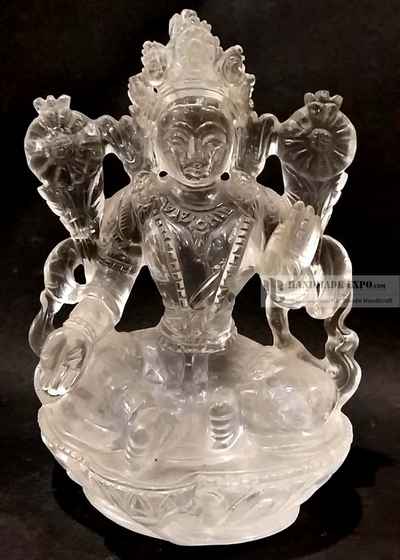
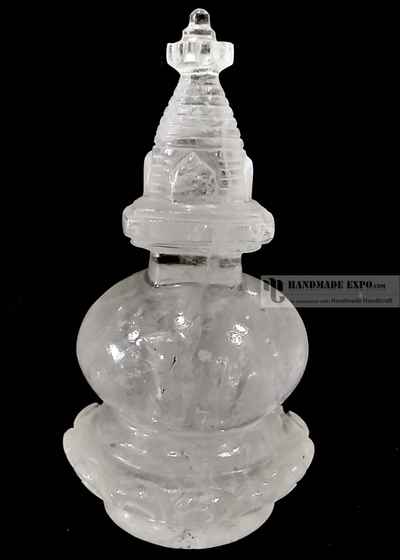
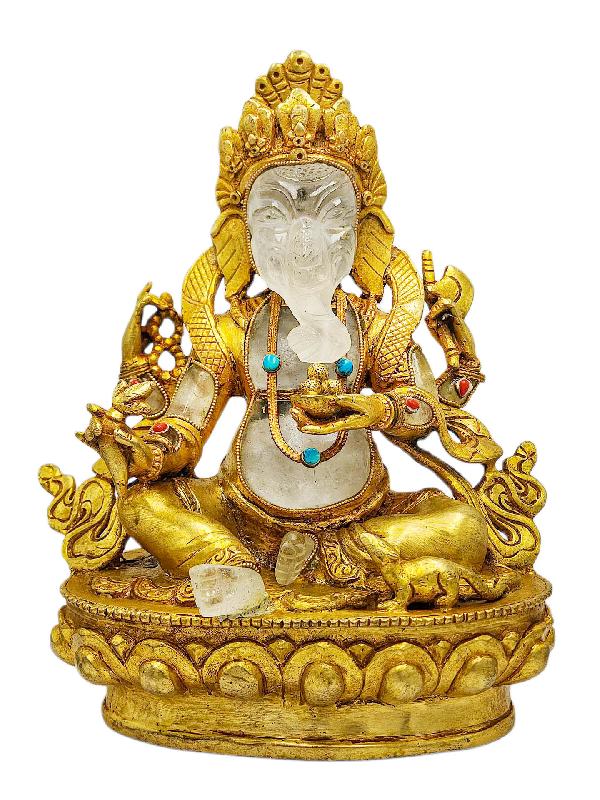
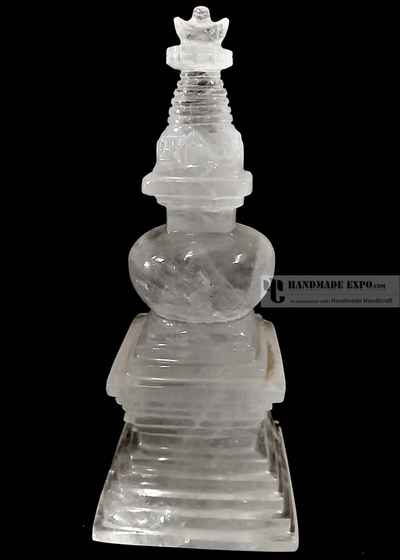
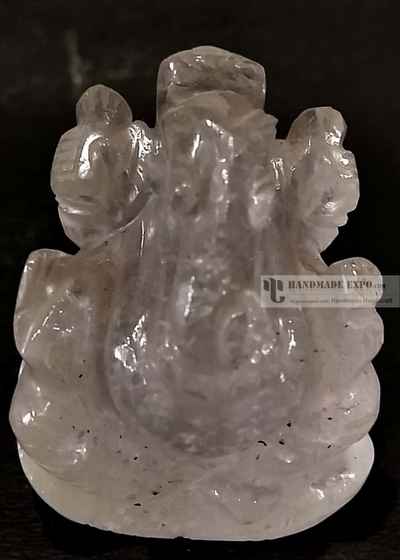
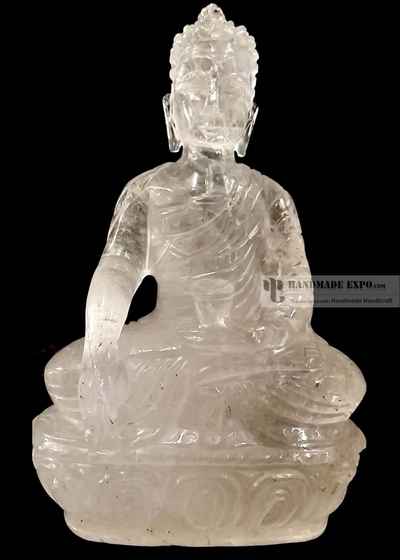
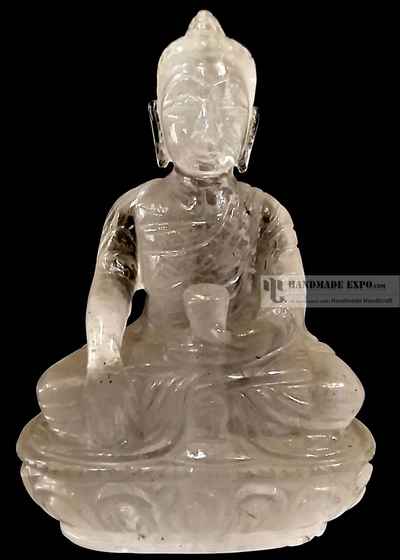
Gautama Buddha, popularly known as the Buddha, He is regarded as the founder of the world religion of Buddhism, and revered by most Buddhist schools as a savior, the Enlightened One who rediscovered an ancient path to release clinging and craving and escape the cycle of birth and rebirth. He taught for around 45 years and built a large following, both monastic and lay. His teaching is based on his insight into the arising of duḥkha and the ending of duhkha the state called Nirvana
Shipping Calculation
The shipping weight for 1 piece of the product is 0.50 kg, and shipping cost is USD31.00.
Note: Shipping Charge for this product will be calculated based on volumetric(dimensional) weight.
Country
Shipping Mode
We normally dispatch orders within 2 to 5 business days. If there are any delays, we will personally inform the buyer about the dispatch date.
We accept Paypal | Credit/Debit Card | Bank Transfer | Money Transfer / Remit Click Here for more Information.
We offer a simple 7-day money-back policy, with the buyer responsible for return shipping. Click Here for more Information.
Buddha :
Gautama Buddha, popularly known as the Buddha, He is regarded as the founder of the world religion of Buddhism, and revered by most Buddhist schools as a savior, the Enlightened One who rediscovered an ancient path to release clinging and craving and escape the cycle of birth and rebirth. He taught for around 45 years and built a large following, both monastic and lay. His teaching is based on his insight into the arising of duḥkha and the ending of duhkha the state called Nirvana
Full Gold Gilded with Antique Patina.
The Buddha has full gold plated antique finishing. This finishing is a combination of fire mercury gold plating and antique finishing. This traditional technique involves the application of a genuine layer of gold onto the Buddha using the time-honored process of mercury gold plating. Skilled artisans meticulously handle the amalgamation of gold with mercury, ensuring precise application and a truly authentic result. To enhance its charm further, the Buddha undergoes an antique finishing process. This meticulous treatment adds a touch of age and character to the gold plating, creating a sense of antiquity. Through careful craftsmanship and the application of specialized techniques, the Buddha acquires a beautifully aged appearance that adds depth and uniqueness to its overall aesthetic.
The fire mercury gold plating with antique finishing showcases the artisan's dedication to preserving traditional techniques and capturing the essence of timeless elegance. The combination of gold plating and antique finishing lends the Buddha an exquisite and enchanting allure, making it a cherished piece that stands out with its enduring beauty.
Detailed Description of Mercury Gilding - Source wikipedia
Fire-gilding or Wash-gilding is a process by which an amalgam of gold is applied to metallic surfaces, the mercury being subsequently volatilized, leaving a film of gold or an amalgam containing 13 to 16% mercury. In the preparation of the amalgam, the gold must first be reduced to thin plates or grains, which are heated red-hot, and thrown into previously heated mercury, until it begins to smoke. When the mixture is stirred with an iron rod, the gold is totally absorbed. The proportion of mercury to gold is generally six or eight to one. When the amalgam is cold, it is squeezed through chamois leather to separate the superfluous mercury; the gold, with about twice its weight of mercury, remains behind, forming a yellowish silvery mass with the consistency of butter.
When the metal to be gilded is wrought or chased, it ought to be covered with mercury before the amalgam is applied, that this may be more easily spread; but when the surface of the metal is plain, the amalgam may be applied to it directly. When no such preparation is applied, the surface to be gilded is simply bitten and cleaned with nitric acid. A deposit of mercury is obtained on a metallic surface by means of quicksilver water, a solution of mercury(II) nitrate, the nitric acid attacking the metal to which it is applied, and thus leaving a film of free metallic mercury.
The amalgam being equally spread over the prepared surface of the metal, the mercury is then sublimed by a heat just sufficient for that purpose; for, if it is too great, part of the gold may be driven off, or it may run together and leave some of the surface of the metal bare. When the mercury has evaporated, which is known by the surface having entirely become of a dull yellow color, the metal must undergo other operations, by which the fine gold color is given to it. First, the gilded surface is rubbed with a scratch brush of brass wire, until its surface is smooth.
It is then covered with gilding wax, and again exposed to fire until the wax is burnt off. Gilding wax is composed of beeswax mixed with some of the following substances: red ochre, verdigris, copper scales, alum, vitriol, and borax. By this operation the color of the gilding is heightened, and the effect seems to be produced by a perfect dissipation of some mercury remaining after the former operation. The gilt surface is then covered over with potassium nitrate, alum or other salts, ground together, and mixed into a paste with water or weak ammonia. The piece of metal thus covered is exposed to heat, and then quenched in water.
By this method, its color is further improved and brought nearer to that of gold, probably by removing any particles of copper that may have been on the gilt surface. This process, when skillfully carried out, produces gilding of great solidity and beauty, but owing to the exposure of the workmen to mercurial fumes, it is very unhealthy. There is also much loss of mercury to the atmosphere, which brings extremely serious environmental concerns as well.
This method of gilding metallic objects was formerly widespread, but fell into disuse as the dangers of mercury toxicity became known. Since fire-gilding requires that the mercury be volatilized to drive off the mercury and leave the gold behind on the surface, it is extremely dangerous. Breathing the fumes generated by this process can quickly result in serious health problems, such as neurological damage and endocrine disorders, since inhalation is a very efficient route for mercuric compounds to enter the body. This process has generally been supplanted by the electroplating of gold over a nickel substrate, which is more economical and less dangerous.
Fire Gold Plating In Nepal
Read More . . .
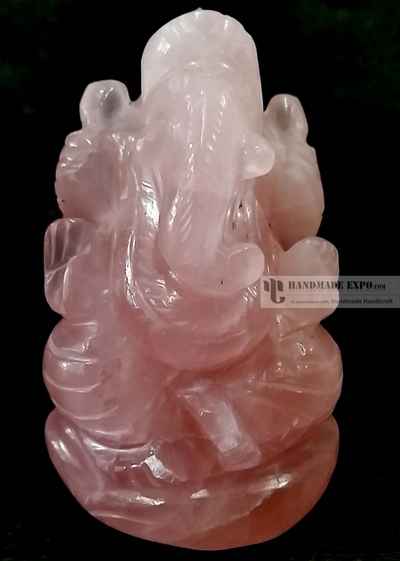
Crystal : Brief Introduction
A crystal or crystalline solid is a solid material whose constituents (such as atoms, molecules, or ions) are arranged in a highly ordered microscopic structure, forming a crystal lattice that extends in all directions.[1][2] In addition, macroscopic single crystals are usually identifiable by their geometrical shape, consisting of flat faces with specific, characteristic orientations. The scientific study of crystals and crystal formation is known as crystallography. The process of crystal formation via mechanisms of crystal growth is called crystallization or solidification.
What is Crystal Healings Crystal healing is a type of alternative therapy that involves using gemstones to bring balance to an individual's life and mind. Crystals are said to "have a stable and unchanging energy pattern, each with a unique frequency and energy field, or resonance" that gives them special properties, explains Judy Hall, in her work, The Little Book of Crystals. As a result, "they act like tuning forks," helping bring "harmony" to the "very unstable energy field of the human body".
The benefits of crystals The proposed healing benefits of crystals predominantly surround areas of mental wellbeing; including feelings of increased tranquility, positivity and focus, as well as enhanced immunity and pain relief.
Individual crystals are also known to have their own special energies that align to different areas of your life, with their shape and colour - as well as their type - affecting their influence.
Read More . . .
The Buddha was born into an aristocratic family in the Shakya clan but eventually renounced lay life. According to Buddhist tradition, after several years of mendicancy, meditation, and asceticism, he awakened to understand the mechanism which keeps people trapped in the cycle of rebirth. The Buddha then traveled throughout the Ganges plain teaching and building a religious community. The Buddha taught a middle way between sensual indulgence and the severe asceticism found in the Indian śramaṇa movement. He taught a training of the mind that included ethical training, self-restraint, and meditative practices such as jhana and mindfulness. The Buddha also critiqued the practices of Brahmin priests, such as animal sacrifice and the caste system.
A couple of centuries after his death he came to be known by the title Buddha, which means "Awakened One" or "Enlightened One". Gautama's teachings were compiled by the Buddhist community in the Vinaya, his codes for monastic practice, and the Suttas, texts based on his discourses. These were passed down in Middle-Indo Aryan dialects through an oral tradition. Later generations composed additional texts, such as systematic treatises known as Abhidharma, biographies of the Buddha, collections of stories about the Buddha's past lives known as Jataka tales, and additional discourses, i.e. the Mahayana sutras.
You may also want to read the related articles :
At Handicraft Seller, we believe in providing a seamless and user-friendly experience to our valued customers. While our website is not an online shopping platform, we have incorporated a shopping cart system to simplify the process of sending us your inquiries. Please follow the steps below to place your order:
Step 1: Browsing the Selection Explore our website to discover a delightful array of authentic Nepali handicraft products. Click on the products you are interested in to view detailed descriptions and images.
Step 2: Adding Items to Your Inquiry Cart To express your interest in a particular product, click the "Add to Inquiry Cart" button associated with that item. The shopping cart will accumulate your selected products, providing a convenient way to organize your choices.
Step 3: Reviewing Your Inquiry Cart Once you have finished selecting the items you wish to inquire about, review your "Inquiry Cart" to ensure accuracy.
Step 4: Sending Your Inquiries Proceed to submit your inquiries by clicking the "Submit Inquiry" button. A form will prompt you to provide your contact details, the selected products, and any specific queries you may have.
Step 5: Communicating through Email As we do not have an automated payment system, we will conduct the business process through email. Our team will review your inquiries and respond via email, offering further assistance and guidance.
Step 6: Clarifying Details and Finalizing Your Order Engage in direct communication with our team to clarify any additional information or customization requests. Once you are satisfied with the details, we will provide you with payment instructions and confirm the order.
Step 7: Completing the Transaction Make the payment through the designated method as provided in the email. After receiving the payment, we will process your order and prepare it for shipment.
Step 8: Shipping and Delivery We offer worldwide shipping for all our products. Once your order is dispatched, we will provide you with shipping details and tracking information.
Step 9: Receiving and Enjoying Your Handicrafts Wait for your exquisite handicrafts to arrive at your doorstep. Unpack and revel in the beauty and craftsmanship of your chosen Nepali treasures.
Contacting Us If you encounter any complications while submitting your inquiries or need further assistance, please feel free to contact us. Preferably, reach out to us through WhatsApp or email for prompt responses and support.
We hope this straightforward ordering process ensures a delightful and satisfying experience with Handicraft Seller. Thank you for choosing us to connect you with the rich heritage of Nepali handicrafts.
Return Policy
We have a 7 days money back policy but buyer have to pay the return shipping charges.
Shipping
Shipping cost is calculated, based on the shipping weight of the products ordered. THe normal Shipping cost is US$25 for upto 0.5 kgs weight
We ship Worldwide, Except Russia and India.
The deliver duration varies for international Shipping location. We normally dispatch the product in 2 -3 business days. Else Buyer will be infromed Personally about the shipping.
This is not a direct shopping website. So no payments are needed for placing an order. Please feel free to send us an order for the product you are interested in, mentioning the approximate quantity. Based on which we will send you a wholesale price quotation.