Product Categories
Metal Statues
Thangka & Wall Decor
Sound & Spirituality
Buddhist Ritual Object
![Buddhist Miniature Statue Of Ganesh [red Jambhala], [ganesha]](https://www.handmadeexpo.com/pics/product/26849.jpg)

![Buddhist Miniature Statue Of Ganesh [red Jambhala], [ganesha]](https://www.handmadeexpo.com/pics/product/thumb/26849.jpg)
![Buddhist Miniature Statue Of Ganesh [red Jambhala], [ganesha]](https://www.handmadeexpo.com/pics/product/thumb/26849_0.jpg)
![Buddhist Miniature Statue Of Ganesh [red Jambhala], [ganesha]](https://www.handmadeexpo.com/pics/product/thumb/26849_1.jpg)
![Buddhist Miniature Statue Of Ganesh [red Jambhala], [ganesha]](https://www.handmadeexpo.com/pics/product/thumb/26849_2.jpg)
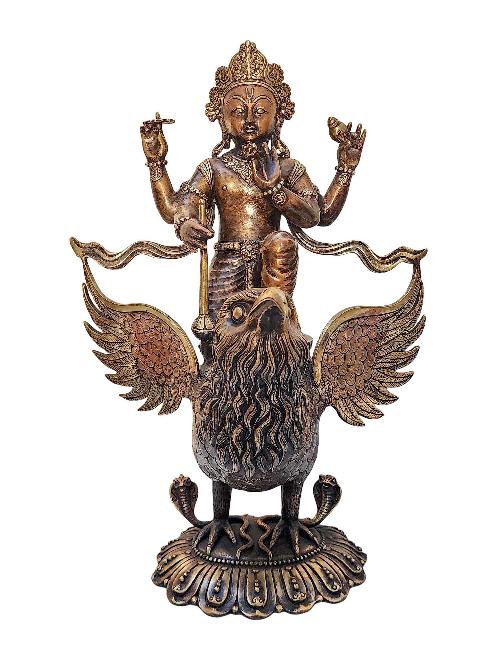
Buddhist Miniature Statue of Ganesh Red Jambhala, Ganesha
Gyalten Sogdzin Rinpoche said that Jambhala is the protector of all Lineages and of all sentient beings from all sickness and difficulties. Jambhala is a Bodhisattva of material and spiritual wealth as well as many other things, especially of granting financial stability.
?Because in this world, there are all kinds of wrathful and negative emotions or bad spirits, and sometimes they will harm you and other sentient beings, Dzambhala must take on such a wrathful and powerful form to protect us from these harmful spirits and negative karma. Especially, Dzambhala helps us minimize or decrease all misfortunes and obstacles and helps us increase all good fortune and happiness.?
Gyalten Sogdzin Rinpoche said that Jambhala is the protector of all Lineages and of all sentient beings from all sickness and difficulties. Jambhala is a Bodhisattva of material and spiritual wealth as well as many other things, especially of granting financial stability.
?Because in this world, there are all kinds of wrathful and negative emotions or bad spirits, and sometimes they will harm you and other sentient beings, Dzambhala must take on such a wrathful and powerful form to protect us from these harmful spirits and negative karma. Especially, Dzambhala helps us minimize or decrease all misfortunes and obstacles and helps us increase all good fortune and happiness.?
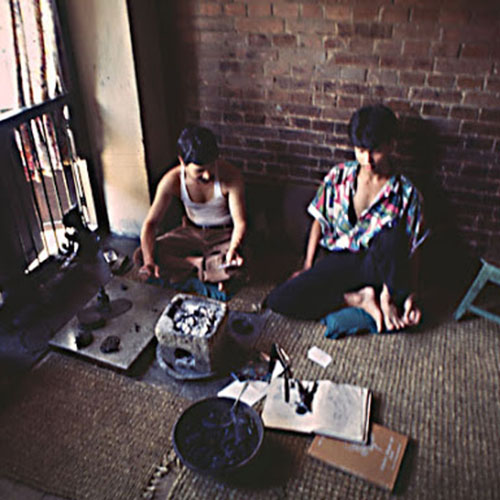
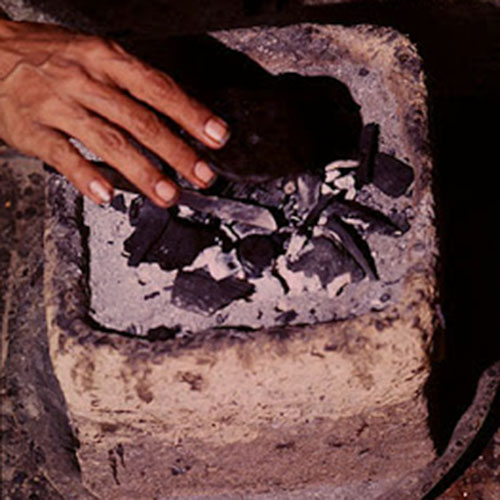
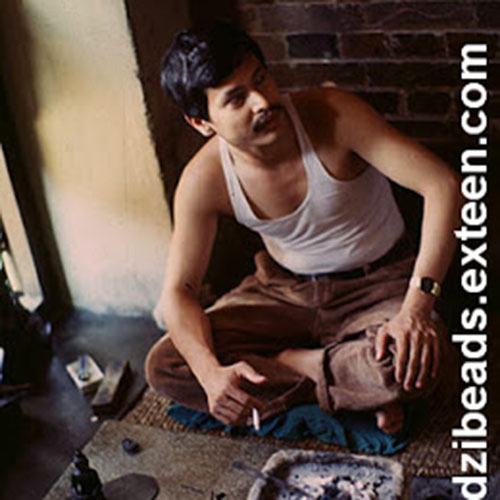
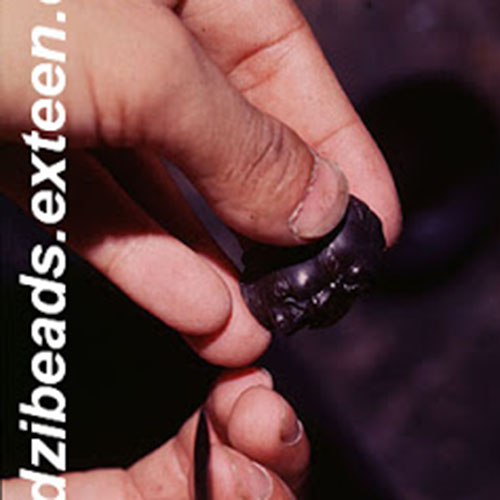
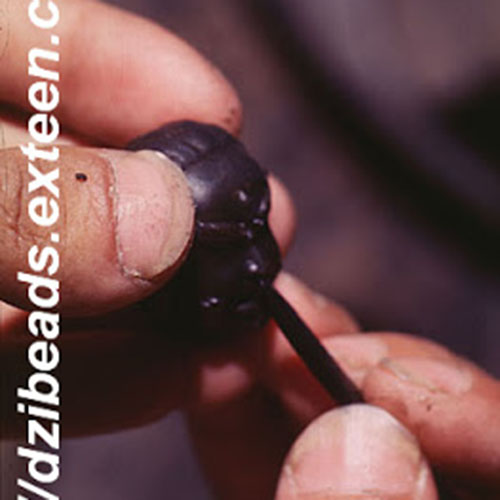
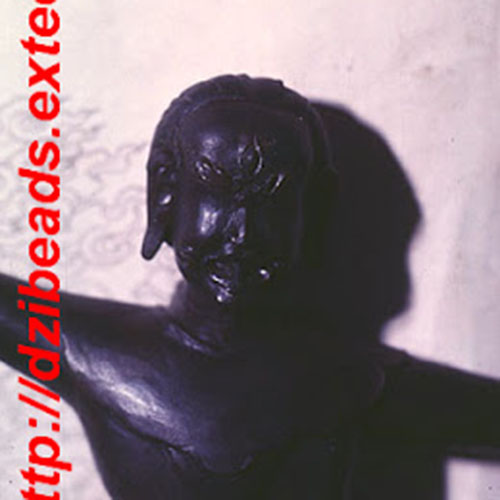
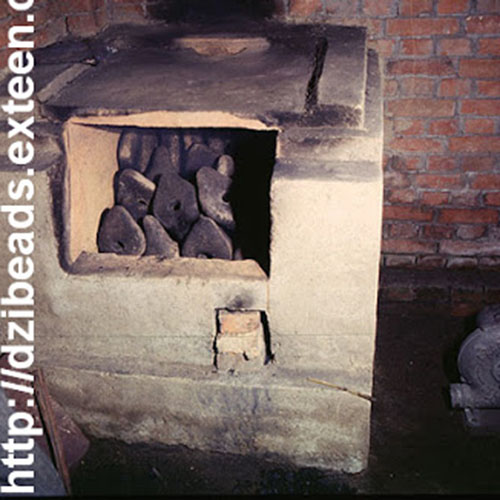
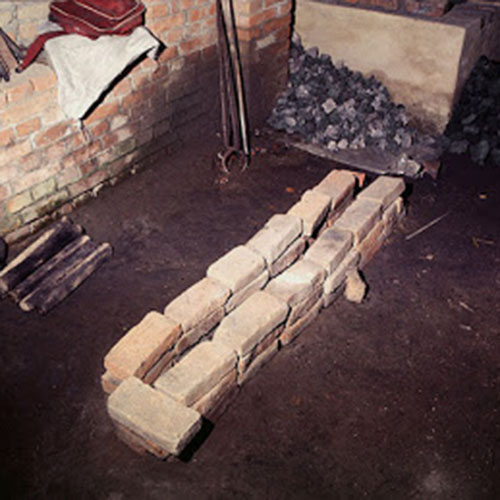
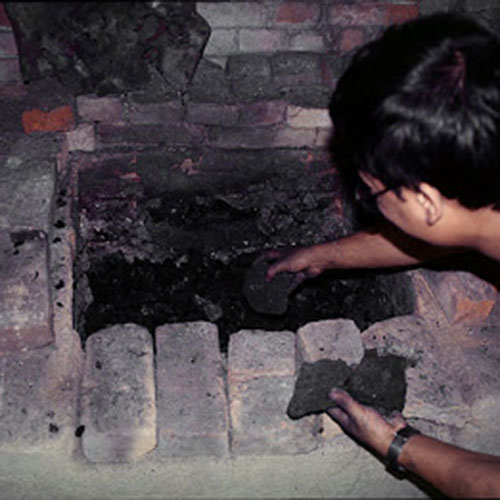
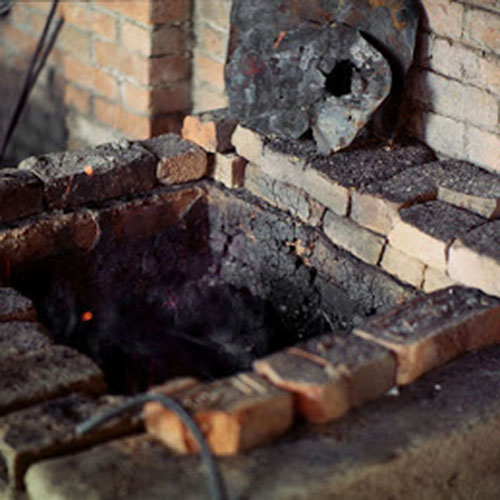
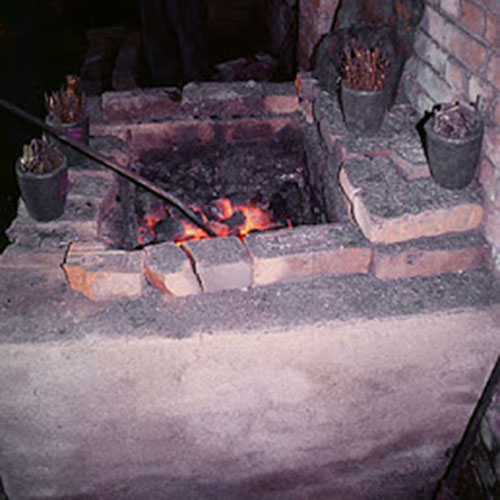
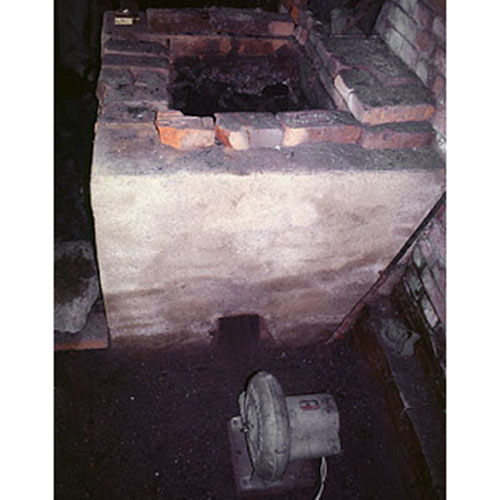
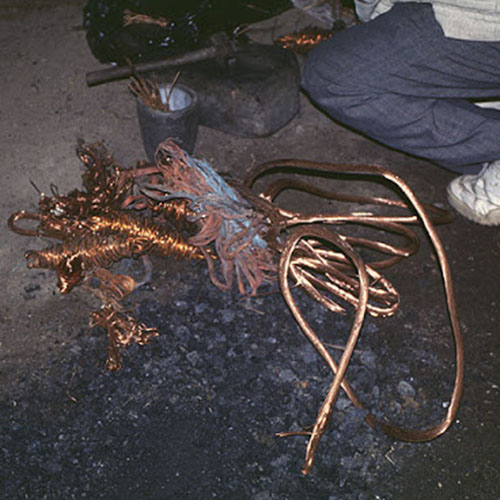
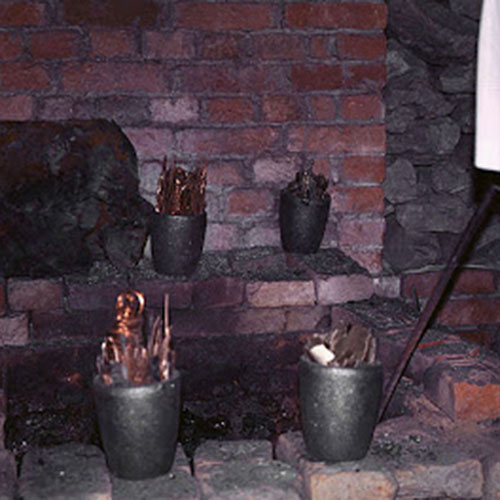
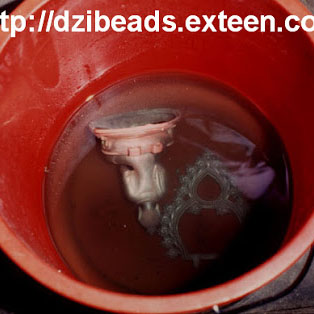
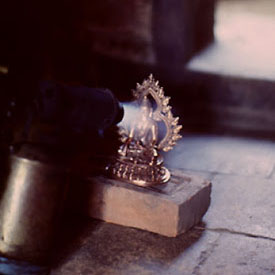
This Others of Red Jambhala is made by the process of the Lost Wax system. This is a very complicated, time consuming and historic process of making metal sculptures.Which is why it is sometimes called Precision Casting as well. Hence the sculptures made by this process are comparatively expensive. There are many new, advanced and less time consuming methods of casting metal sculptures available as well. But due to the benefits provided by the traditional lost wax system in quality control and customization, we prefer the Loss wax system over Ceramic molding, or sand casting to make our Others.
Below we have tried to illustrate the process of making a loss wax system statue: Read More . . .
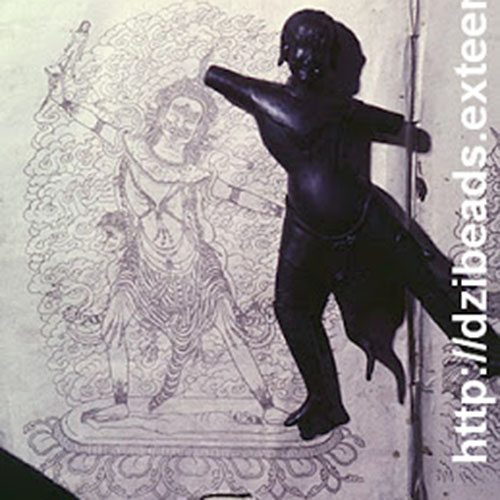
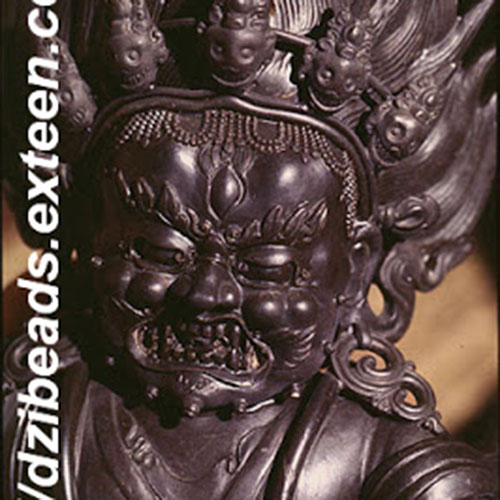
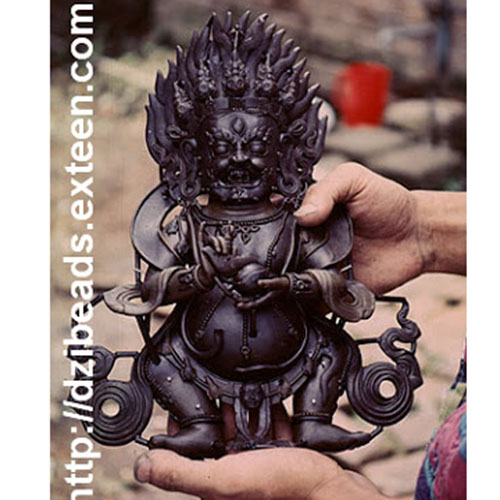
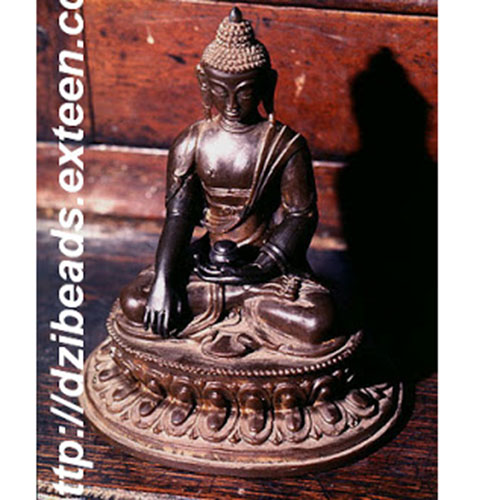
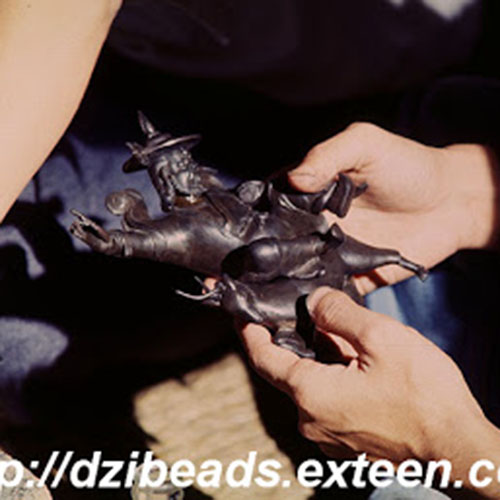
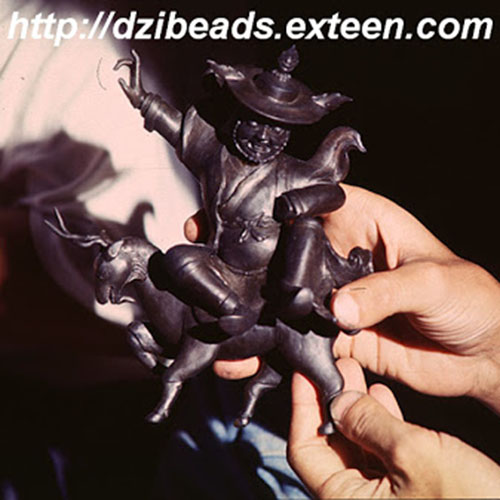
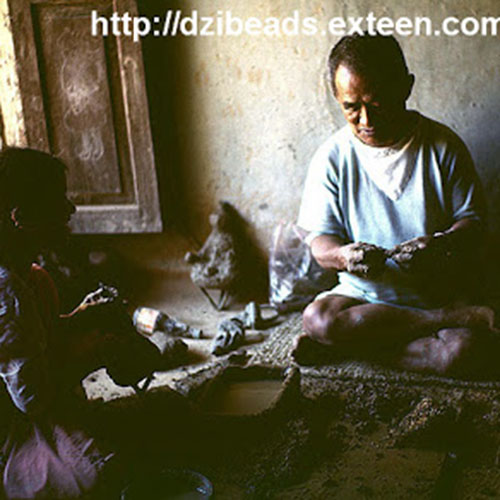
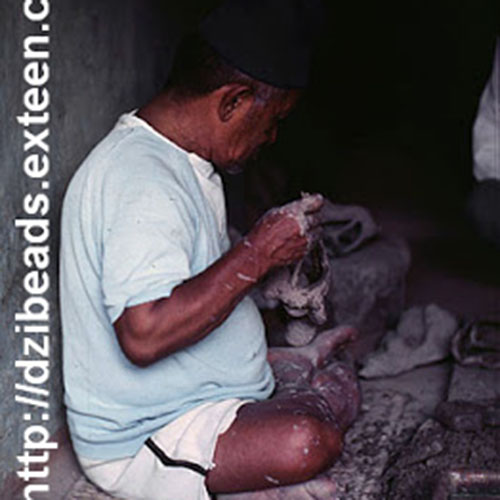
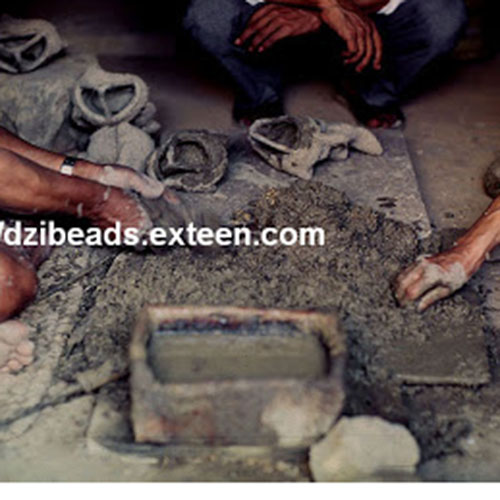
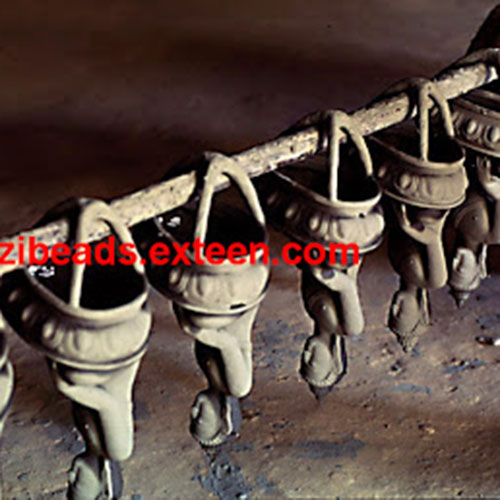
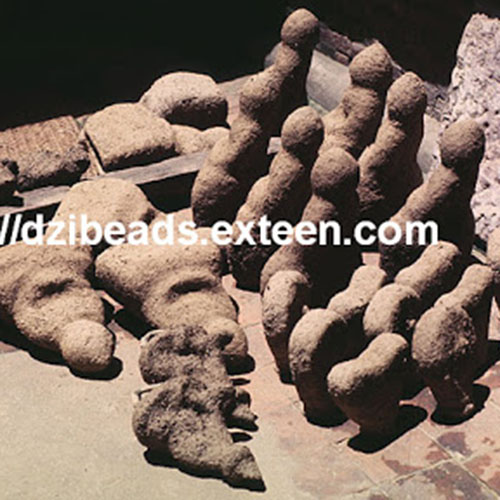
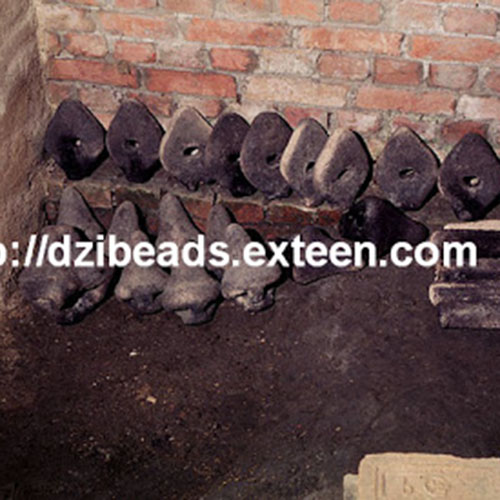
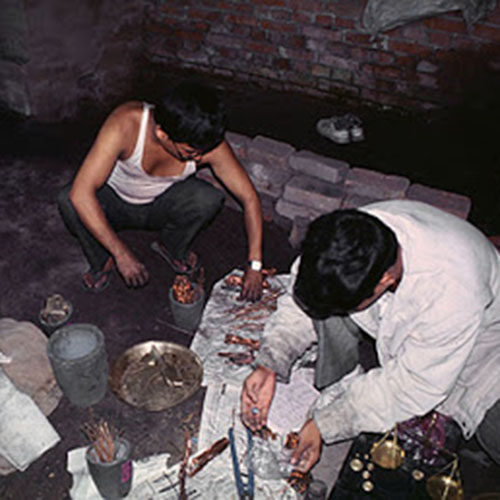
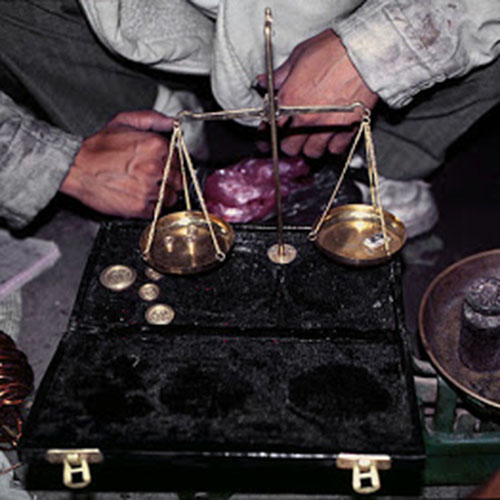
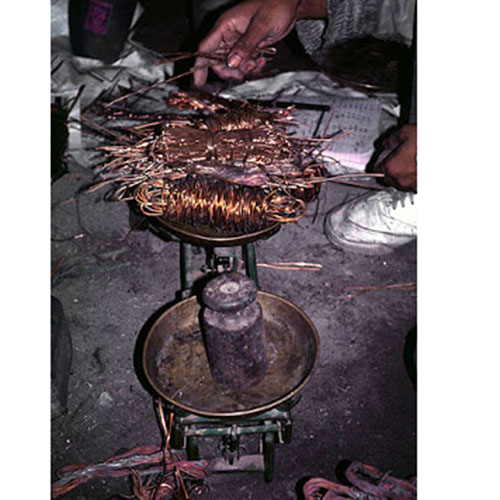
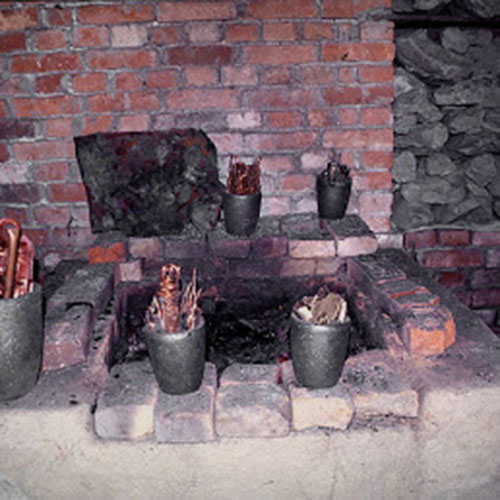
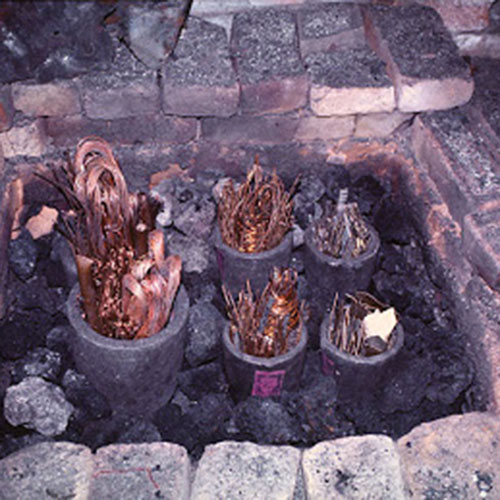
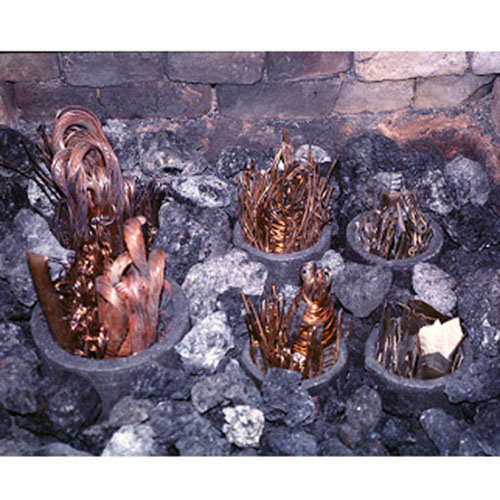
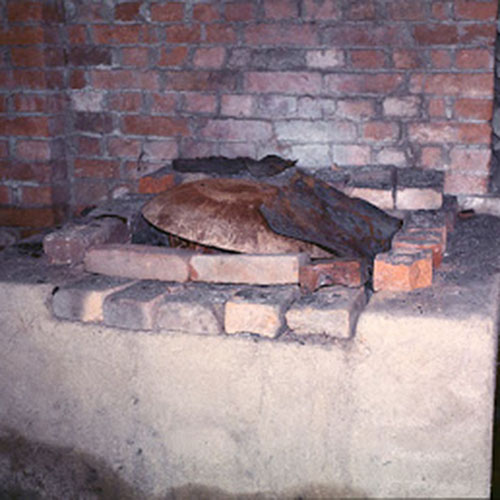
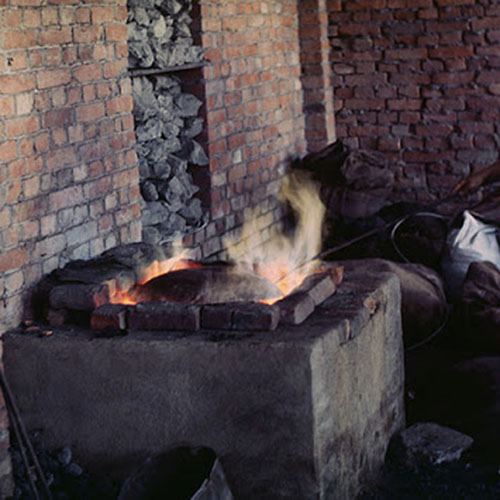
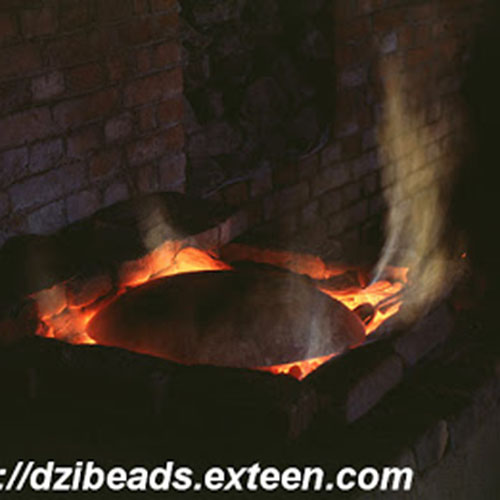
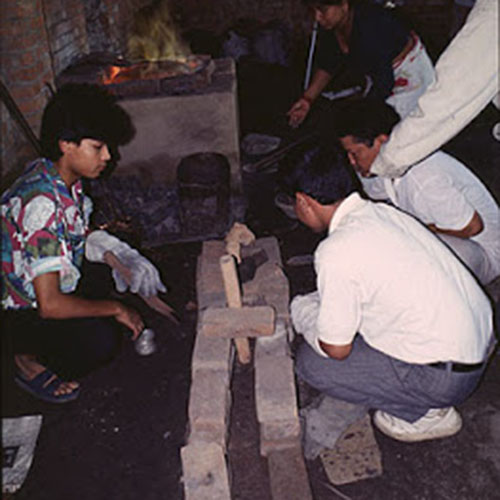
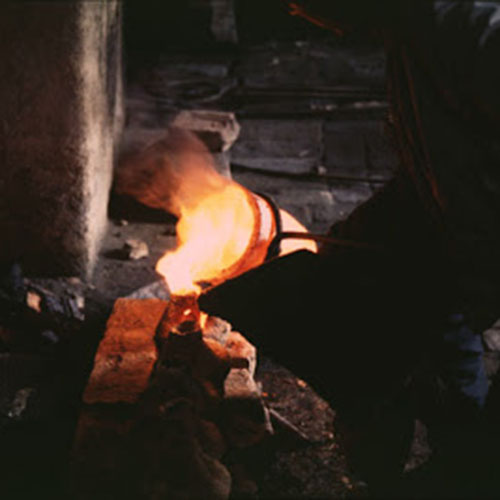
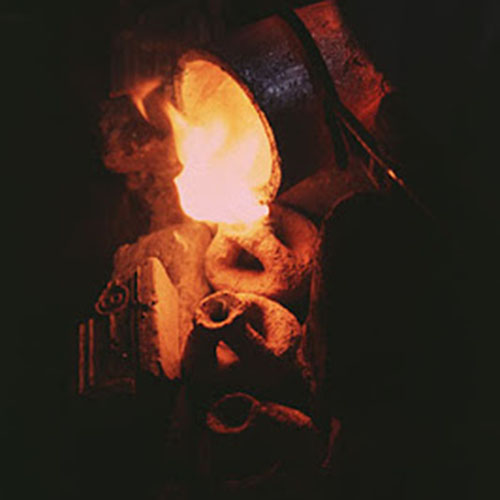
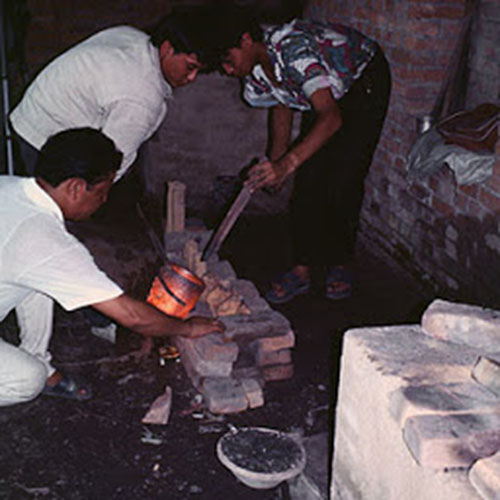
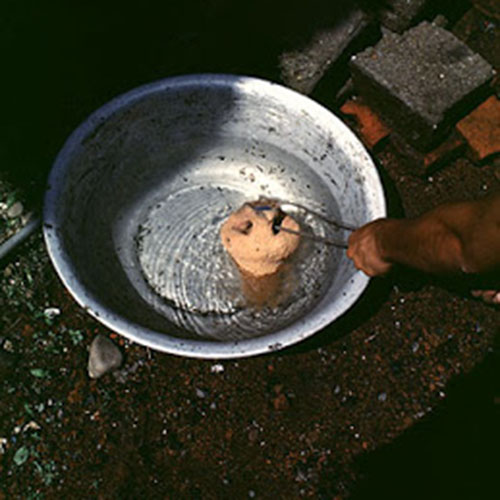
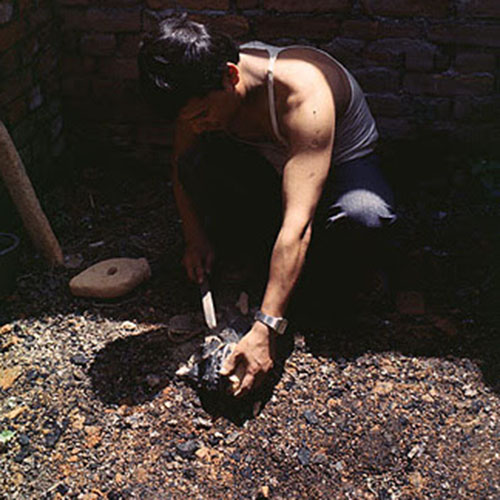
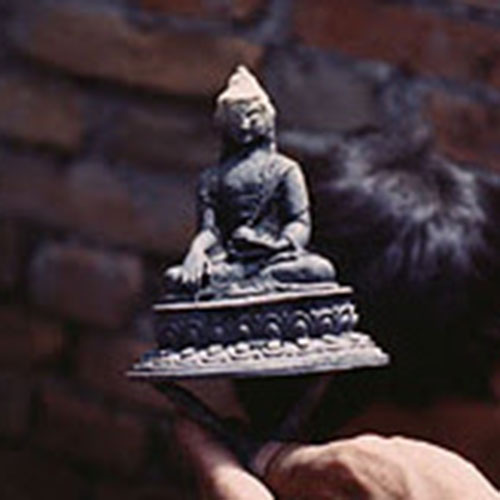
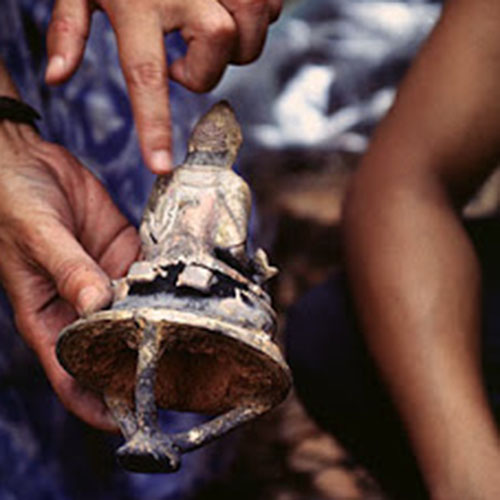
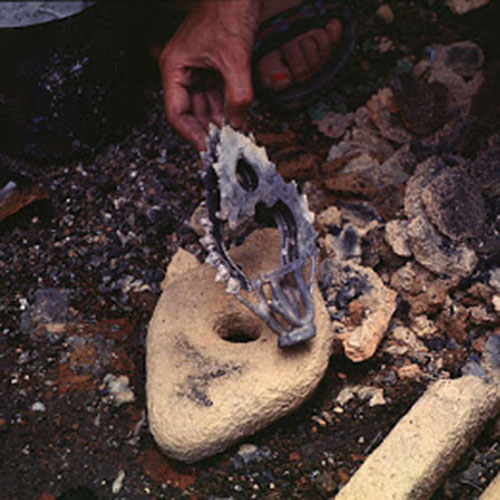
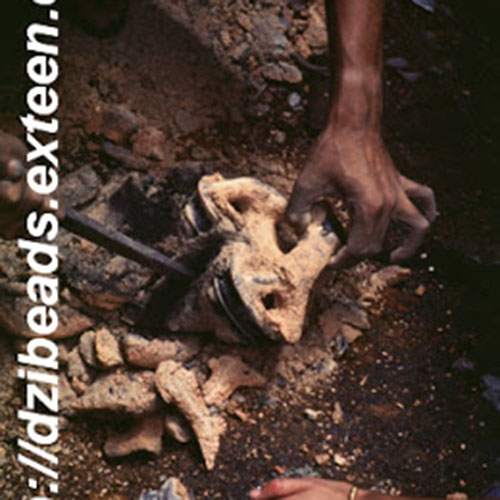
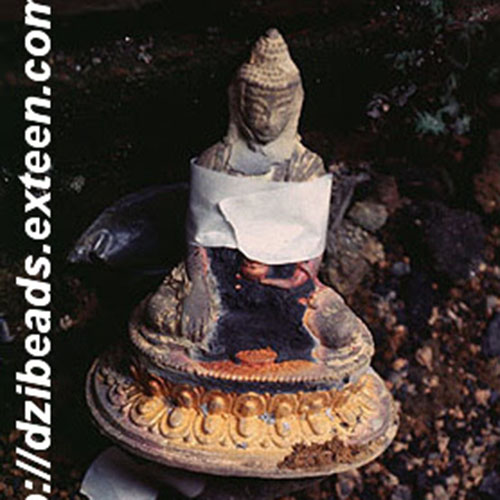
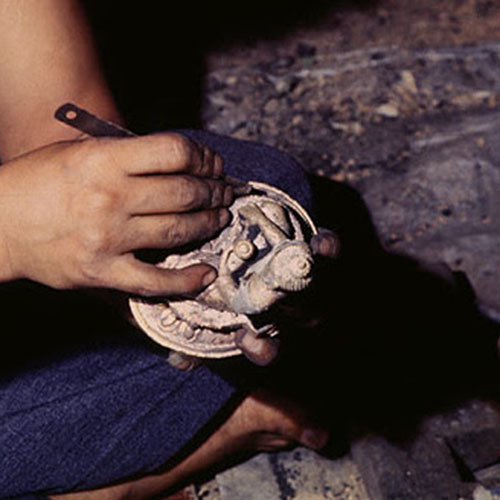
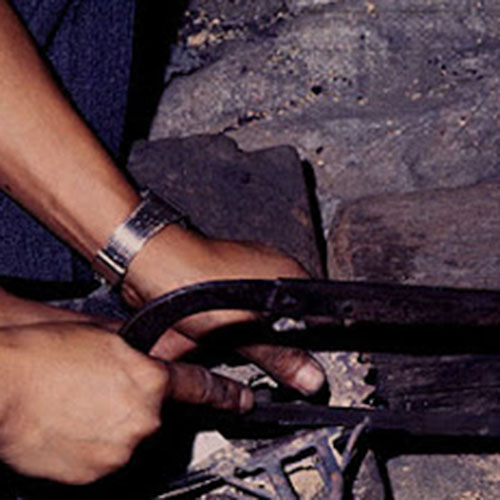
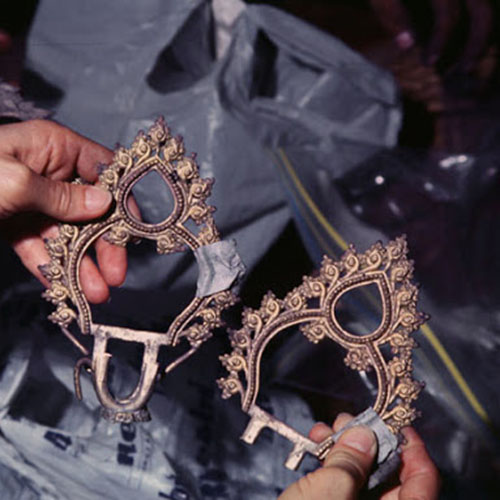
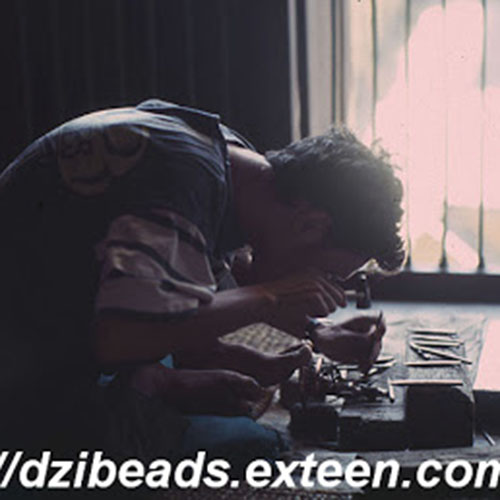
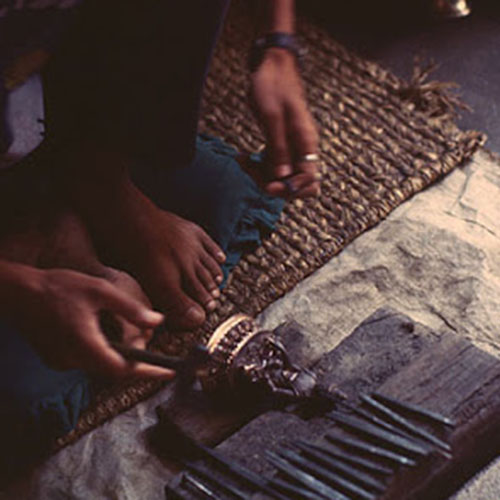
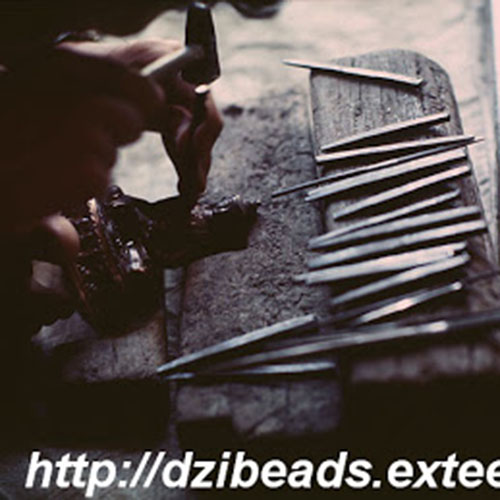
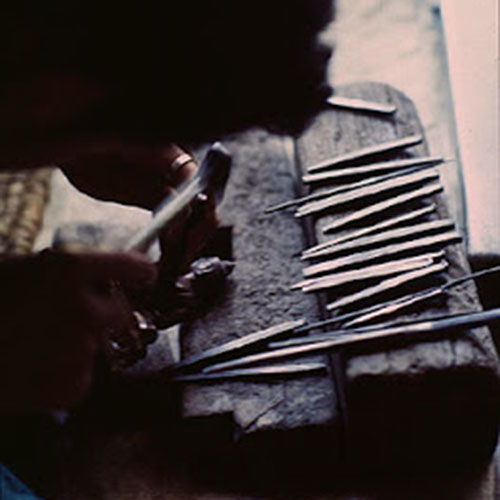

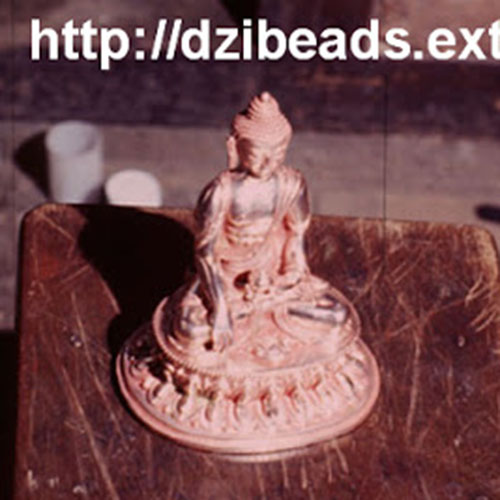
The Red Jambhala features a captivating combination of partly silver plating and dark oxidation. This unique finishing technique combines the lustrous shine of silver with the rich, deep tones achieved through oxidation. In the process of creating this finish, selected areas of the Red Jambhala are expertly silver-plated, creating a radiant and reflective surface that catches the light. The remaining areas are intentionally oxidized, resulting in a darkened patina that adds depth and character to the piece. Read More . . .
Red Jambhala is the manifisation of Vajrasattva. He has two faces and four arms and holds a treasury mongoose on his left hand. His Tibetan name is Dzambhala Mapo. Red Jambhala has a red colored body, sits in the vajra position with Dakini in front of him. His right leg is panhandle with right foot is above a snail and lotus flower, his left leg is bent. He is holding an animal known as Nehulay (mongoose) in his left hand, his right hand holding Khorlo (Cakra), the Dakini holding Kapala containing Nectar in her left hand and Norbu Mebar in her right hand. The Mantra of Red Jambhala is:
 |
| Ganapati, Maha Rakta |
Om Jambhala Jalendraye Dhanam Medehi Hrih Dakini Jambhala Sambhara Svaha
Some people believe he is the Hindu God of Wealth Ganesha, the Red Ganapati, and has the head of an elephant. After the rise of Tantric Buddhism, Ganesha became a Tantric wealth deity and is known as the "Lord of Provisions in Tibetan Tantrism". According to legend, Red Jambhala was in charge of the heavenly treasury that belonged to Lord Mahesvara?s son. Due to his extreme compassion, Red Jambhala had unfailingly answered the prayers of many worshippers. Enraged by Red Jambhala?s indiscriminate charity to both the good and evil, Dharma guardian Mahakala decapitated him. It was only after the wealth deity repents that Mahakala plants an elephant?s head on his neck and receives him as a retainer.
Matra of Red Jambala
You may also want to read the related articles :
At Handicraft Seller, we believe in providing a seamless and user-friendly experience to our valued customers. While our website is not an online shopping platform, we have incorporated a shopping cart system to simplify the process of sending us your inquiries. Please follow the steps below to place your order:
Step 1: Browsing the Selection
Explore our website to discover a delightful array of authentic Nepali handicraft products.
Click on the products you are interested in to view detailed descriptions and images.
Step 2: Adding Items to Your Inquiry Cart
To express your interest in a particular product, click the "Add to Inquiry Cart" button associated with that item.
The shopping cart will accumulate your selected products, providing a convenient way to organize your choices.
Step 3: Reviewing Your Inquiry Cart
Once you have finished selecting the items you wish to inquire about, review your "Inquiry Cart" to ensure accuracy.
Step 4: Sending Your Inquiries
Proceed to submit your inquiries by clicking the "Submit Inquiry" button.
A form will prompt you to provide your contact details, the selected products, and any specific queries you may have.
Step 5: Communicating through Email
As we do not have an automated payment system, we will conduct the business process through email.
Our team will review your inquiries and respond via email, offering further assistance and guidance.
Step 6: Clarifying Details and Finalizing Your Order
Engage in direct communication with our team to clarify any additional information or customization requests.
Once you are satisfied with the details, we will provide you with payment instructions and confirm the order.
Step 7: Completing the Transaction
Make the payment through the designated method as provided in the email.
After receiving the payment, we will process your order and prepare it for shipment.
Step 8: Shipping and Delivery
We offer worldwide shipping for all our products.
Once your order is dispatched, we will provide you with shipping details and tracking information.
Step 9: Receiving and Enjoying Your Handicrafts
Wait for your exquisite handicrafts to arrive at your doorstep.
Unpack and revel in the beauty and craftsmanship of your chosen Nepali treasures.
Contacting Us
If you encounter any complications while submitting your inquiries or need further assistance, please feel free to contact us.
Preferably, reach out to us through WhatsApp or email for prompt responses and support.
We hope this straightforward ordering process ensures a delightful and satisfying experience with Handicraft Seller. Thank you for choosing us to connect you with the rich heritage of Nepali handicrafts.
Return Policy
We have a 7 days money back policy but buyer have to pay the return shipping charges.
Shipping
- Shipping cost is calculated, based on the shipping weight of the products ordered. THe normal Shipping cost is US$25 for upto 0.5 kgs weight
- We ship Worldwide, Except Russia and India.
- The deliver duration varies for international Shipping location. We normally dispatch the product in 2 -3 business days. Else Buyer will be infromed Personally about the shipping.
Related Products
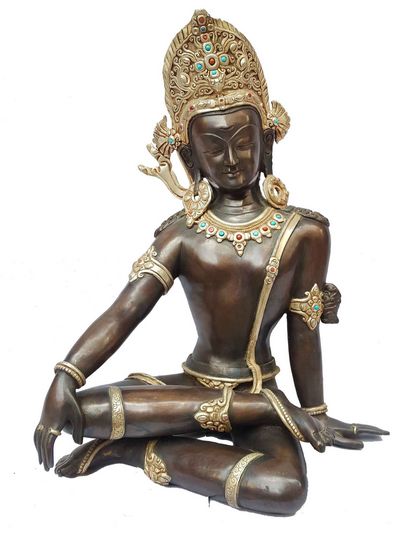
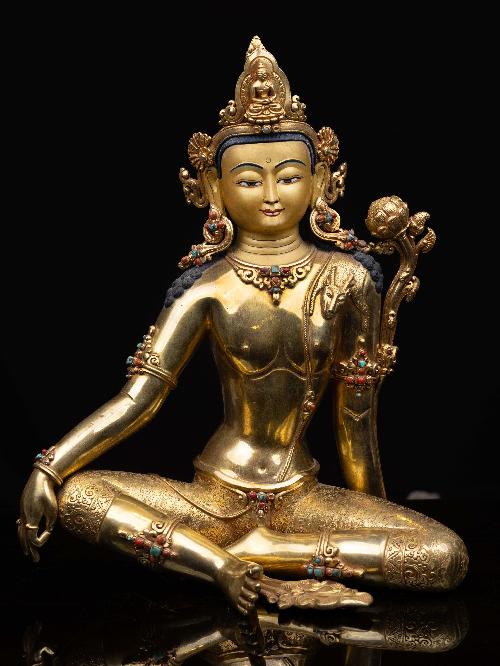
41cm Indra Buddhist Handmade Statue Full Gold Plated Face Painted High Quality
Weight : 6.79kg | [34711]
USD 7056
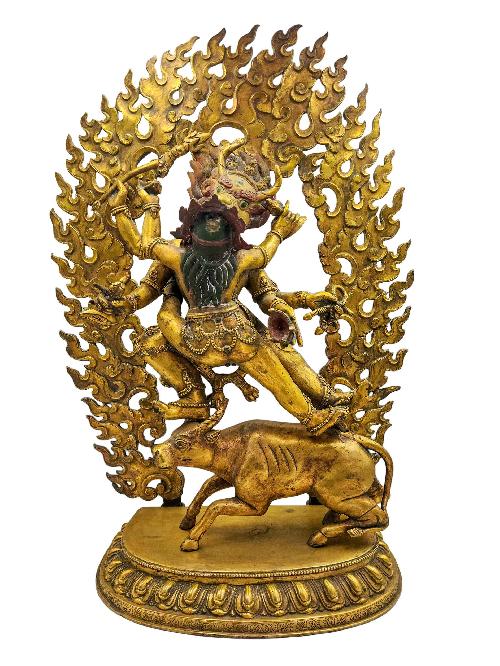
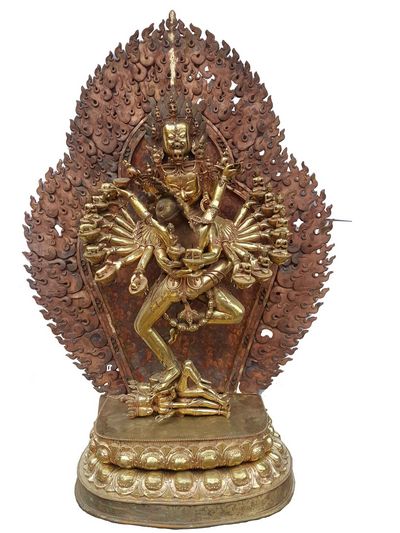
54cm Yamantaka Buddhist Handmade Statue Face Painted And Gold Plated
Weight : 11.1kg | [32891]
USD 3600
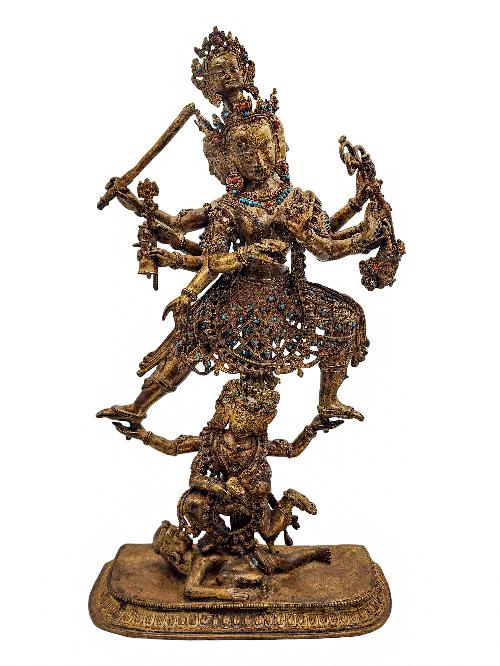
47cm Siddhi Lakshmi Master Quality Buddhist Handmade Statue Antique Finishing
Weight : 7.68kg | [32896]
USD 3675
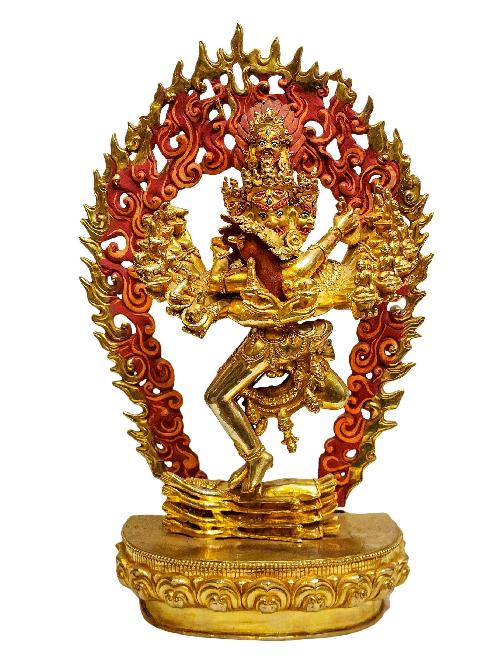
33cm Hevajra Buddhist Handmade Statue Full Gold Plated Painted Face High Quality
Weight : 4.72kg | [33052]
USD 2250