Product Categories
Metal Statues
Thangka & Wall Decor
Sound & Spirituality
Buddhist Ritual Object
![Garudasia, [full Silver Plated]](https://www.handmadeexpo.com/pics/product/11244.jpg)

![Garudasia, [full Silver Plated]](https://www.handmadeexpo.com/pics/product/thumb/11244.jpg)
![Garudasia, [full Silver Plated]](https://www.handmadeexpo.com/pics/product/thumb/11244_0.jpg)
![Garudasia, [full Silver Plated]](https://www.handmadeexpo.com/pics/product/thumb/11244_1.jpg)
![Garudasia, [full Silver Plated]](https://www.handmadeexpo.com/pics/product/thumb/11244_2.jpg)
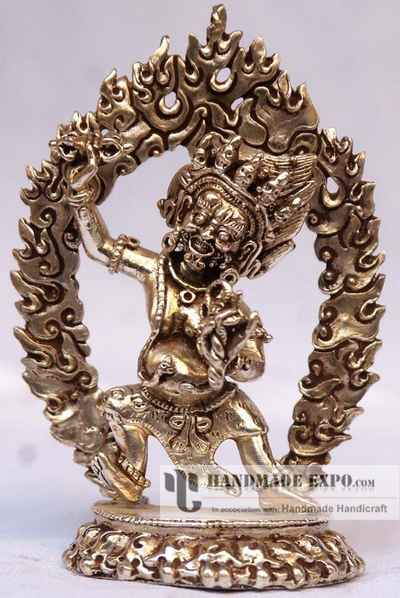
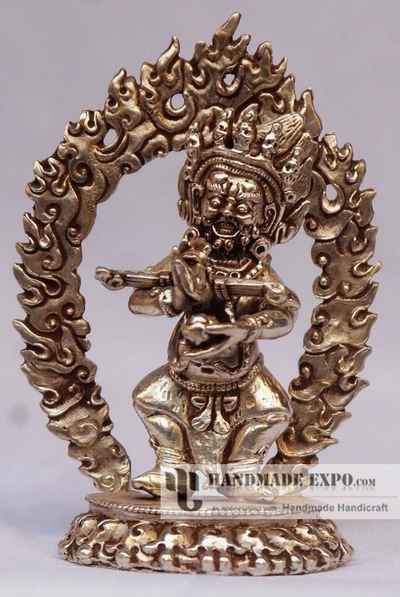
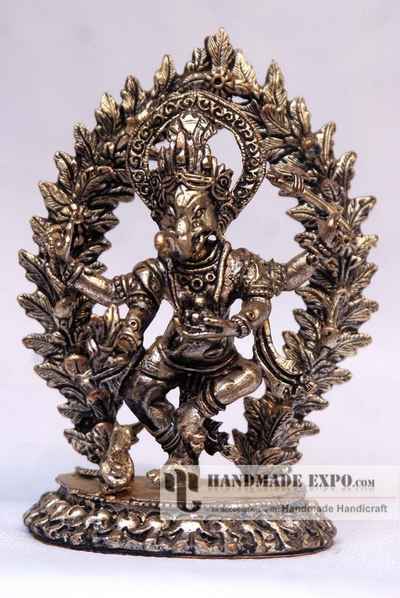
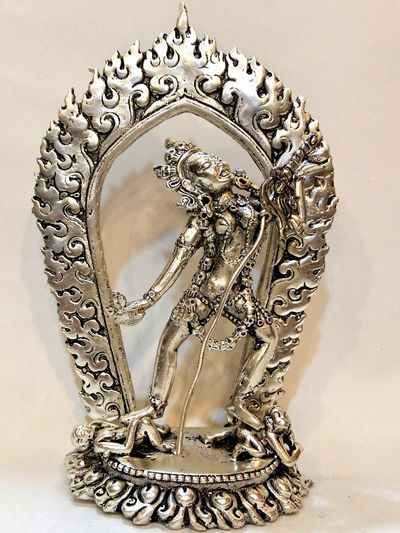
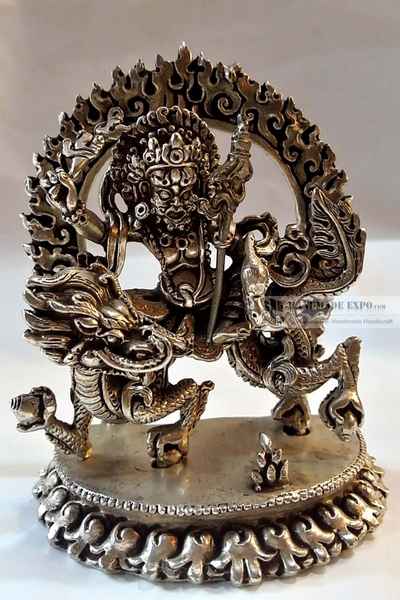
Garudasia, Full Silver Plated
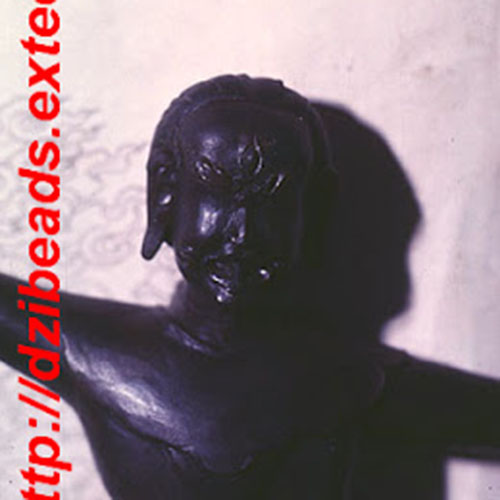
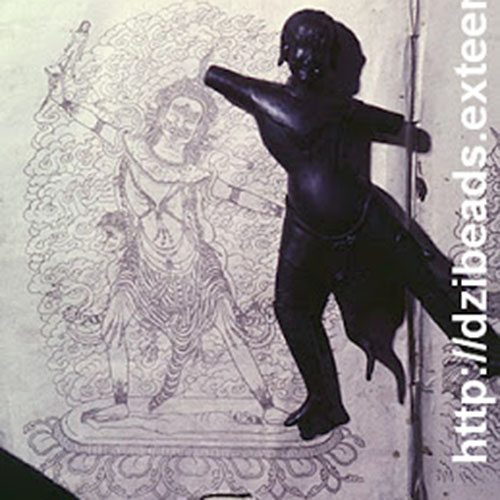
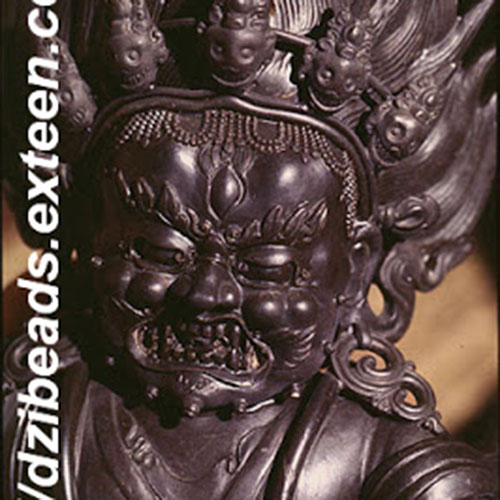
Garuda is the name for the constellation Aquila and the Brahminy kite is considered to be the contemporary representation of Garuda. In Buddhist mythology, the Garuda are enormous predatory birds with intelligence and social organization. Another name for the Garuda is supara meaning "well-winged, having good wings". Like the naga, they combine the characteristics of animals and divine beings and may be considered among the lowest devas.
Garuda is the name for the constellation Aquila and the Brahminy kite is considered to be the contemporary representation of Garuda. In Buddhist mythology, the Garuda are enormous predatory birds with intelligence and social organization. Another name for the Garuda is supara meaning "well-winged, having good wings". Like the naga, they combine the characteristics of animals and divine beings and may be considered among the lowest devas.
The garuda has a full Silver plated finish, Sliver plating process involves the application of a thin layer of genuine silver onto the surface of the garuda, creating a stunning and lustrous appearance. Skilled artisans handle the silver plating, ensuring even coverage and a flawless finish. The silver plating adds a touch of elegance and sophistication to the garuda, enhancing its overall aesthetic appeal. Read More . . .
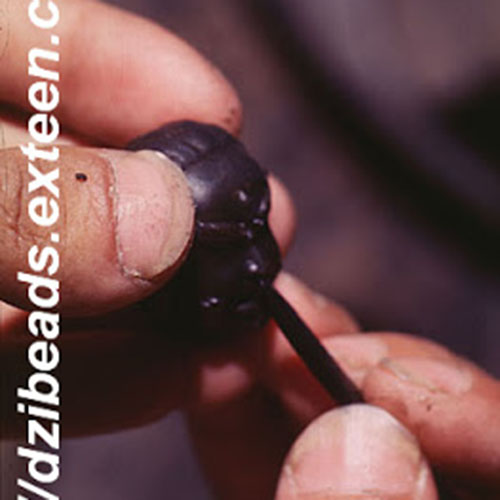
This Silver Plated Statue of garuda is made by the process of the Lost Wax system. This is a very complicated, time consuming and historic process of making metal sculptures.Which is why it is sometimes called Precision Casting as well. Hence the sculptures made by this process are comparatively expensive. There are many new, advanced and less time consuming methods of casting metal sculptures available as well. But due to the benefits provided by the traditional lost wax system in quality control and customization, we prefer the Loss wax system over Ceramic molding, or sand casting to make our Silver Plated Statue.
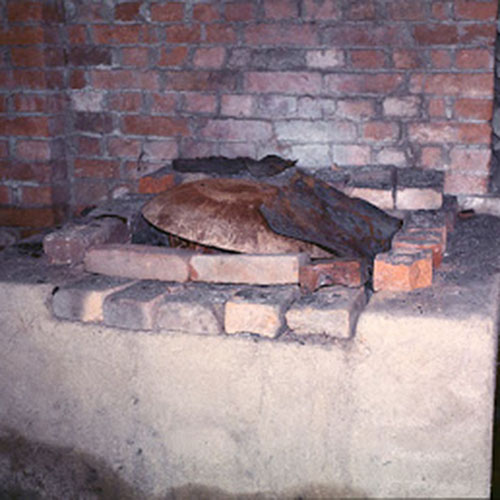
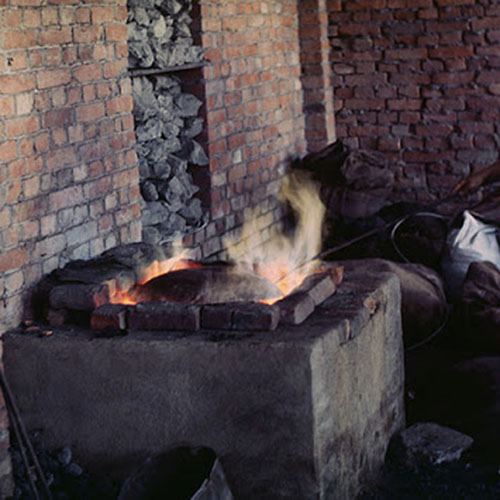
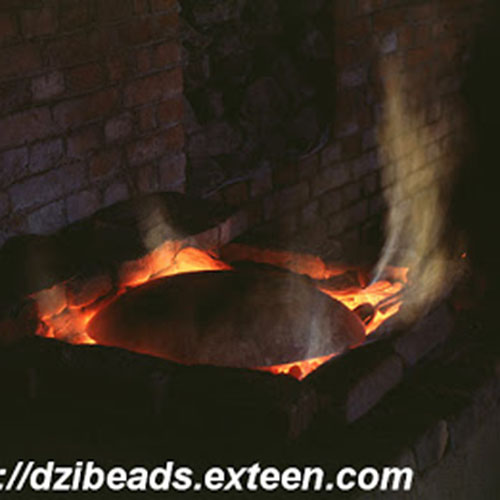
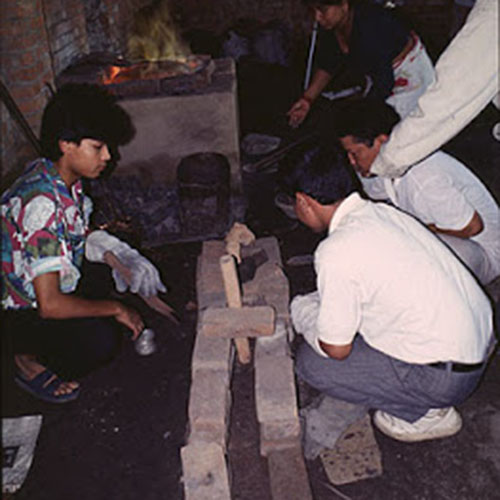
Below we have tried to illustrate the process of making a loss wax system statue: Read More . . .
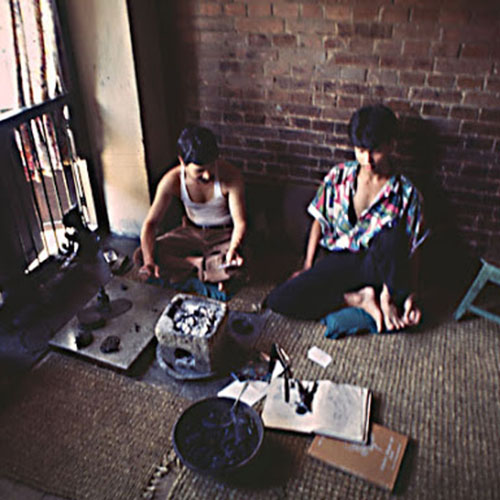
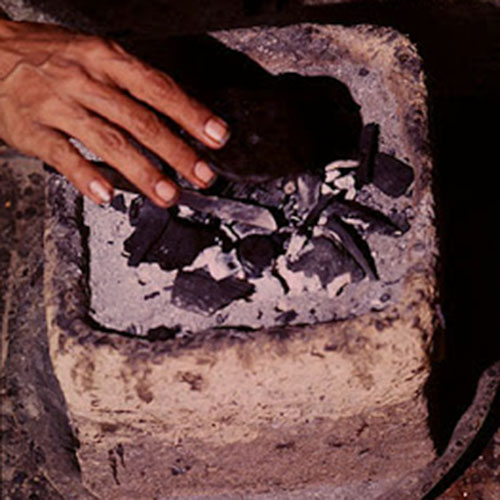
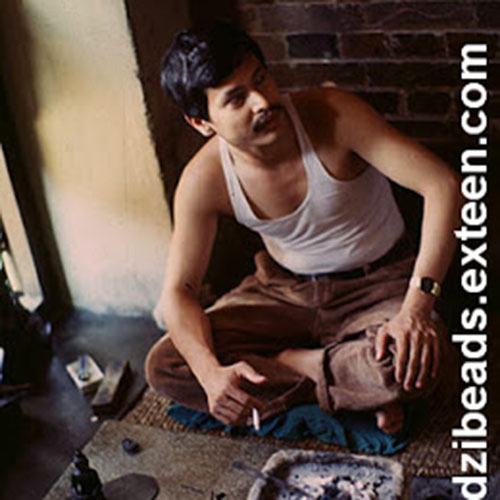
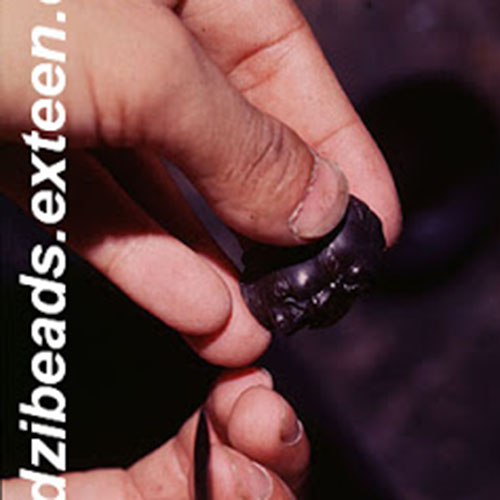
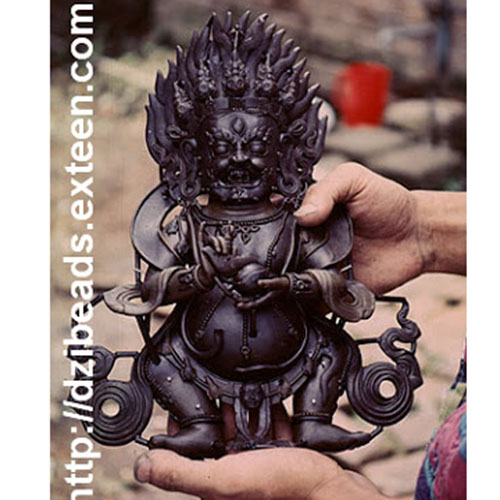
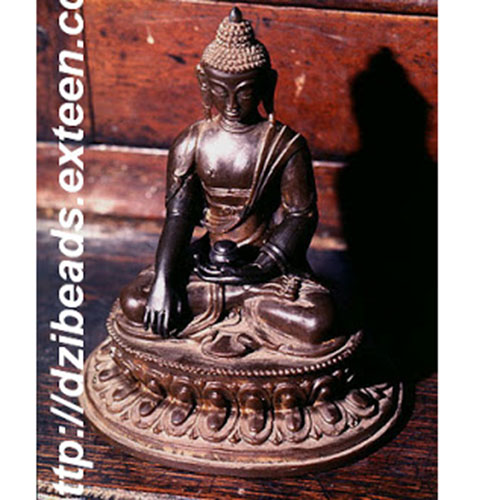
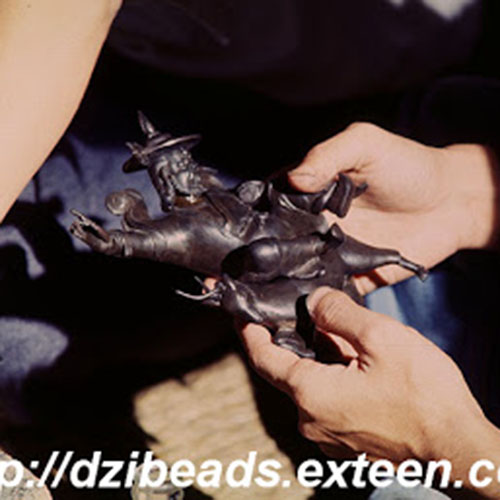
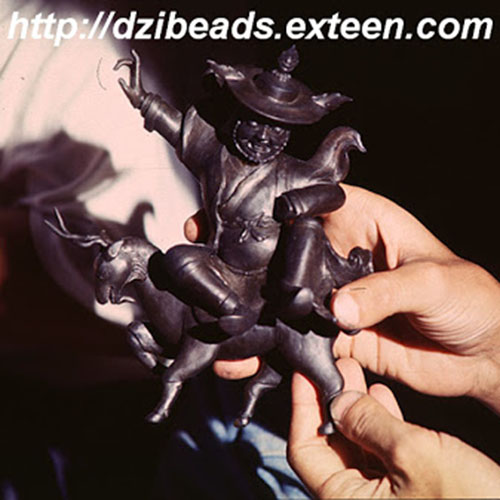
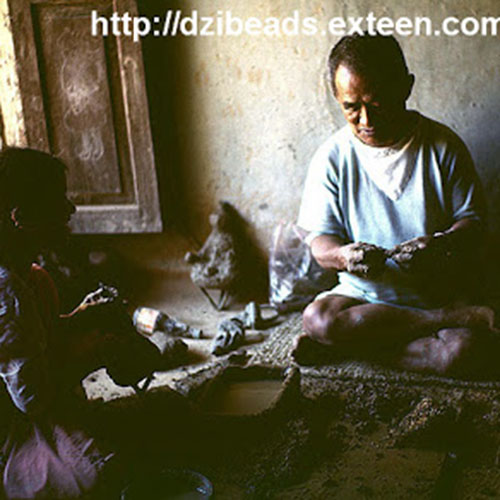
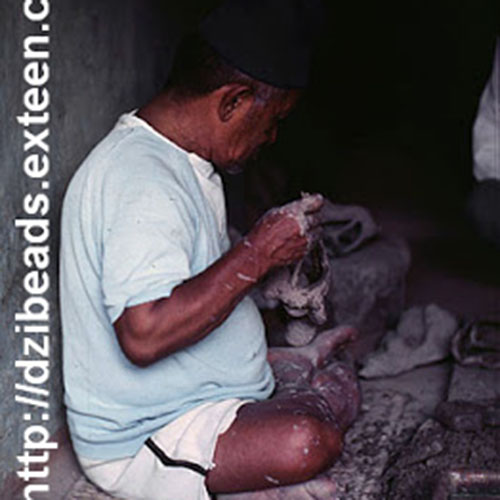
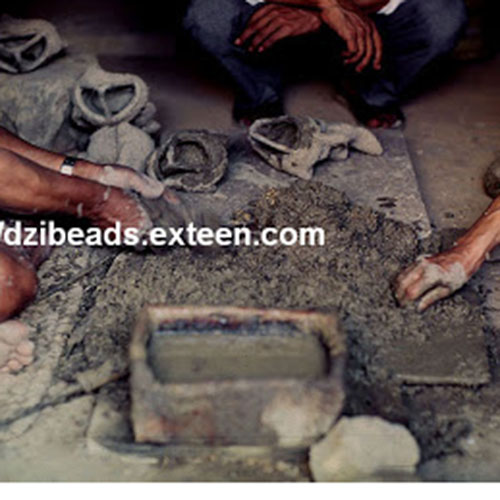
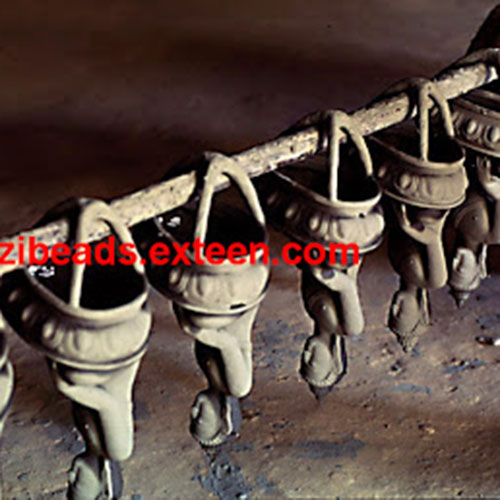
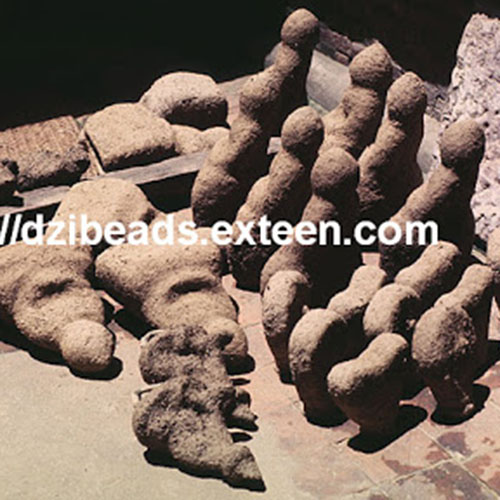
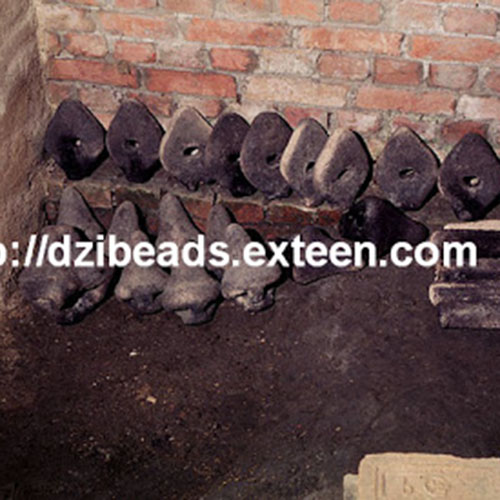
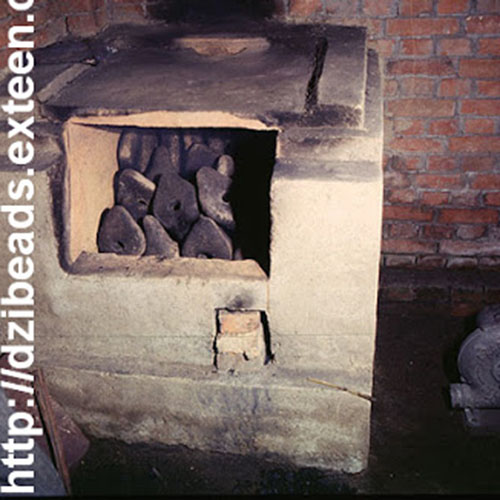
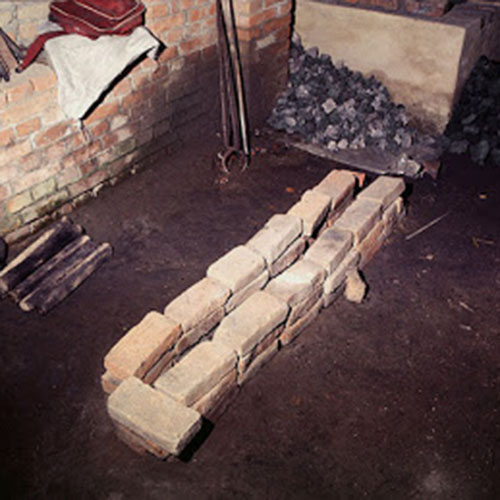
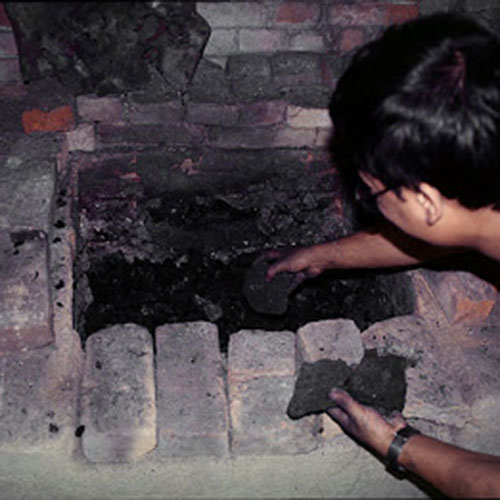
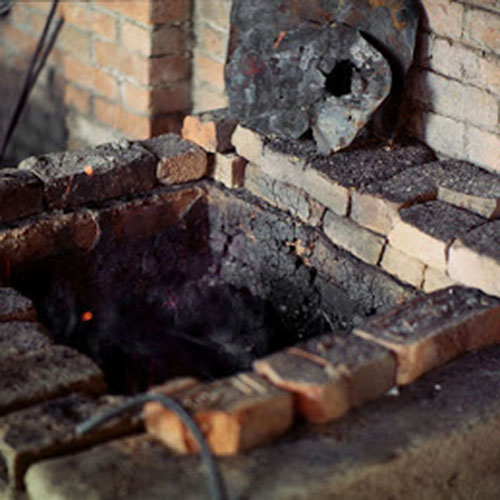
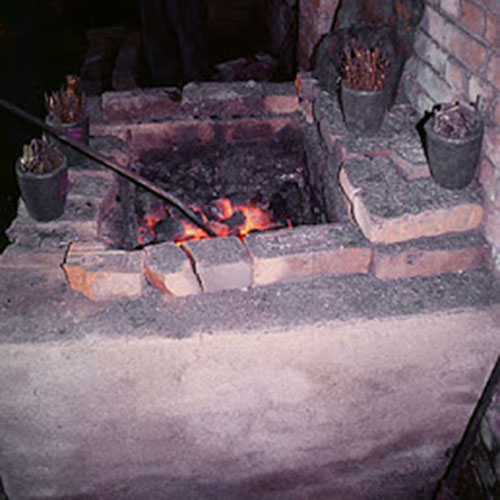
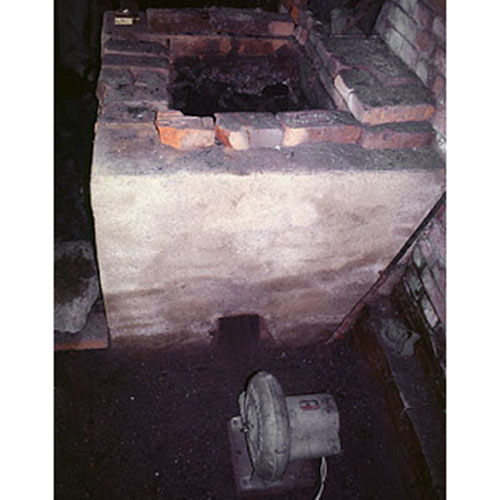
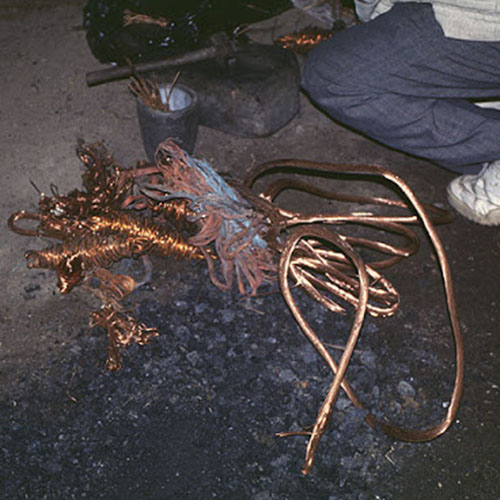
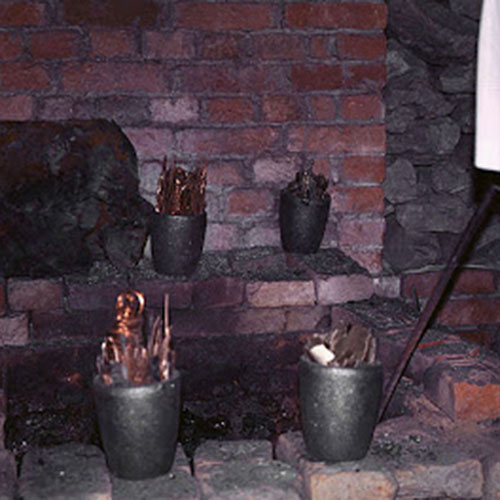
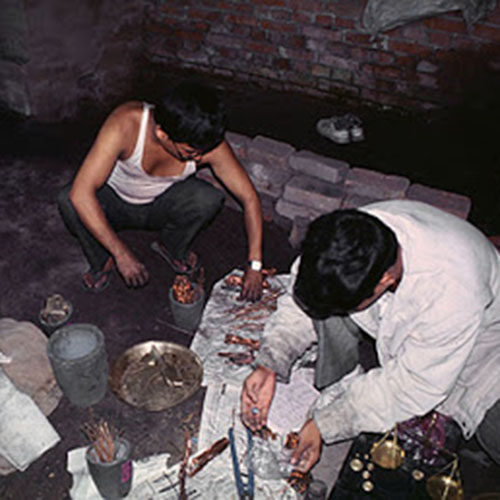
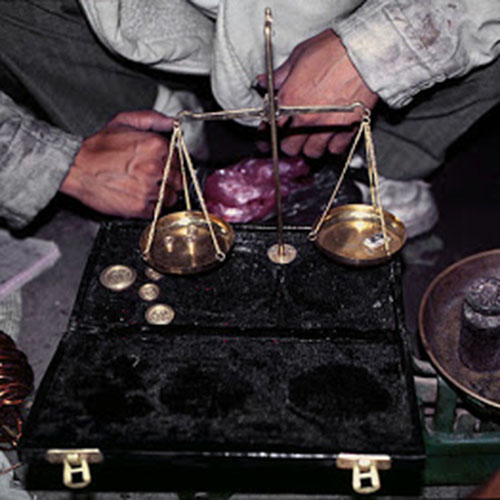
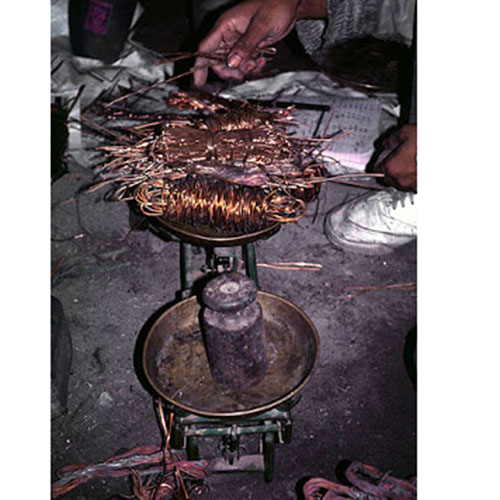
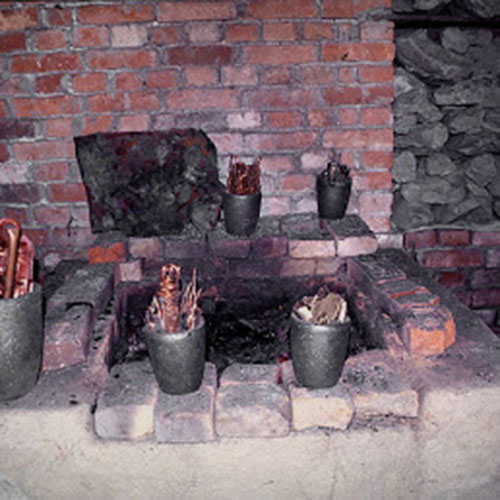
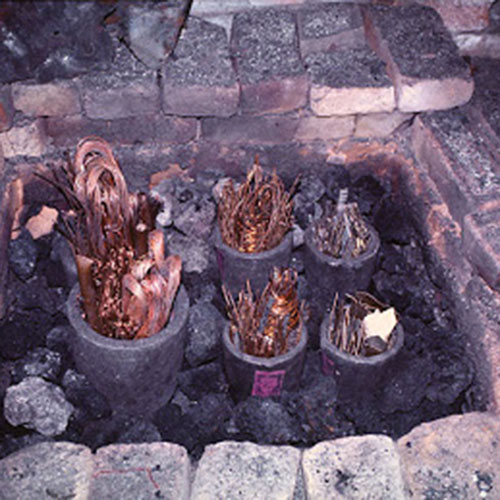
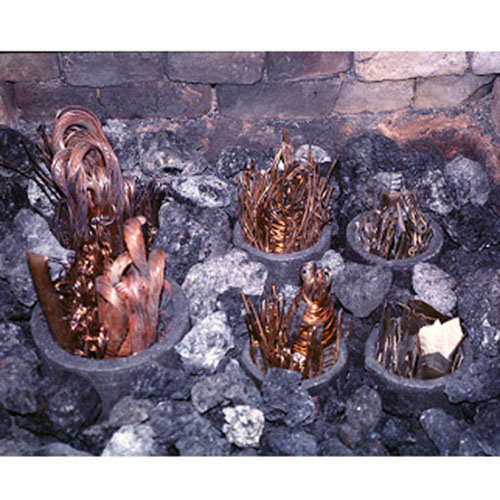
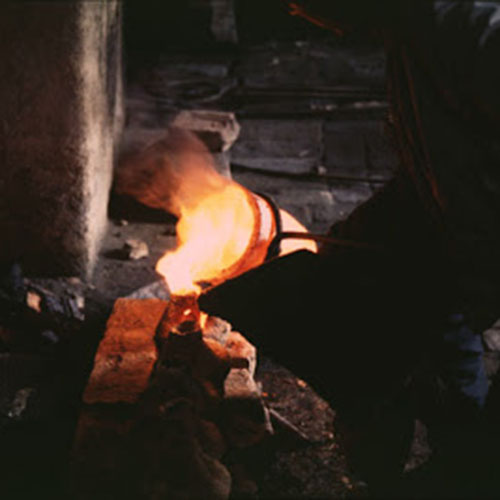
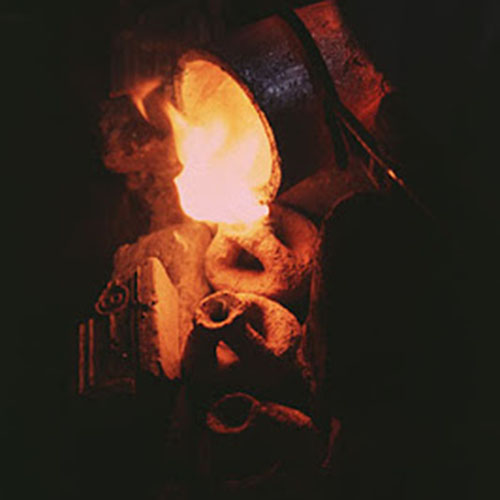
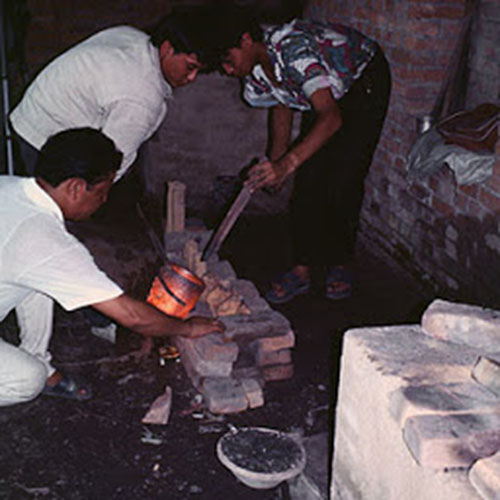
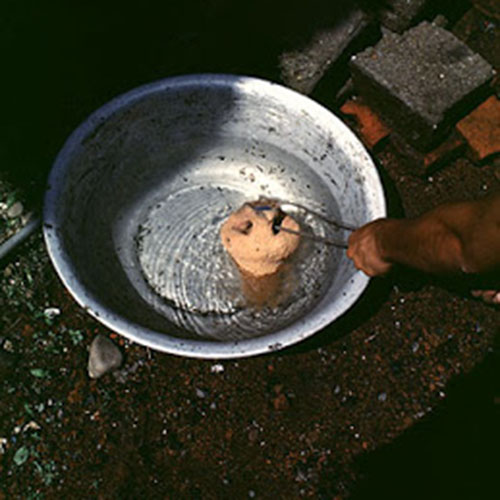
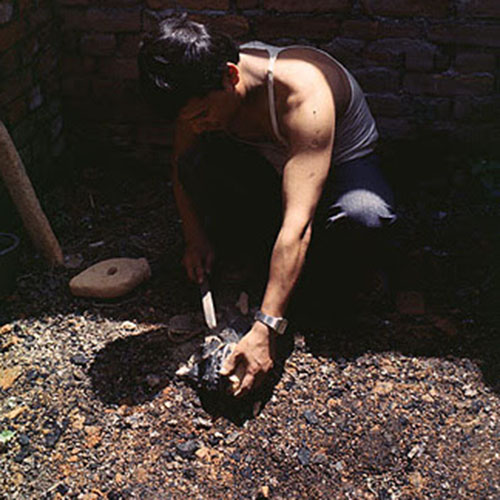
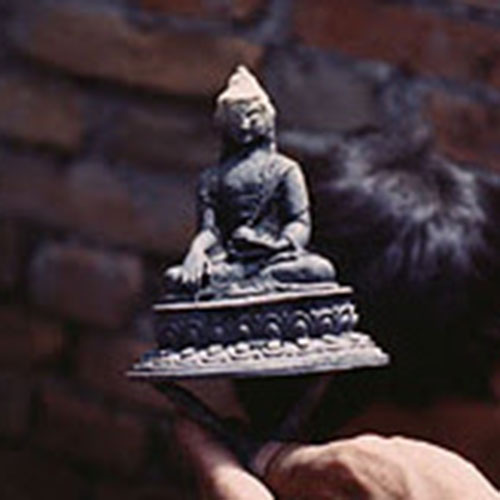
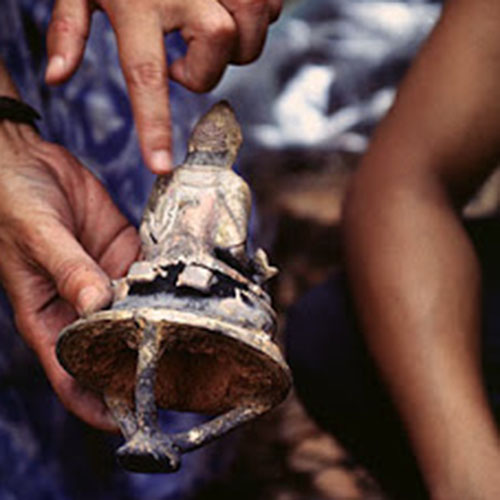
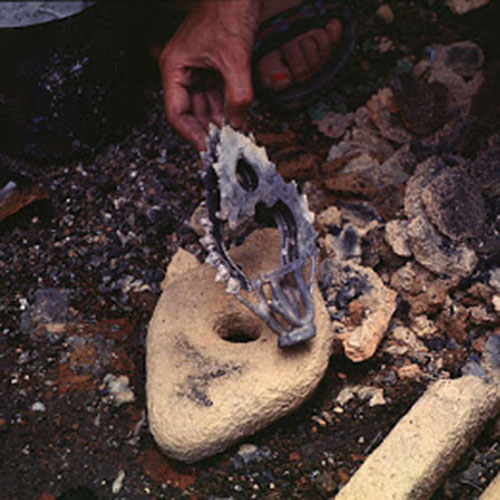
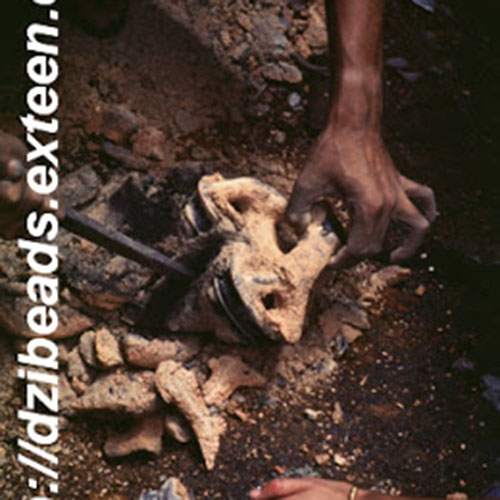

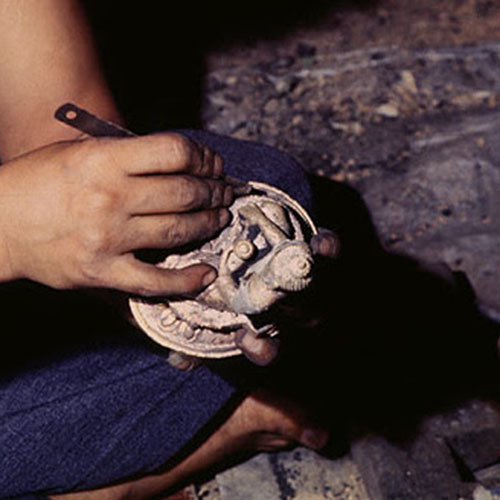
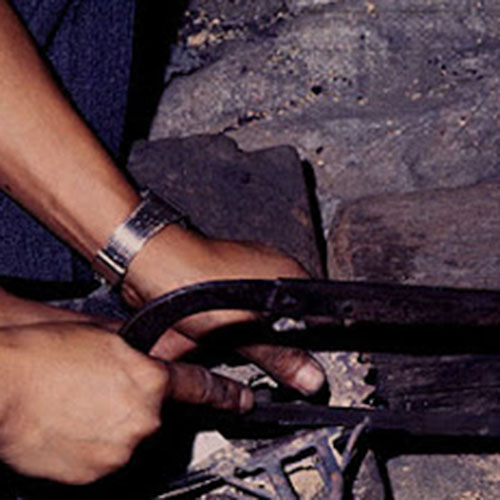
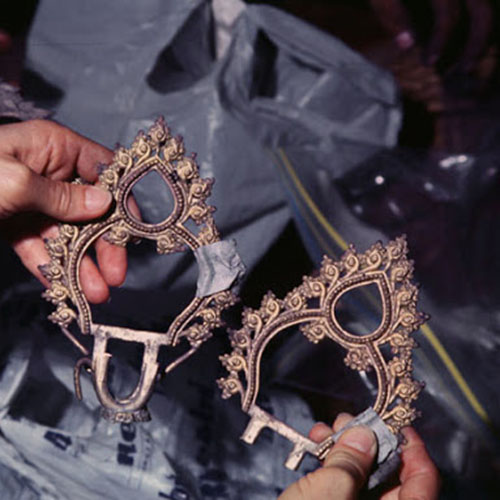
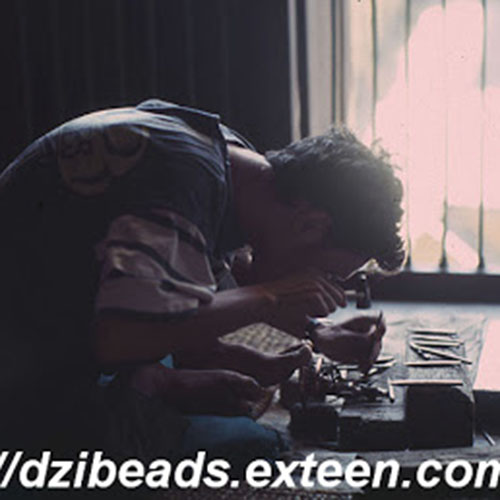
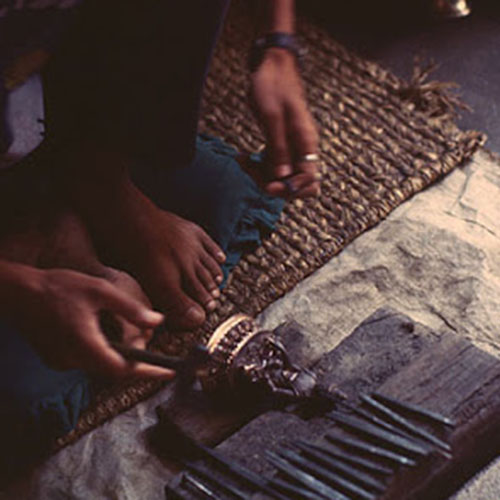
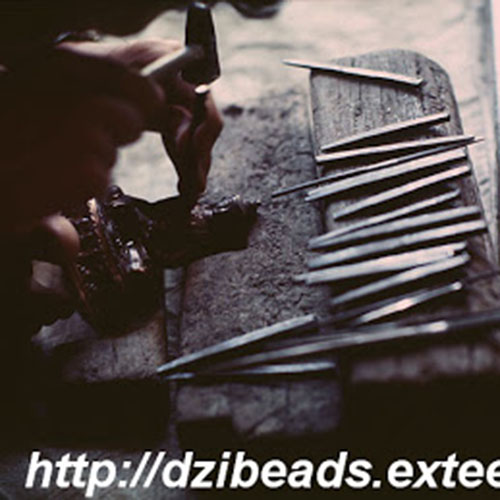
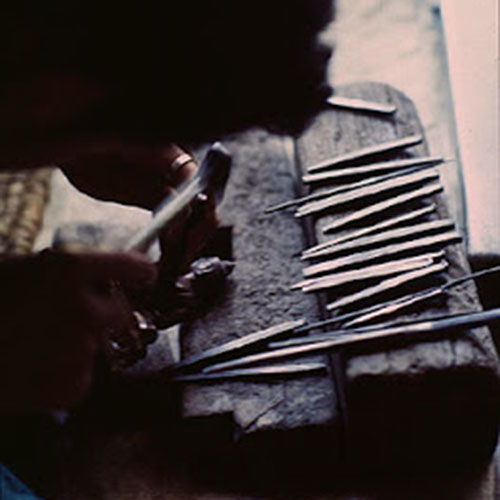

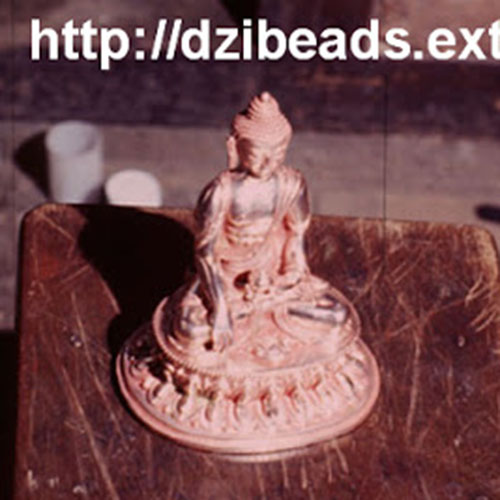
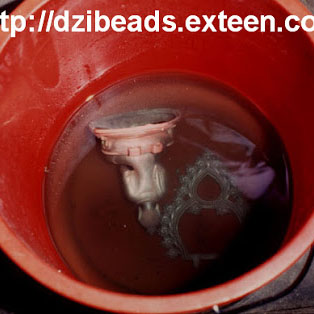
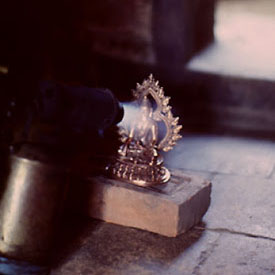
The Garudas have kings and cities, and at least some of them have the magical power of changing into human form when they wish to have dealings with people. On some occasions Garuda kings have had romances with human women in this form. Their dwellings are in groves of the simbalī, or silk-cotton tree.
The Garuda are enemies to the nāga, a race of intelligent serpent- or dragon-like beings, whom they hunt. The Garudas at one time caught the nāgas by seizing them by their heads; but the nāgas learned that by swallowing large stones, they could make themselves too heavy to be carried by the Garudas, wearing them out and killing them from exhaustion. This secret was divulged to one of the Garudas by the ascetic Karambiya, who taught him how to seize a nāga by the tail and force him to vomit up his stone.
The exact size of the is uncertain, but its wings are said to have a span of many miles. This may be a poetic exaggeration, but it is also said that when a Garuda's wings flap, they create hurricane-like winds that darken the sky and blow down houses. A human being is so small compared to a Garuda that a man can hide in the plumage of one without being noticed. They are also capable of tearing up entire banyan trees from their roots and carrying them off.
Garudas are the great golden-winged Peng birds. They also have the ability to grow large or small, and to appear and disappear at will. Their wingspan is 330 yojanas (one yojana being 40 miles long). With one flap of its wings, a Peng bird dries up the waters of the sea so that it can gobble up all the exposed dragons. With another flap of its wings, it can level the mountains by moving them into the ocean.
You may also want to read the related articles :
Service of Filling and blessing in Statue | Altering Finishing in StatueAt Handicraft Seller, we believe in providing a seamless and user-friendly experience to our valued customers. While our website is not an online shopping platform, we have incorporated a shopping cart system to simplify the process of sending us your inquiries. Please follow the steps below to place your order:
Step 1: Browsing the Selection
Explore our website to discover a delightful array of authentic Nepali handicraft products.
Click on the products you are interested in to view detailed descriptions and images.
Step 2: Adding Items to Your Inquiry Cart
To express your interest in a particular product, click the "Add to Inquiry Cart" button associated with that item.
The shopping cart will accumulate your selected products, providing a convenient way to organize your choices.
Step 3: Reviewing Your Inquiry Cart
Once you have finished selecting the items you wish to inquire about, review your "Inquiry Cart" to ensure accuracy.
Step 4: Sending Your Inquiries
Proceed to submit your inquiries by clicking the "Submit Inquiry" button.
A form will prompt you to provide your contact details, the selected products, and any specific queries you may have.
Step 5: Communicating through Email
As we do not have an automated payment system, we will conduct the business process through email.
Our team will review your inquiries and respond via email, offering further assistance and guidance.
Step 6: Clarifying Details and Finalizing Your Order
Engage in direct communication with our team to clarify any additional information or customization requests.
Once you are satisfied with the details, we will provide you with payment instructions and confirm the order.
Step 7: Completing the Transaction
Make the payment through the designated method as provided in the email.
After receiving the payment, we will process your order and prepare it for shipment.
Step 8: Shipping and Delivery
We offer worldwide shipping for all our products.
Once your order is dispatched, we will provide you with shipping details and tracking information.
Step 9: Receiving and Enjoying Your Handicrafts
Wait for your exquisite handicrafts to arrive at your doorstep.
Unpack and revel in the beauty and craftsmanship of your chosen Nepali treasures.
Contacting Us
If you encounter any complications while submitting your inquiries or need further assistance, please feel free to contact us.
Preferably, reach out to us through WhatsApp or email for prompt responses and support.
We hope this straightforward ordering process ensures a delightful and satisfying experience with Handicraft Seller. Thank you for choosing us to connect you with the rich heritage of Nepali handicrafts.
Return Policy
We have a 7 days money back policy but buyer have to pay the return shipping charges.
Shipping
- Shipping cost is calculated, based on the shipping weight of the products ordered. THe normal Shipping cost is US$25 for upto 0.5 kgs weight
- We ship Worldwide, Except Russia and India.
- The deliver duration varies for international Shipping location. We normally dispatch the product in 2 -3 business days. Else Buyer will be infromed Personally about the shipping.