Product Categories
Metal Statues
Thangka & Wall Decor
Sound & Spirituality
Buddhist Ritual Object
![[hq], [large] Copper Bhumpa- Bhumba. Fine Carving, [partly Gold Plated, Silver Plated, Stone Setting], With Peacock Feather](https://www.handmadeexpo.com/pics/product/24394.jpg)

![[hq], [large] Copper Bhumpa- Bhumba. Fine Carving, [partly Gold Plated, Silver Plated, Stone Setting], With Peacock Feather](https://www.handmadeexpo.com/pics/product/thumb/24394.jpg)
![[hq], [large] Copper Bhumpa- Bhumba. Fine Carving, [partly Gold Plated, Silver Plated, Stone Setting], With Peacock Feather](https://www.handmadeexpo.com/pics/product/thumb/24394_4.jpg)
![[hq], [large] Copper Bhumpa- Bhumba. Fine Carving, [partly Gold Plated, Silver Plated, Stone Setting], With Peacock Feather](https://www.handmadeexpo.com/pics/product/thumb/24394_3.jpg)
![[hq], [large] Copper Bhumpa- Bhumba. Fine Carving, [partly Gold Plated, Silver Plated, Stone Setting], With Peacock Feather](https://www.handmadeexpo.com/pics/product/thumb/24394_2.jpg)
![[hq], [large] Copper Bhumpa- Bhumba. Fine Carving, [partly Gold Plated, Silver Plated, Stone Setting], With Peacock Feather](https://www.handmadeexpo.com/pics/product/thumb/24394_1.jpg)
![[hq], [large] Copper Bhumpa- Bhumba. Fine Carving, [partly Gold Plated, Silver Plated, Stone Setting], With Peacock Feather](https://www.handmadeexpo.com/pics/product/thumb/24394_5.jpg)
![[hq], [large] Copper Bhumpa- Bhumba. Fine Carving, [partly Gold Plated, Silver Plated, Stone Setting], With Peacock Feather](https://www.handmadeexpo.com/pics/product/thumb/24394_6.jpg)
![[hq], [large] Copper Bhumpa- Bhumba. Fine Carving, [partly Gold Plated, Silver Plated, Stone Setting], With Peacock Feather](https://www.handmadeexpo.com/pics/product/thumb/24394_7.jpg)
![[hq], [large] Copper Bhumpa- Bhumba. Fine Carving, [partly Gold Plated, Silver Plated, Stone Setting], With Peacock Feather](https://www.handmadeexpo.com/pics/product/thumb/24394_8.jpg)
![[hq], [large] Copper Bhumpa- Bhumba. Fine Carving, [partly Gold Plated, Silver Plated, Stone Setting], With Peacock Feather](https://www.handmadeexpo.com/pics/product/thumb/24394_9.jpg)
![[hq], [large] Copper Bhumpa- Bhumba. Fine Carving, [partly Gold Plated, Silver Plated, Stone Setting], With Peacock Feather](https://www.handmadeexpo.com/pics/product/thumb/24394_10.jpg)
Hq, Large Copper Bhumpa- Bhumba. Fine Carving, Partly Gold Plated, Silver Plated, Stone Setting, with Peacock Feather
Bhumpa
The Bhumba has a full Silver plated finish, Sliver plating process involves the application of a thin layer of genuine silver onto the surface of the Bhumba, creating a stunning and lustrous appearance. Skilled artisans handle the silver plating, ensuring even coverage and a flawless finish. The silver plating adds a touch of elegance and sophistication to the Bhumba, enhancing its overall aesthetic appeal. Read More . . .
The Bhumba boasts an Elector Partly Gold Plated finishing, a technique that combines complete gold plating with the strategic application of paint to create a distinct visual separation. Skilled artisans gild the entire surface with genuine gold, imparting a resplendent and opulent appearance. Subsequently, carefully chosen paint is delicately applied to specific areas, effectively highlighting certain parts while distinguishing them from the painted attire.
In the context of statues, this technique serves to separate the divine golden body from the painted attire, symbolizing the humble robes worn by Buddhist monks. This artful fusion of electro-gold plating and paintwork results in captivating masterpieces that not only embody the essence of the Bhumba but also carry the rich cultural and spiritual significance associated with Buddhist traditions. With its mesmerizing beauty and profound symbolism, the Elector Partly Gold Plated finishing captures the admiration of art enthusiasts and evokes a deep connection to the spiritual heritage it represents. Read More . . .
You may also want to read the related articles :
At Handicraft Seller, we believe in providing a seamless and user-friendly experience to our valued customers. While our website is not an online shopping platform, we have incorporated a shopping cart system to simplify the process of sending us your inquiries. Please follow the steps below to place your order:
Step 1: Browsing the Selection
Explore our website to discover a delightful array of authentic Nepali handicraft products.
Click on the products you are interested in to view detailed descriptions and images.
Step 2: Adding Items to Your Inquiry Cart
To express your interest in a particular product, click the "Add to Inquiry Cart" button associated with that item.
The shopping cart will accumulate your selected products, providing a convenient way to organize your choices.
Step 3: Reviewing Your Inquiry Cart
Once you have finished selecting the items you wish to inquire about, review your "Inquiry Cart" to ensure accuracy.
Step 4: Sending Your Inquiries
Proceed to submit your inquiries by clicking the "Submit Inquiry" button.
A form will prompt you to provide your contact details, the selected products, and any specific queries you may have.
Step 5: Communicating through Email
As we do not have an automated payment system, we will conduct the business process through email.
Our team will review your inquiries and respond via email, offering further assistance and guidance.
Step 6: Clarifying Details and Finalizing Your Order
Engage in direct communication with our team to clarify any additional information or customization requests.
Once you are satisfied with the details, we will provide you with payment instructions and confirm the order.
Step 7: Completing the Transaction
Make the payment through the designated method as provided in the email.
After receiving the payment, we will process your order and prepare it for shipment.
Step 8: Shipping and Delivery
We offer worldwide shipping for all our products.
Once your order is dispatched, we will provide you with shipping details and tracking information.
Step 9: Receiving and Enjoying Your Handicrafts
Wait for your exquisite handicrafts to arrive at your doorstep.
Unpack and revel in the beauty and craftsmanship of your chosen Nepali treasures.
Contacting Us
If you encounter any complications while submitting your inquiries or need further assistance, please feel free to contact us.
Preferably, reach out to us through WhatsApp or email for prompt responses and support.
We hope this straightforward ordering process ensures a delightful and satisfying experience with Handicraft Seller. Thank you for choosing us to connect you with the rich heritage of Nepali handicrafts.
Return Policy
We have a 7 days money back policy but buyer have to pay the return shipping charges.
Shipping
- Shipping cost is calculated, based on the shipping weight of the products ordered. THe normal Shipping cost is US$25 for upto 0.5 kgs weight
- We ship Worldwide, Except Russia and India.
- The deliver duration varies for international Shipping location. We normally dispatch the product in 2 -3 business days. Else Buyer will be infromed Personally about the shipping.
Related Products
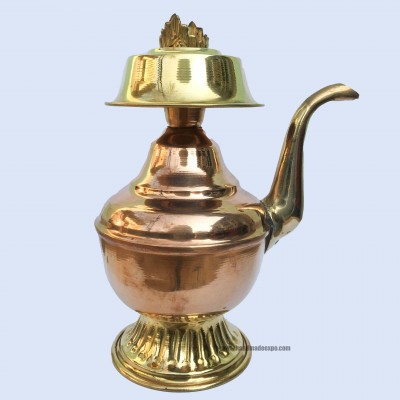
19cm Metal Bhumpa, Water Pot Brass With Gold Plated
Weight : 0.35kg | [23001]
US$15
US$12
You Save
US$3
(20%)
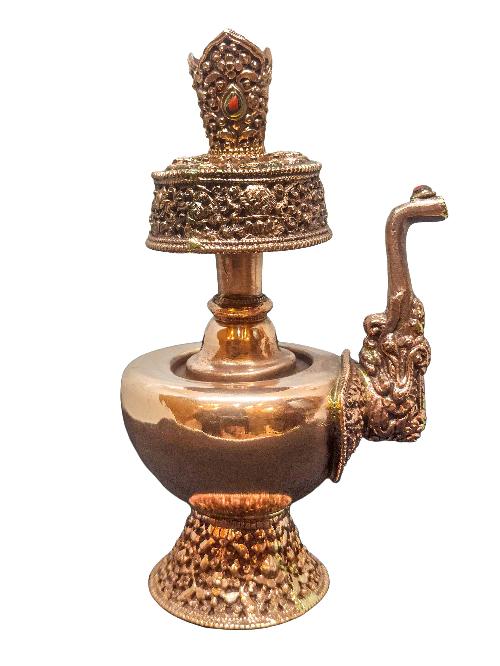
20cm Bhumpa- Bhumba, A Buddhist Handmade Copper Offering Bowl Set
Weight : 0.51kg | [30819]
US$70
US$56
You Save
US$14
(20%)
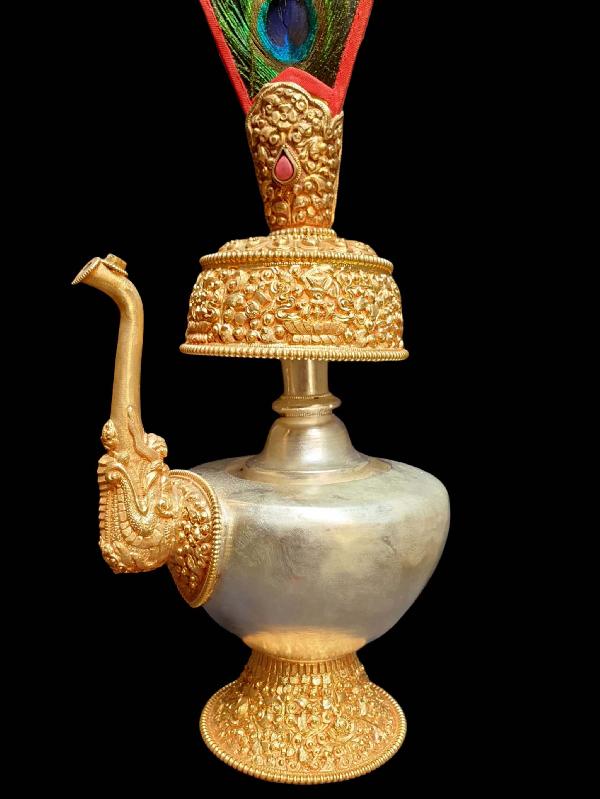
34cm Hq, Large Copper Bhumpa- Bhumba. Fine Carving, Partly Gold Plated, Silver Plated, Stone Setting, With Peacock Feather
Weight : 1.5kg | [24401]
US$320
US$256
You Save
US$64
(20%)
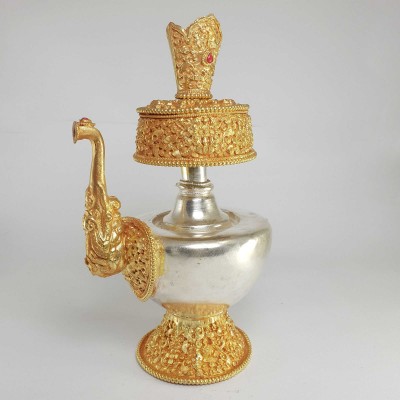
22cm Hq, Large Copper Bhumpa- Bhumba, Fine Carving, Gold And Silver Plated
Weight : 0.7kg | [21484]
US$90
US$72
You Save
US$18
(20%)
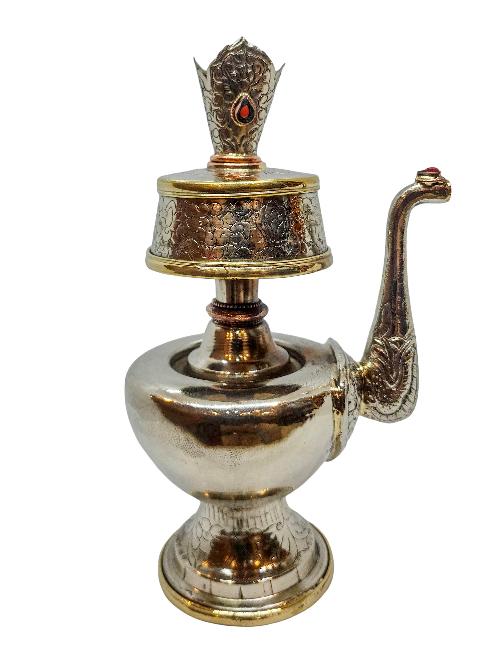
21cm Bhumpa- Bhumba, A Buddhist Handmade Copper Offering Bowl Set
Weight : 0.41kg | [30826]
US$60
US$48
You Save
US$12
(20%)
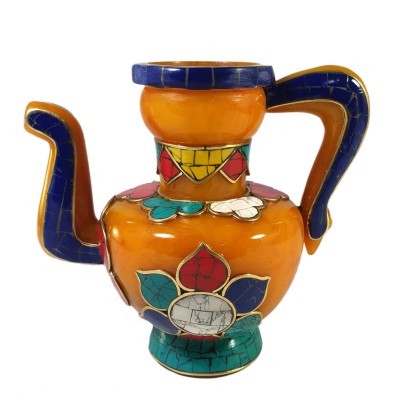
13cm Imitation Amber Bhumpa With Stone And Metal Setting
Weight : 3kg | [22220]
US$50
US$40
You Save
US$10
(20%)
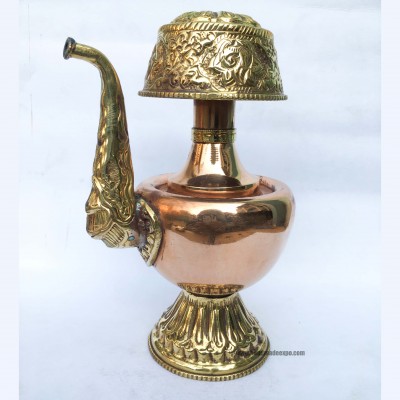
18cm Metal Bhumpa,water Pot Brass With Gold Plated
Weight : 0.36kg | [23002]
US$15
US$12
You Save
US$3
(20%)
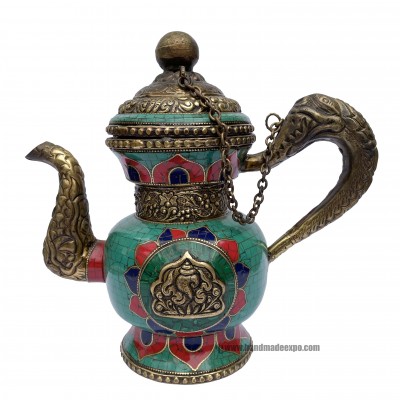
22cm Tibetan Bhumpa- Bhumba Water Pot, Multi Color, With Stone Setting
Weight : 0.87kg | [23024]
US$110
US$88
You Save
US$22
(20%)