Product Categories
Metal Statues
Thangka & Wall Decor
Sound & Spirituality
Buddhist Ritual Object
![[master Quality], Buddhist Statue Of Green Tara, [chocolate Oxidized]](https://www.handmadeexpo.com/pics/product/24498.jpg)

![[master Quality], Buddhist Statue Of Green Tara, [chocolate Oxidized]](https://www.handmadeexpo.com/pics/product/thumb/24498.jpg)
![[master Quality], Buddhist Statue Of Green Tara, [chocolate Oxidized]](https://www.handmadeexpo.com/pics/product/thumb/24498_0.jpg)
![[master Quality], Buddhist Statue Of Green Tara, [chocolate Oxidized]](https://www.handmadeexpo.com/pics/product/thumb/24498_1.jpg)
![[master Quality], Buddhist Statue Of Green Tara, [chocolate Oxidized]](https://www.handmadeexpo.com/pics/product/thumb/24498_2.jpg)
Master Quality, Buddhist Statue of Green Tara, Chocolate Oxidized
Dolma
Green Tara (Sanskrit: Arya Tara; Tibetan: Jetsun Dolma) is one of the most widely venerated deities across Mahayana and Vajrayana Buddhism. Known as the Mother of all Buddhas, she embodies active compassion, swift protection, and fearlessness. Practitioners turn to Green Tara for immediate relief from psychological obstacles, physical danger, and spiritual blockages.
Green Tara is a female Buddha and Bodhisattva revered as the supreme embodiment of compassionate action. In Mahayana and Vajrayana traditions, she is celebrated for her readiness to assist those in distress.
Unlike deities depicted in deep, motionless meditation, Green Tara sits in a posture of dynamic readiness. In Buddhist art and iconography, she is represented as a youthful figure with a radiant green complexion, adorned in royal silks, crown, and fine jewelry.
Green Tara (Sanskrit: Arya Tara; Tibetan: Jetsun Dolma) is one of the most widely venerated deities across Mahayana and Vajrayana Buddhism. Known as the Mother of all Buddhas, she embodies active compassion, swift protection, and fearlessness. Practitioners turn to Green Tara for immediate relief from psychological obstacles, physical danger, and spiritual blockages.
Green Tara is a female Buddha and Bodhisattva revered as the supreme embodiment of compassionate action. In Mahayana and Vajrayana traditions, she is celebrated for her readiness to assist those in distress.
Unlike deities depicted in deep, motionless meditation, Green Tara sits in a posture of dynamic readiness. In Buddhist art and iconography, she is represented as a youthful figure with a radiant green complexion, adorned in royal silks, crown, and fine jewelry.
About Chocolate Oxidized
This Green Tara has been meticulously treated with a chocolate color antique patina. The intention behind this patina is to replicate the appearance of a copper statue that has gracefully aged over a century. Unlike a simple coat of paint, this patina is not applied superficially and is designed to endure. It undergoes an artificial oxidation process that adds depth and character, while also serving as a protective layer against natural oxidation.By imitating the natural aging process, the chocolate color antique patina lends an air of authenticity and vintage charm to the Green Tara. This carefully crafted finish ensures that the patina remains intact for an extended period, offering longevity and resistance to wear. The result is a unique piece that captures the essence of a time-worn copper statue, evoking a sense of history and artistic heritage.
Lost-Wax System
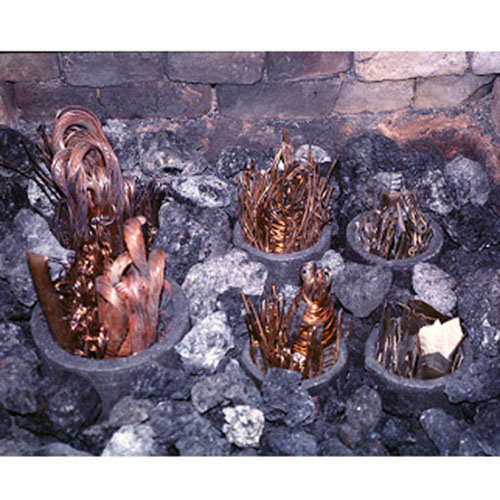
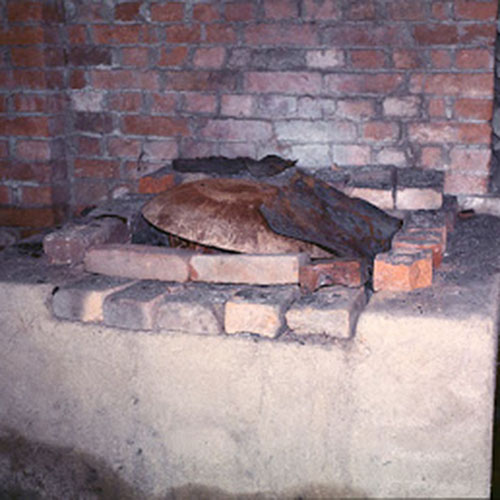
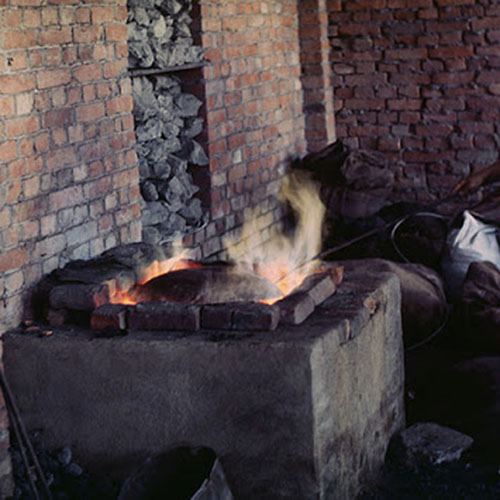
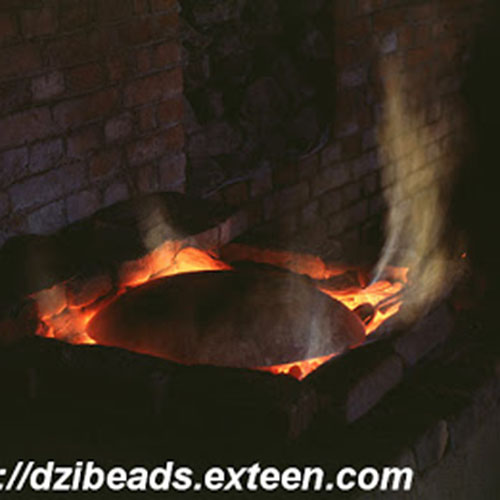
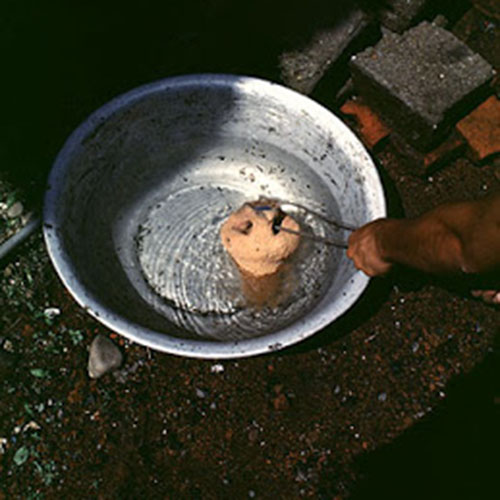
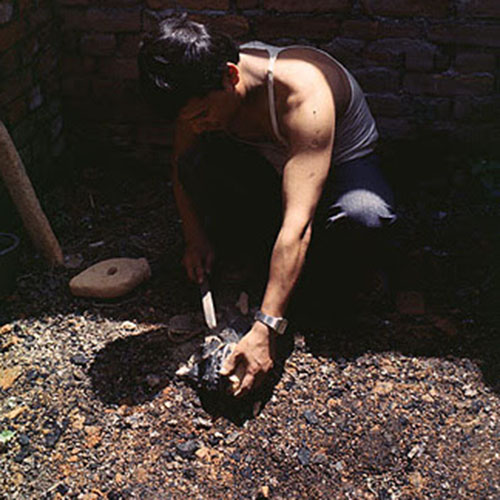
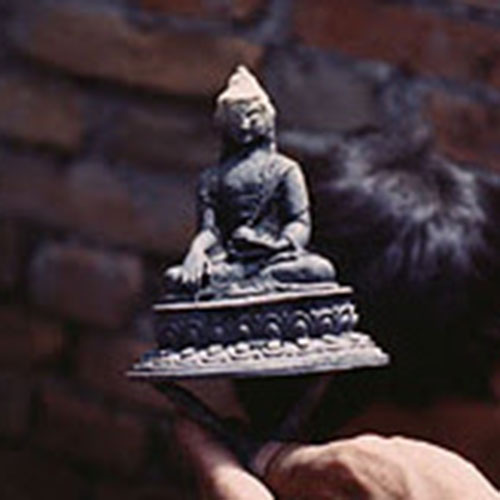
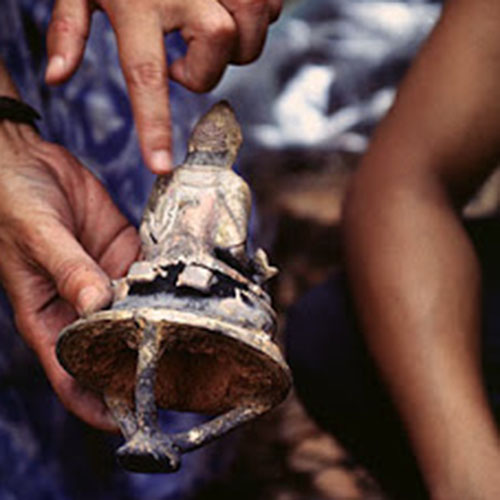
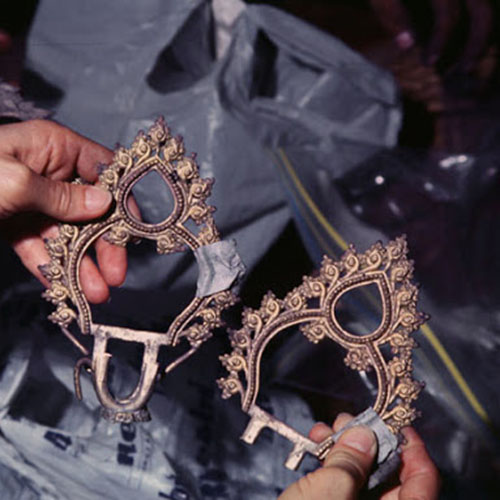
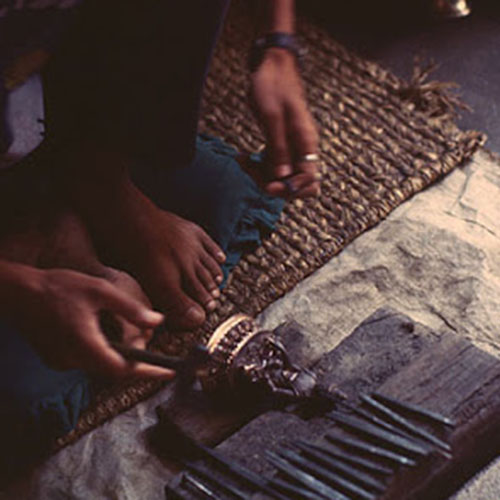
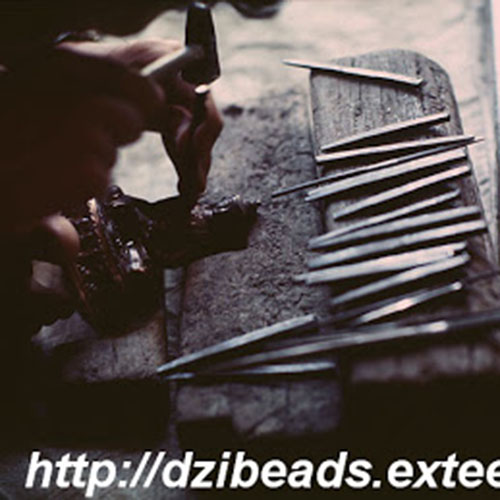
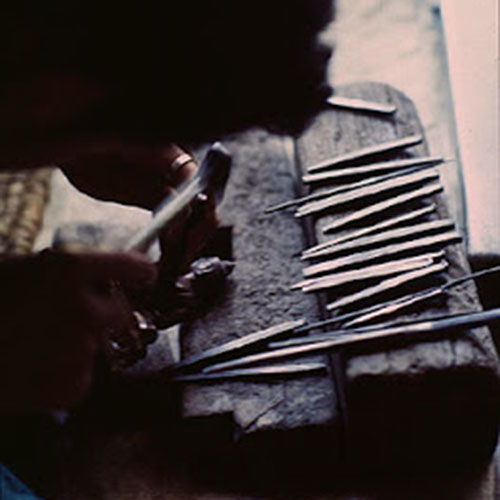
This Tara of Green Tara is made by the process of the Lost Wax system. This is a very complicated, time consuming and historic process of making metal sculptures.Which is why it is sometimes called Precision Casting as well. Hence the sculptures made by this process are comparatively expensive. There are many new, advanced and less time consuming methods of casting metal sculptures available as well. But due to the benefits provided by the traditional lost wax system in quality control and customization, we prefer the Loss wax system over Ceramic molding, or sand casting to make our Tara.Below we have tried to illustrate the process of making a loss wax system statue: Read More . . .
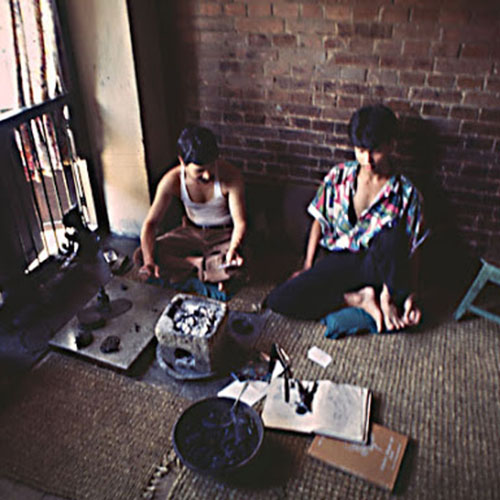
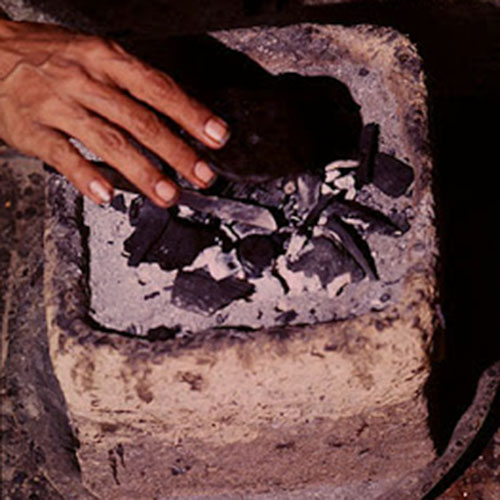
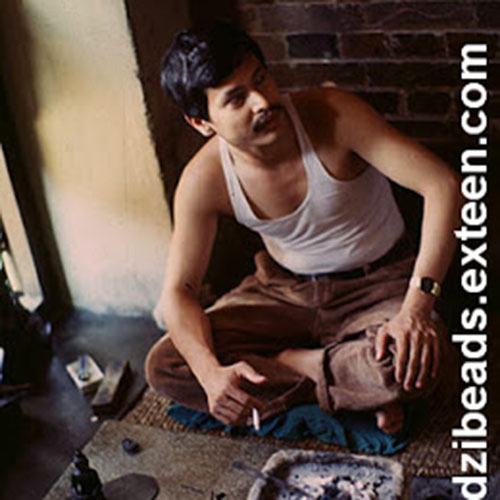

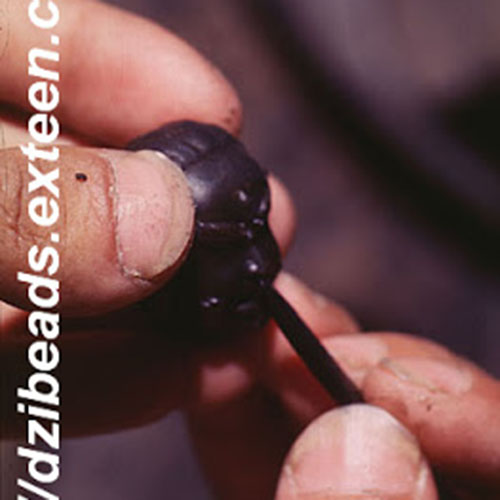


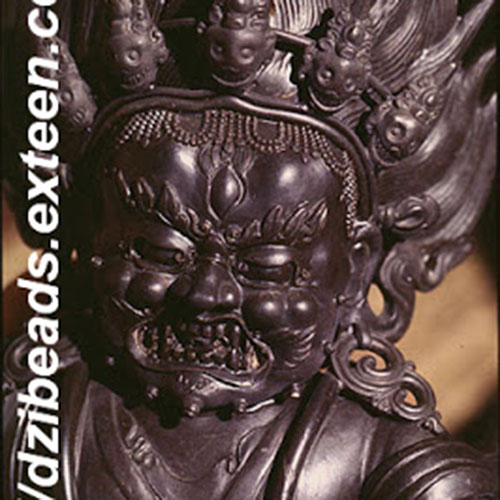
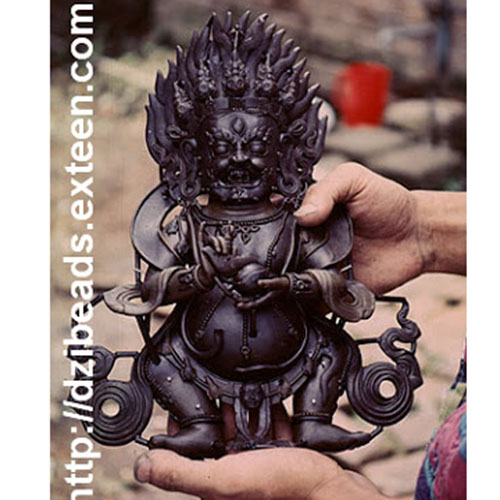
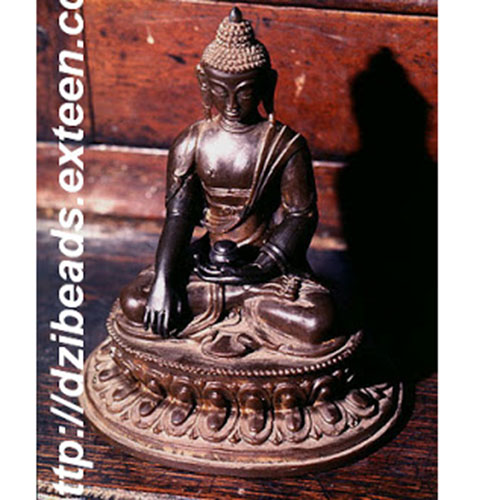
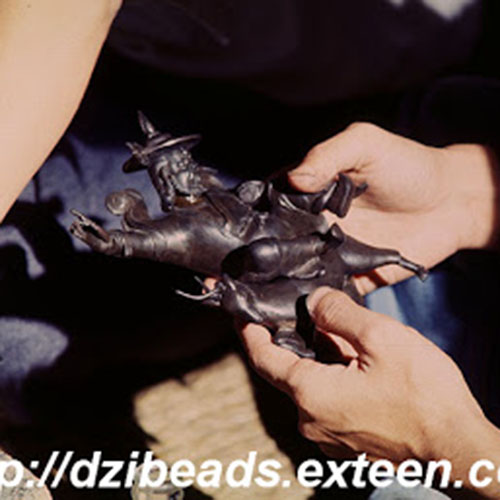
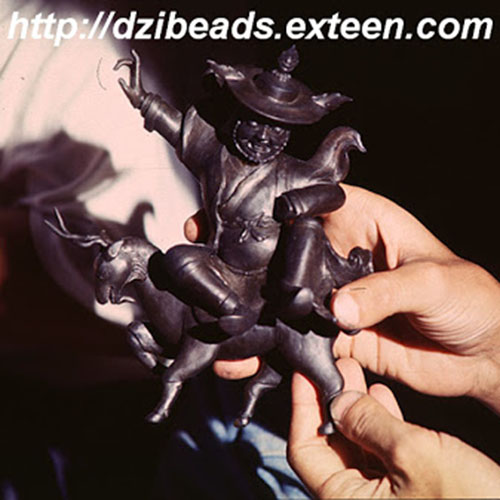
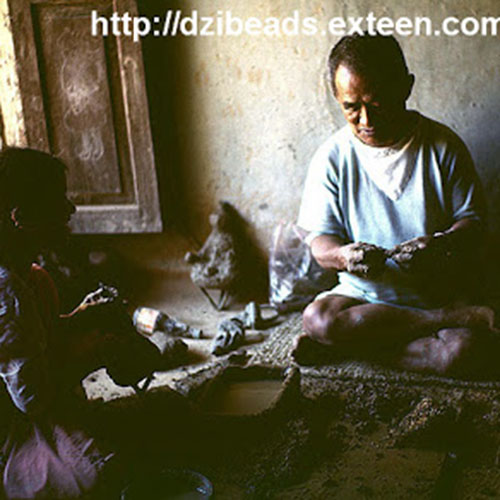
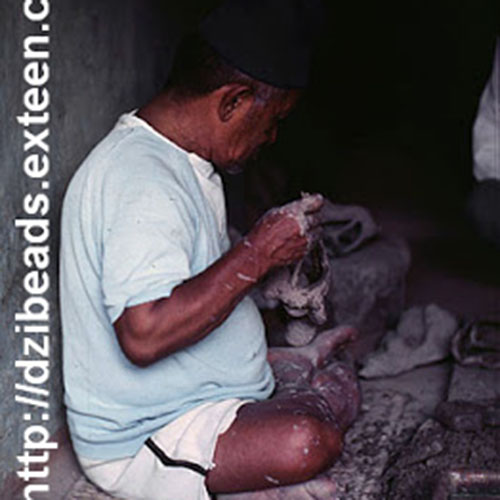
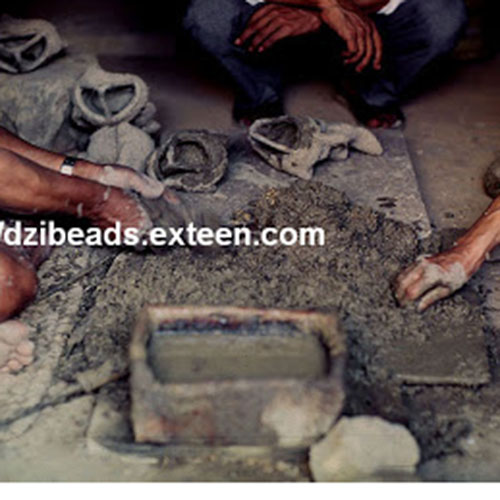
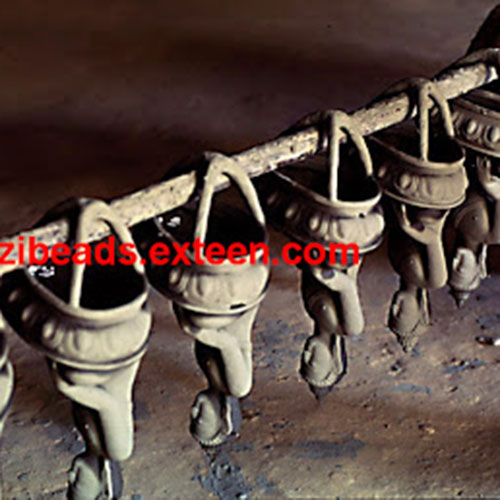
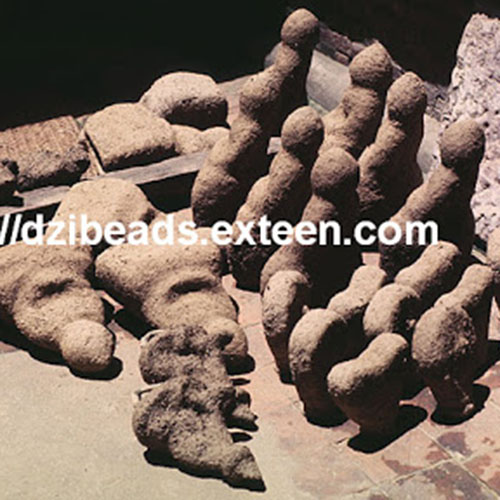
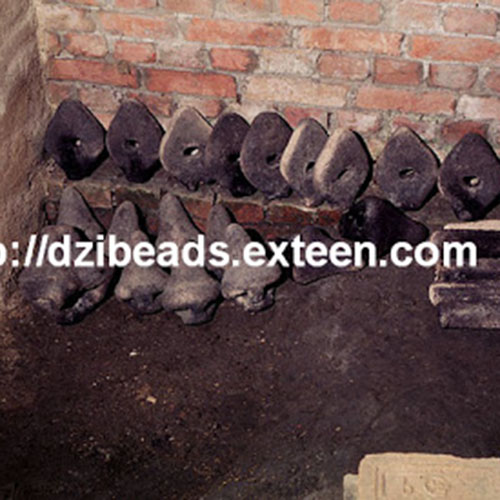
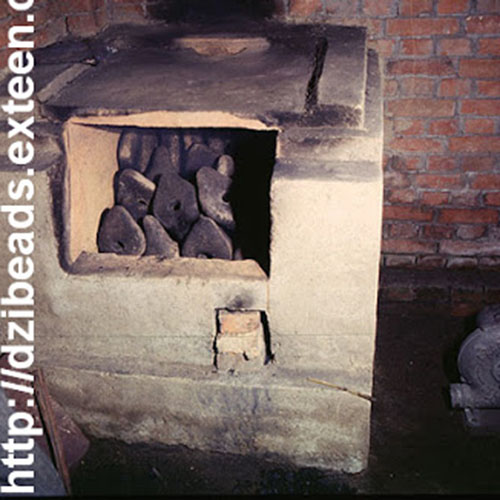
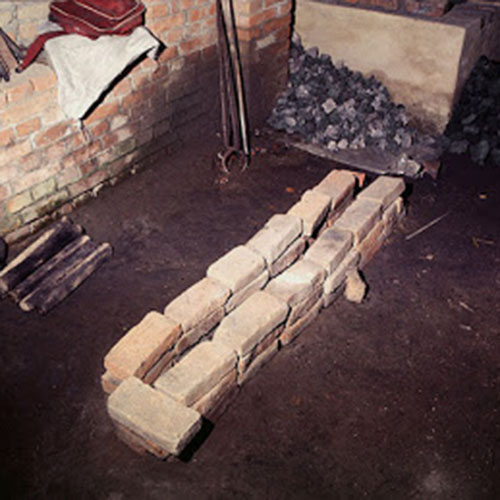
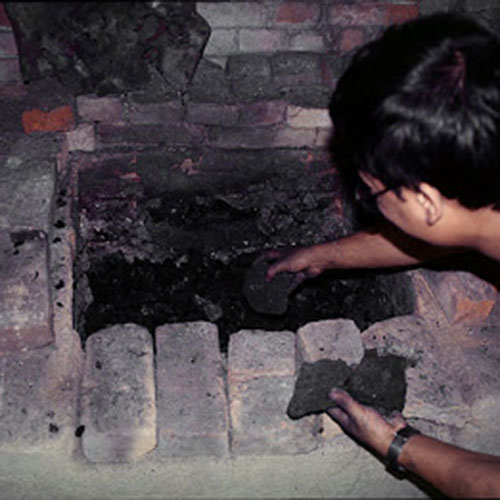
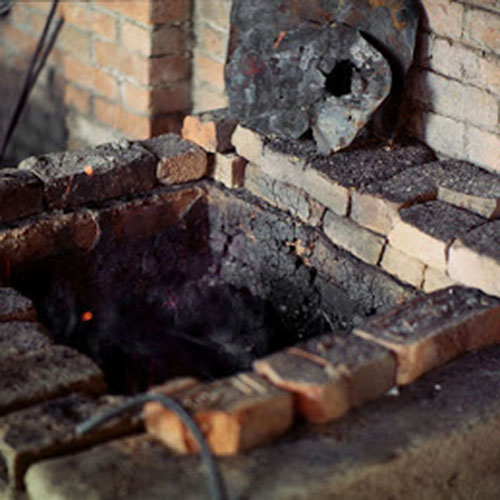
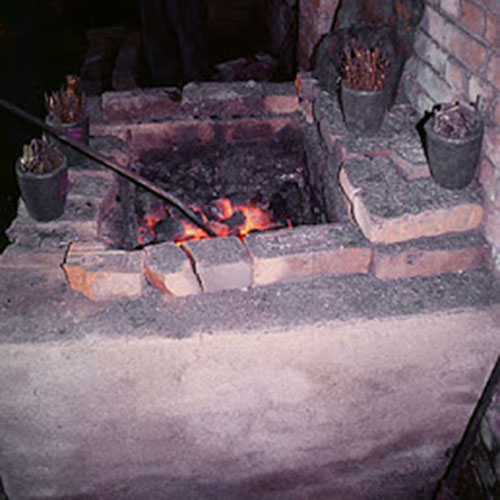
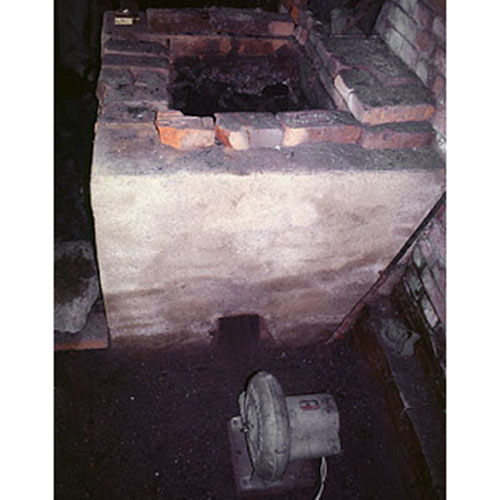
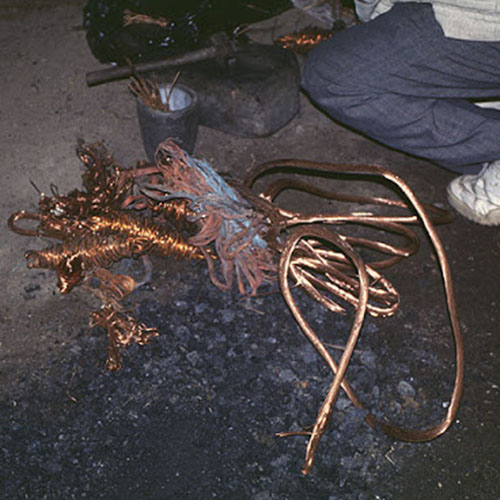
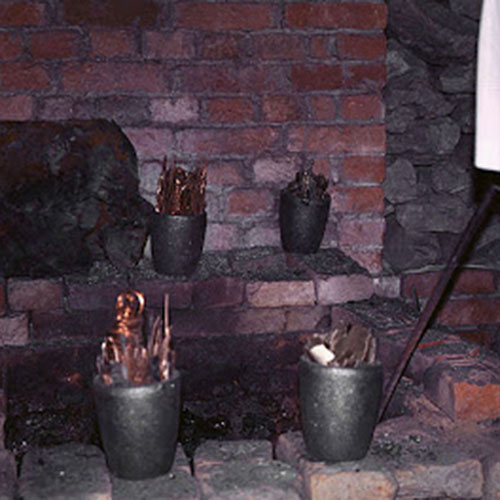
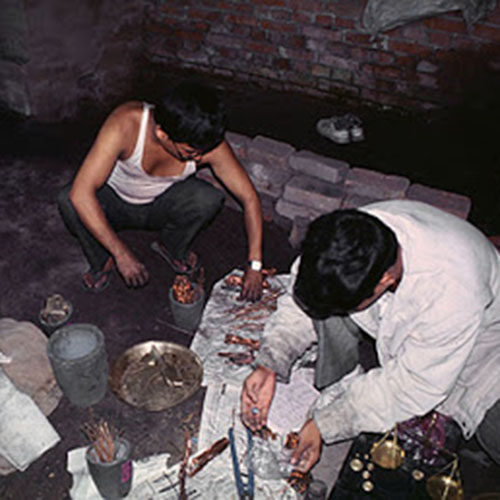
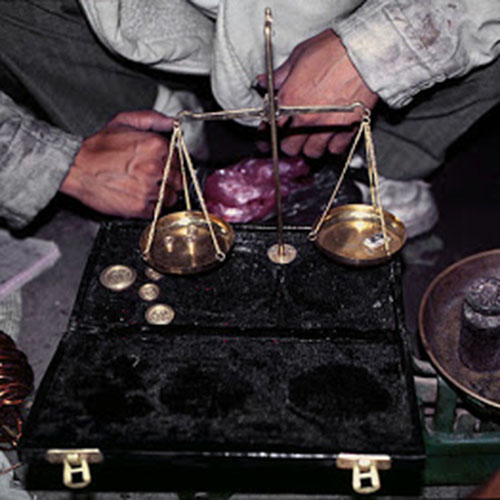
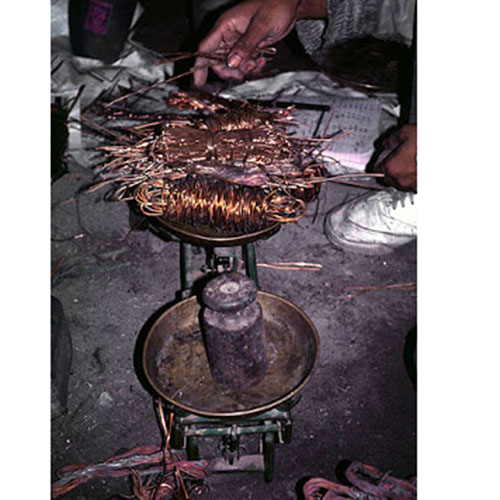
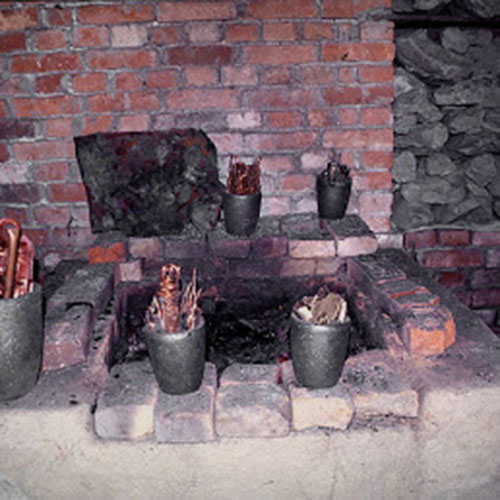
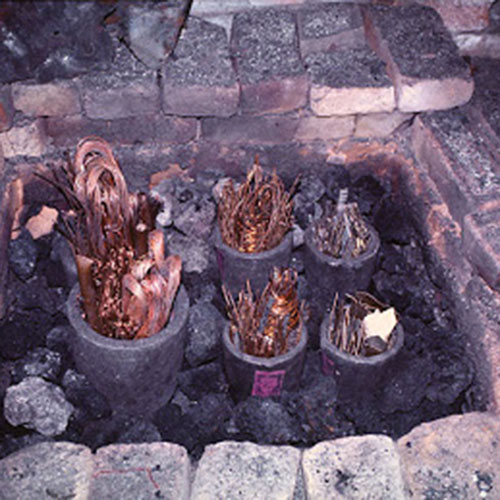
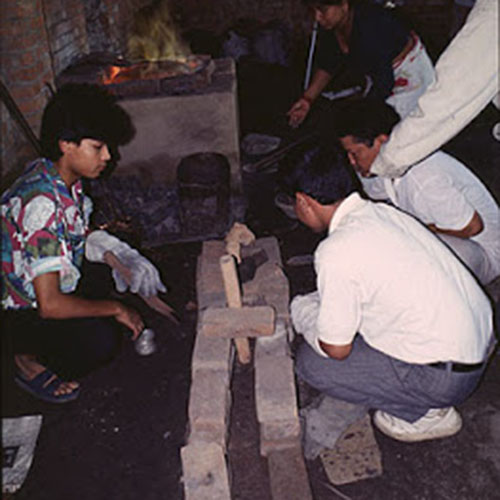
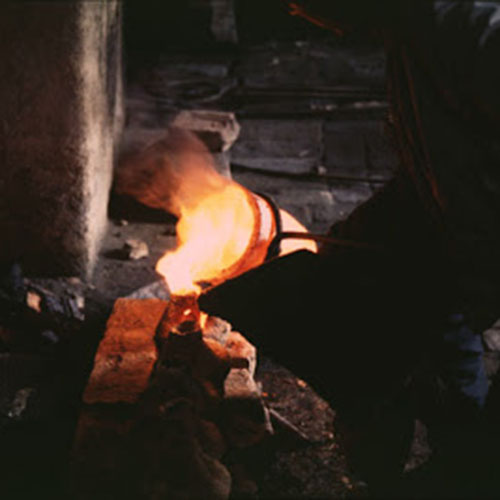
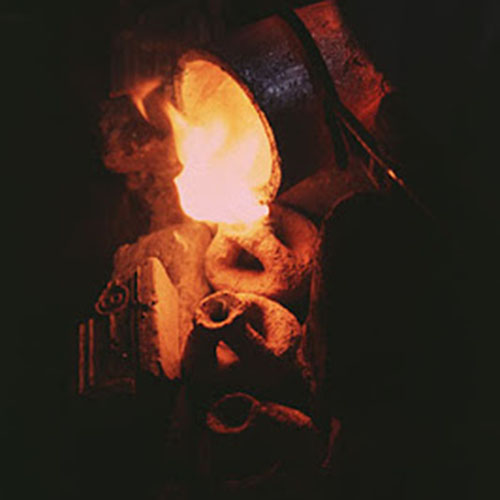
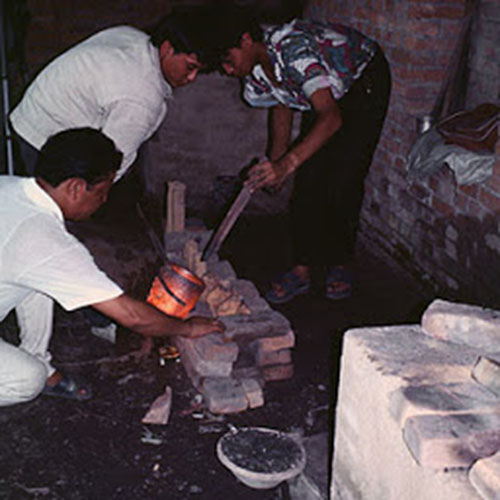
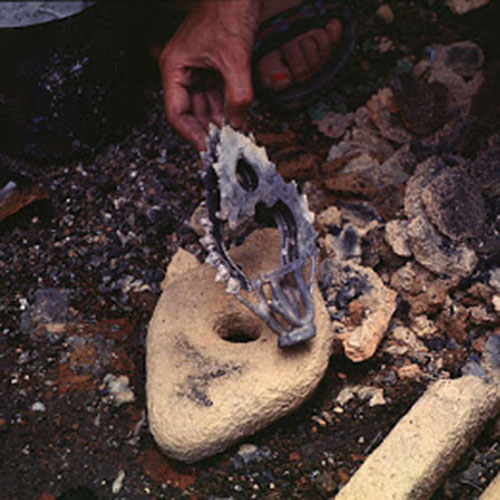
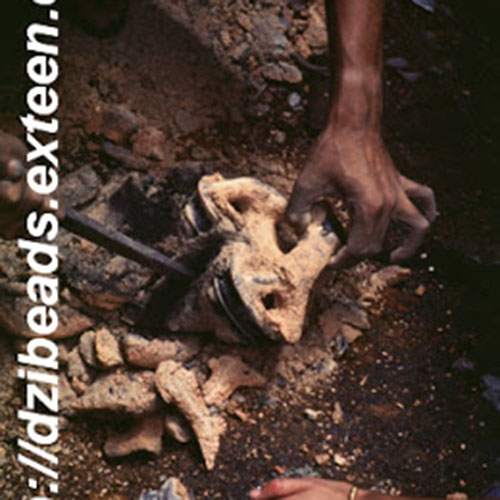

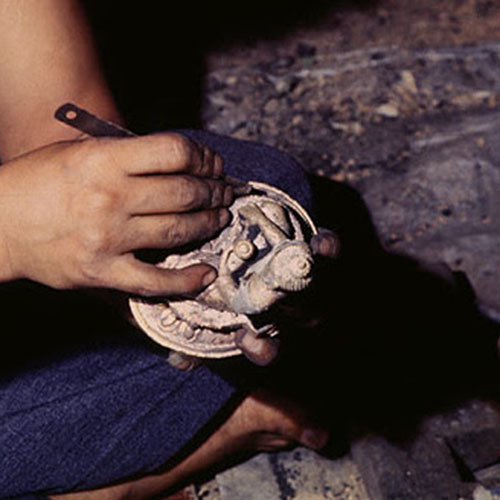
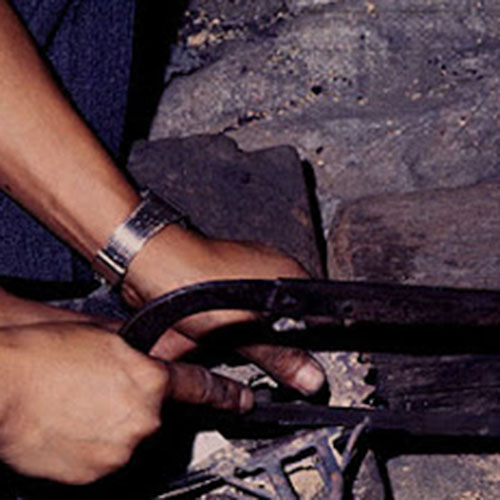


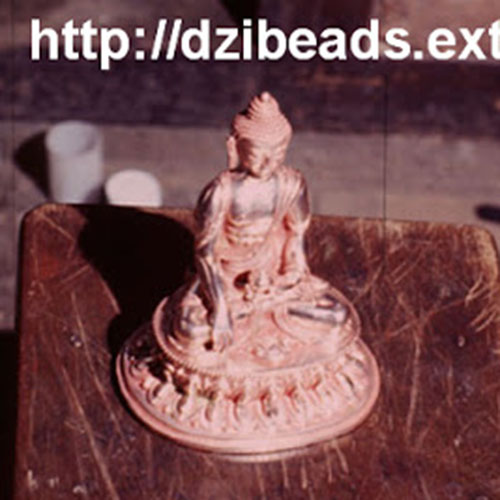
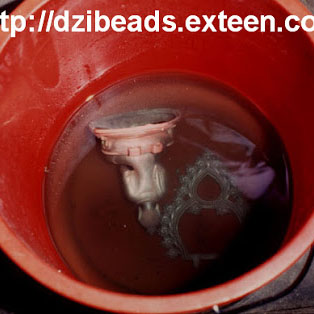
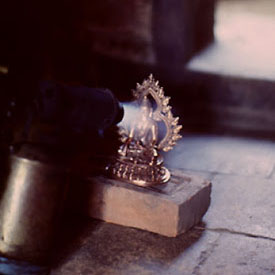
Importance of Green Tara in Mahayana and Vajrayana Buddhism :
Mother of All Buddhas: Green Tara embodies Prajnaparamita (perfection of wisdom). She gives birth to enlightened awareness in practitioners.
The Saviour Deity: Venerated across Nepal, Tibet, Bhutan, Mongolia, and Northern India as the primary deity for swift aid in times of crisis.
Master of the Wind Element: Her green color connects her to the Amoghasiddhi Buddha family, representing enlightened action, karma fulfillment, and mastery over fear.
Meaning of Green Tara
The name Tara derives from the Sanskrit root trī, meaning "to cross over" or "to traverse." Arya Tara translates to "Noble Liberator." She acts as the guide who helps sentient beings cross the stormy sea of suffering (samsara) to the shore of enlightenment.
Significance of the Name: Tara signifies both physical protection on journeys and spiritual liberation from mental afflictions.
Compassionate Action: While deities like Avalokiteshvara represent deep passive compassion, Green Tara embodies active, immediate compassion in response to heartfelt calls for help.
Meaning of the Color Green: Green represents the air element, vitality, growth, and energetic movement. Just as plants sprout rapidly, Green Tara's blessings manifest swiftly to clear obstacles.
Green Tara Symbolism and Iconography
Every detail of a Green Tara statue or thangka painting conveys profound spiritual instruction. While lineage interpretations vary slightly, traditional Nepalese and Tibetan artists follow standardized iconographic guidelines.
1. Green Complexion
Her green hue represents the active energy of Buddha Amoghasiddhi, signaling her readiness to act instantly on behalf of suffering beings.
2. Posture (Lalitasana)
Green Tara sits on a lotus throne in the posture of royal ease (Lalitasana):
One Leg Extended (Right Leg): Her right foot rests on a small lotus cushion below the throne, stepped forward to rush to the aid of anyone calling her name.
One Leg Folded (Left Leg): Her left leg is tucked inward, symbolizing internal composure, meditative absorption, and liberation from worldly attachment.
3. Hand Gestures (Mudras)
Right Hand (Varada Mudra): Resting on her right knee with palm open outward, symbolizing generosity, granting wishes, and supreme freedom.
Left Hand (Abhaya/Vitarka Mudra): Raised at heart level, holding the stem of a blue lotus. The thumb and ring finger touch to symbolize the unity of wisdom and compassion, while the remaining three fingers represent the Three Jewels (Buddha, Dharma, and Sangha).
4. Lotus Flowers (Utpala)
Green Tara holds two Night Lotus flowers (Utpala):
Closed/Budding Lotus: Symbolizes future enlightenment and potential.
Fully Bloomed Lotus: Symbolizes present wisdom and realized enlightenment.
5. Jewelry, Crown, and Expression
Five-Jeweled Crown: Represents transmuting the five mental poisons (ignorance, attachment, anger, pride, jealousy) into the five Buddha wisdoms.
Royal Ornaments: Necklaces, armlets, and silk garments convey her ultimate mastery without renouncing earthly beauty.
Peaceful Facial Expression: A calm, smiling gaze looking downward with eyes of unconditional maternal affection.
Green Tara Mantra :
The standard prayer associated with Green Tara is among the most famous mantras in Mahayana Buddhism.
Traditional Sanskrit & Tibetan Form
(Tibetan pronunciation: Om Tare Tuttare Ture Soha / Swaha)
Meaning of the Mantra Words
| Syllable | Literal Meaning | Spiritual Significance |
| OM | Sacred Syllable | Represents the holy body, speech, and mind of the Buddha |
| TARE | To Liberate | Liberation from mundane suffering, physical dangers, and samsara |
| TUTTARE | To Deliver | Protection from eight internal and external fears (delusions and physical hazards) |
| TURE | To Swiftly Aid | Liberation from disease, spiritual blockages, and ignorance |
| SOHA | May it be settled / Hail | Establishing the blessings permanently in one's mind stream |
How Practitioners Use the Mantra
Practitioners recite the mantra daily using a mala (108 beads) during morning prayer or quiet sit-downs. Mantra recitation calms the nervous system, focuses the mind, and cultivates mental resilience during challenging life transitions.
What Does Green Tara Represent?
Compassion & Protective Motherhood: She is seen as an accessible maternal figure who unconditionally protects all beings.
Freedom From Fear: Traditionally associated with protection against the "Eight Great Fears":
Lions (Pride)
Wild Elephants (Ignorance)
Fire (Anger)
Snakes (Jealousy)
Thieves (False Views)
Imprisonment (Avarice/Greed)
Shipwrecks/Floods (Attachment)
Demons/Ghosts (Doubt)
Swift Compassionate Action: Direct intervention when negative emotion or crisis overwhelms mental stability.
Overcoming Life Obstacles: Clearing health, financial, and emotional barriers on the spiritual path.
Green Tara in Tibetan Buddhism
In Tibetan Buddhism, Green Tara occupies a central place alongside Chenrezig (Avalokiteshvara) and Guru Rinpoche.
According to Tibetan legend, Tara was born from a tear shed by Avalokiteshvara as he wept over the immense suffering of worldly beings. The tear pooled into a lake, from which a blue lotus sprouted and opened to reveal Green Tara. She vowed to work continuously in female form until all beings achieve liberation, making her a beacon of female empowerment in sacred art.
Green Tara Meditation and Practice
Anyone can cultivate devotion to Green Tara without complex preliminary rites.
Basic Steps for Daily Practice
Prepare a Quiet Space: Place a Green Tara statue or picture on a clean altar at eye level.
Set Intention: Light incense or butter lamps and generate an altruistic wish for the well-being of all living beings.
Visualization: Imagine Green Tara seated in bright green light above your head or in front of you. Visualise light radiating from her heart, washing away stress, fear, and negativity.
Mantra Recitation: Recite Om Tare Tuttare Ture Soha 21 or 108 times using a mala.
Dedication: Dedicate the peace and positive energy generated by the practice to all beings.
Note: While basic visualization and mantra recitation are open to everyone, advanced tantric practice and sadhanas traditionally require empowerment (Wang) and formal guidance from a qualified Lama or Tibetan teacher.
Green Tara Statues :
A Green Tara statue serves as a focal point for daily meditation, mindfulness, and sacred art collections.
| Material | Features & Characteristics | Best Used For |
| Lost-Wax Cast Bronze | Heavy, durable, highly detailed, deep traditional patina | Primary altar display, lifetime collections |
| Pure Copper | Traditional Nepalese standard; ideal for gold-gilding | Sacred consecration (Rhabney), home shrines |
| Gold Gilded (24k Gold) | Radiant, luxurious mirror finish; face hand-painted with mineral pigments | High-end collections, temple altars |
| Cold Gold & Painted | Natural matte green skin tones contrasted with bright gold garments | Detailed iconographic study, meditation focus |
Handmade vs. Mass-Produced Statues
Handmade (Nepalese Lost-Wax Casting): Hand-carved wax mold destroyed in casting, making every statue unique. Features sharp, chiseling details, accurate iconographic proportions, and balanced weight.
Mass-Produced (Machine Cast): Molds reused repeatedly, resulting in dull facial features, incorrect fingers or lotus petals, light weight, and chemical lacquers that peel over time.
Green Tara Statues from Nepal
Nepalâspecifically the Kathmandu Valley (Patan/Lalitpur)âis recognized worldwide as the historic center of authentic Buddhist metal sculpture.
Heritage of Newar Artisans: Master Newar sculptors have passed down the lost-wax casting technique (Cire Perdue) through generations since the Licchavi and Malla dynasties (8thâ17th centuries).
Historical Significance: Nepalese art heavily influenced Tibetan monastic sculpture when Princess Bhrikuti of Nepal married King Songtsen Gampo of Tibet in the 7th century, bringing Newari artisans north to build the Potala Palace and Jokhang Temple.
Sanctified Proportion: Nepalese artisans follow strict proportion measurements derived from traditional Buddhist texts (Iconometry), ensuring every statue is iconographically authentic.
How to Choose a Green Tara Statue
Facial Expression: Choose a statue with a serene, balanced face that instills peace when you look at it.
Proportions and Posture: Verify that her right leg is correctly extended outward and her mudras are properly shaped.
Material & Weight: High-quality bronze or copper statues feel heavy for their size and have crisp, hand-chiseled lotus petals and jewelry.
Dimensions: Standard altar statues range from 6 inches to 18 inches. Ensure the statue fits proportionately in your shrine or home display.
Where to Place a Green Tara Statue
Elevated Location: Place the statue on an altar or shelf above eye level when sitting down.
Clean & Peaceful Area: Keep the display free of clutter, facing a main entrance, sitting room, or dedicated meditation space.
Culturally Respectful Display: Avoid placing statues directly on the bare floor, inside bathrooms, or near sleeping feet.
Green Tara vs. Other Forms of Tara
While there are 21 primary forms of Tara mentioned in classical texts, Green Tara and White Tara are the most recognized.
ARYA TARA (LIBERATOR)
- GREEN TARA
- Green Complexion
- Active Action/Energy
- One Foot Extended
- Blue Utpala Lotus
- WHITE TARA
- White Complexion
- Long Life & Healing
- Full Lotus Posture
- Seven Eyes
Green Tara: Spiritual and Cultural Significance
For centuries, Green Tara has served as an accessible archetype of fearlessness, divine grace, and compassionate protection across Himalayan cultures. Whether approached through religious devotion, daily mindfulness practice, or an appreciation for fine traditional handicrafts, Green Tara's iconography offers timeless lessons in living with an open heart and courageous mind.
What People Often Ask About Green Tara :
Who is Green Tara?
Green Tara is a female Buddha and Bodhisattva in Mahayana and Vajrayana Buddhism. She embodies active compassion, protection from fear, and swift assistance to sentient beings.
What does Green Tara symbolize?
Green Tara symbolizes energetic compassion, protection against physical and psychological dangers, freedom from fear, and the swift realization of enlightened wisdom.
What is the Green Tara mantra?
The Green Tara mantra is Om Tare Tuttare Ture Soha. It is recited during meditation and daily prayer to calm the mind and overcome spiritual obstacles.
What does Om Tare Tuttare Ture Soha mean?
The mantra roughly translates as a request to Tara to liberate the practitioner from mundane suffering (Tare), deliver them from eight fears (Tuttare), and swiftly clear obstacles to spiritual freedom (Ture).
Why is Green Tara green?
Her green skin tone represents the air element and the energetic power of Amoghasiddhi Buddha. Green symbolizes growth, vitality, and immediate action.
What is the meaning of Green Tara's posture?
Green Tara sits in the posture of royal ease (Lalitasana). Her folded left leg signifies meditative composure, while her extended right leg shows her readiness to step forward instantly to help those in need.
What does Green Tara's lotus represent?
She holds blue utpala (night lotus) flowers. The bud symbolizes future spiritual potential, while the full bloom represents complete enlightenment.
What is Green Tara used for in Buddhist practice?
Practitioners focus on Green Tara to develop courage, relieve mental anxiety, remove barriers to spiritual growth, and generate altruistic compassion.
Can Green Tara be used for meditation?
Yes, basic visualization and mantra recitation of Green Tara are open to everyone as a peaceful mindfulness practice.
What is the difference between Green Tara and White Tara?
Green Tara has an extended leg and represents active protection and swift action. White Tara sits in a cross-legged full lotus posture, has seven eyes, and is practiced primarily for longevity, health, and healing.
Where should I place a Green Tara statue?
Place her statue in a clean, elevated spot facing a living room or meditation area. Keep it above waist level and avoid placing it directly on the floor.
What materials are Green Tara statues made from?
Traditional Nepalese statues are hand-cast from copper, bronze, or brass, often finished with 24k gold gilding and hand-painted details.
Why are Nepalese Green Tara statues highly regarded?
Nepal's Kathmandu Valley is world-famous for its ancient lost-wax casting technique and heritage Newar artisans who craft authentic statues adhering to traditional Buddhist proportions.
How do I choose a Green Tara statue?
Look for clear facial expressions, accurate iconographic details (correct posture and mudras), heavy metal weight, and fine hand-carving along the ornaments and lotus base.
Is Green Tara a Buddha or a bodhisattva?
In Mahayana and Vajrayana traditions, Green Tara is revered as both a fully enlightened female Buddha and an active Bodhisattva dedicated to guiding beings to liberation.
Mantra for Green Tara
Om Tare Tuttare Ture Soha
You may also want to read the related articles :
At Handicraft Seller, we believe in providing a seamless and user-friendly experience to our valued customers. While our website is not an online shopping platform, we have incorporated a shopping cart system to simplify the process of sending us your inquiries. Please follow the steps below to place your order:
Step 1: Browsing the Selection
Explore our website to discover a delightful array of authentic Nepali handicraft products.
Click on the products you are interested in to view detailed descriptions and images.
Step 2: Adding Items to Your Inquiry Cart
To express your interest in a particular product, click the "Add to Inquiry Cart" button associated with that item.
The shopping cart will accumulate your selected products, providing a convenient way to organize your choices.
Step 3: Reviewing Your Inquiry Cart
Once you have finished selecting the items you wish to inquire about, review your "Inquiry Cart" to ensure accuracy.
Step 4: Sending Your Inquiries
Proceed to submit your inquiries by clicking the "Submit Inquiry" button.
A form will prompt you to provide your contact details, the selected products, and any specific queries you may have.
Step 5: Communicating through Email
As we do not have an automated payment system, we will conduct the business process through email.
Our team will review your inquiries and respond via email, offering further assistance and guidance.
Step 6: Clarifying Details and Finalizing Your Order
Engage in direct communication with our team to clarify any additional information or customization requests.
Once you are satisfied with the details, we will provide you with payment instructions and confirm the order.
Step 7: Completing the Transaction
Make the payment through the designated method as provided in the email.
After receiving the payment, we will process your order and prepare it for shipment.
Step 8: Shipping and Delivery
We offer worldwide shipping for all our products.
Once your order is dispatched, we will provide you with shipping details and tracking information.
Step 9: Receiving and Enjoying Your Handicrafts
Wait for your exquisite handicrafts to arrive at your doorstep.
Unpack and revel in the beauty and craftsmanship of your chosen Nepali treasures.
Contacting Us
If you encounter any complications while submitting your inquiries or need further assistance, please feel free to contact us.
Preferably, reach out to us through WhatsApp or email for prompt responses and support.
We hope this straightforward ordering process ensures a delightful and satisfying experience with Handicraft Seller. Thank you for choosing us to connect you with the rich heritage of Nepali handicrafts.
Return Policy
We have a 7 days money back policy but buyer have to pay the return shipping charges.
Shipping
- Shipping cost is calculated, based on the shipping weight of the products ordered. THe normal Shipping cost is US$25 for upto 0.5 kgs weight
- We ship Worldwide, Except Russia and India.
- The deliver duration varies for international Shipping location. We normally dispatch the product in 2 -3 business days. Else Buyer will be infromed Personally about the shipping.
Related Products
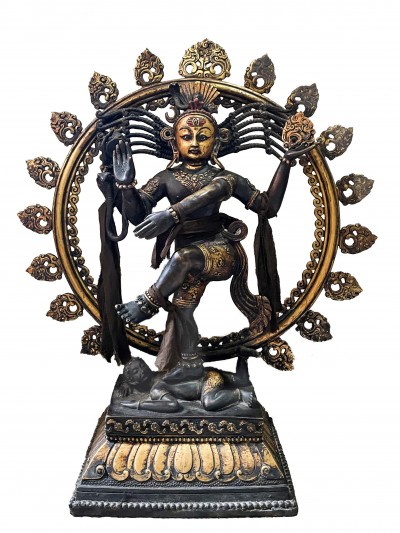
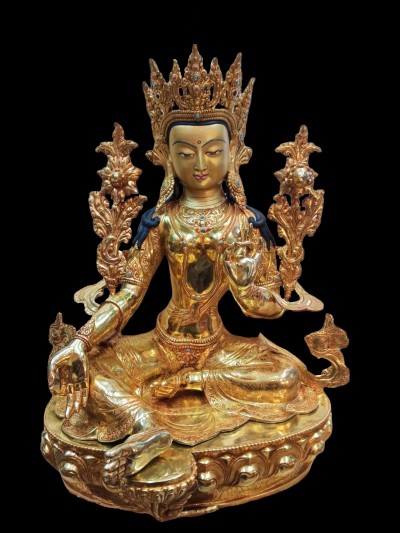
60cm Buddhist Statue Of Green Tara Full Gold Plated Stone Setting Face Painted
Weight : 15kg | [25302]
USD 4125
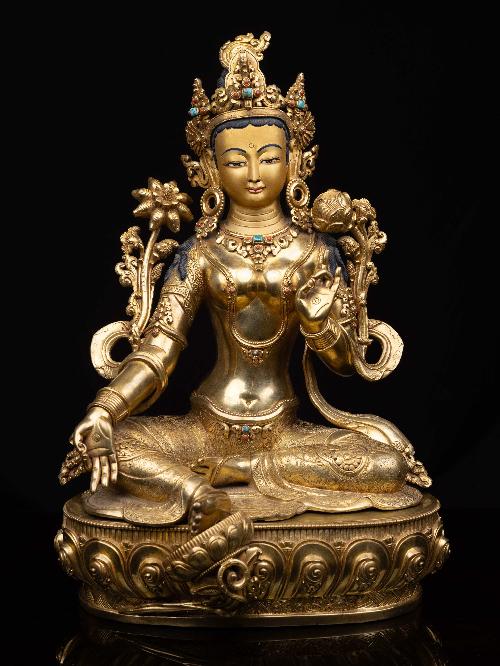
45cm Green Tara Buddhist Handmade Statue Full Gold Plated Face Painted High Quality
Weight : 8.4kg | [34709]
USD 15120
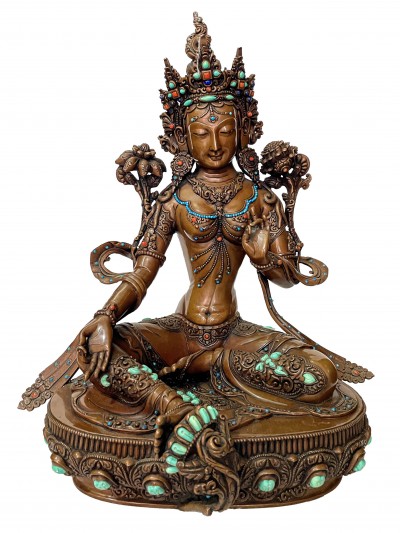
41cm Master Quality Buddhist Statue Of Green Tara Chocolate Oxidized Rare Find
Weight : 5.75kg | [24409]
USD 4875
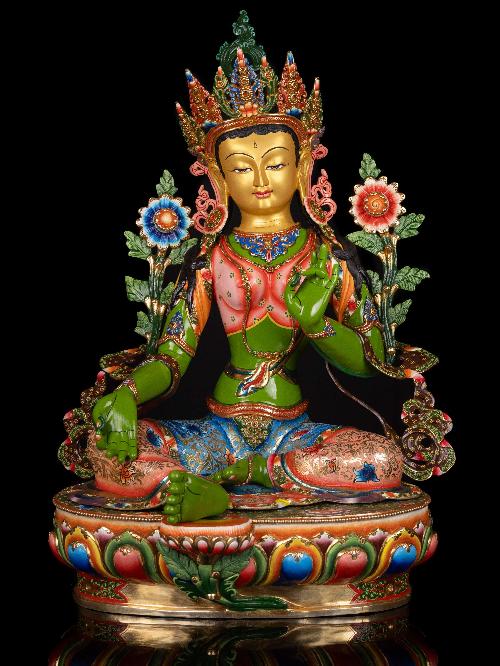
63cm Green Tara Large Handmade Statue Thangka Color Finish Face Painted
Weight : 16.33kg | [36078]
USD 5400
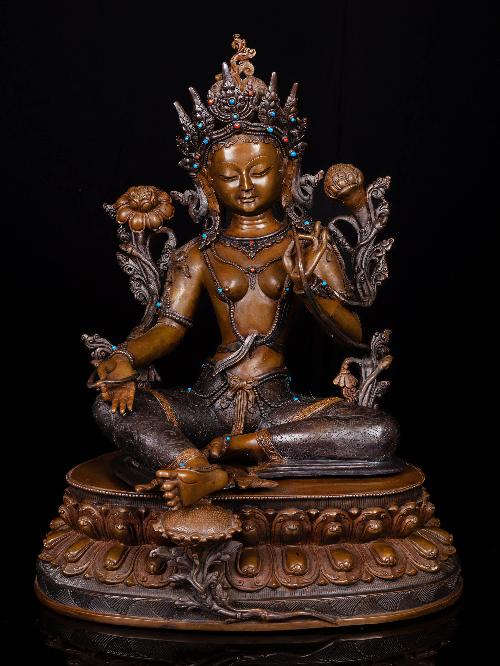
41cm Green Tara With Double Base Handmade Statue Chocolate Oxidized Finish
Weight : 9.55kg | [35686]
USD 1944
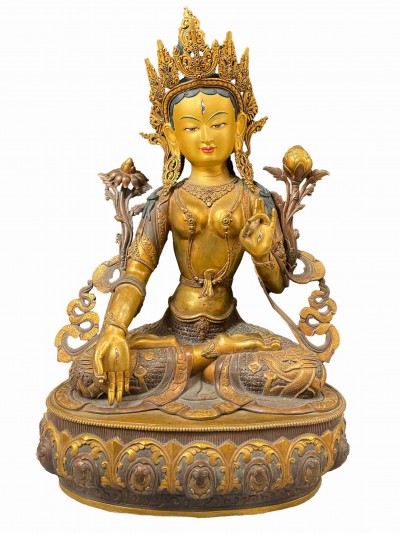
65cm Master Quality Buddhist Statue Of White Tara Partly Gold Plated Antique Face Painted Old Stock Rare Find
Weight : 12.6kg | [25557]
USD 3750
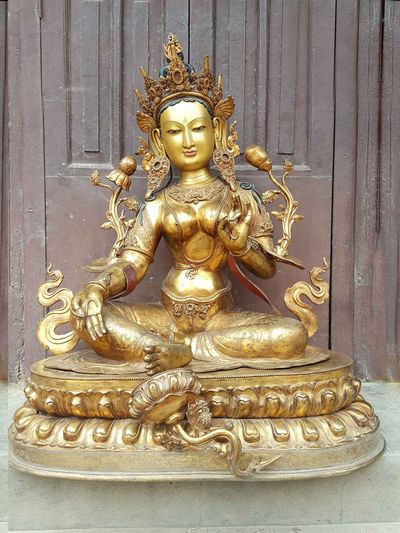
100cm Green Tara Statue Full Fire Gold Plated With Painted Face Big Statue
Weight : 90kg | [15663]
USD 10850