Product Categories
Metal Statues
Thangka & Wall Decor
Sound & Spirituality
Buddhist Ritual Object
![[shakyamuni Buddha], Buddhist Handmade Statue, [full Gold Plated And Face Painted], [stone Setting], [high Quality]](https://www.handmadeexpo.com/pics/product/33479.jpg)

![[shakyamuni Buddha], Buddhist Handmade Statue, [full Gold Plated And Face Painted], [stone Setting], [high Quality]](https://www.handmadeexpo.com/pics/product/thumb/33479.jpg)
![[shakyamuni Buddha], Buddhist Handmade Statue, [full Gold Plated And Face Painted], [stone Setting], [high Quality]](https://www.handmadeexpo.com/pics/product/thumb/33479_0.jpg)
![[shakyamuni Buddha], Buddhist Handmade Statue, [full Gold Plated And Face Painted], [stone Setting], [high Quality]](https://www.handmadeexpo.com/pics/product/thumb/33479_1.jpg)
![[shakyamuni Buddha], Buddhist Handmade Statue, [full Gold Plated And Face Painted], [stone Setting], [high Quality]](https://www.handmadeexpo.com/pics/product/thumb/33479_2.jpg)
Shakyamuni Buddha, Buddhist Handmade Statue, Full Gold Plated and Face Painted, Stone Setting, High Quality
Shakya Thubpa
Shakyamuni Buddha is the historical founder of Buddhism, born as Prince Siddhartha Gautama in ancient Lumbini (present-day Nepal). After attaining complete enlightenment at Bodh Gaya, he spent forty-five years teaching the Middle Way across ancient India. In traditional and contemporary Buddhist art, a Shakyamuni Buddha statue serves as a central devotional object, visualizing the moment of awakening and anchoring meditation, mindfulness, and sacred interior decor.
For spiritual practitioners, art collectors, and sacred art enthusiasts, a handmade Shakyamuni Buddha statue embodies two millennia of philosophical inquiry and artistic refinement. Crafted through Nepal's centuries-old metalworking traditions, these sacred images translate complex spiritual doctrines into physical bronze, copper, and gold.
Shakyamuni Buddha is the historical founder of Buddhism, born as Prince Siddhartha Gautama in ancient Lumbini (present-day Nepal). After attaining complete enlightenment at Bodh Gaya, he spent forty-five years teaching the Middle Way across ancient India. In traditional and contemporary Buddhist art, a Shakyamuni Buddha statue serves as a central devotional object, visualizing the moment of awakening and anchoring meditation, mindfulness, and sacred interior decor.
For spiritual practitioners, art collectors, and sacred art enthusiasts, a handmade Shakyamuni Buddha statue embodies two millennia of philosophical inquiry and artistic refinement. Crafted through Nepal's centuries-old metalworking traditions, these sacred images translate complex spiritual doctrines into physical bronze, copper, and gold.
Gold Painted Face
Artisans paint the face of a Shakyamuni Buddha statue with gold to capture delicate facial expressions, especially around the eyes and lips that metalwork alone cannot express. Beyond the visual beauty, this gold-painting process is a essential Buddhist ritual that readies the statue for consecration and daily meditation. Symbolically, applying gold is believed to breathe life and presence into the piece. It highlights both the artisan's spiritual reverence and their technical mastery, preserving centuries-old craftsmanship while honoring the sacred essence of the Shakyamuni Buddha.
Read More . . .About Elector Gold Plating
The Shakyamuni Buddha has been crafted using the ceramic mold casting process, a modern approach that provides an alternative to traditional methods such as the lost-wax system or rubber molding. Also referred to as ceramic molding, this technique involves the creation of a ceramic mold to cast the statue. The process begins by making a precise and detailed wax model of the desired sculpture. The wax model is then coated with layers of ceramic material, creating a sturdy mold. Once the mold is complete, it is fired in a kiln, causing the wax to melt and escape, leaving behind a cavity that perfectly replicates the original sculpture. Molten metal is then poured into the mold, allowing it to fill the cavity and take on the desired form. Once cooled and solidified, the ceramic mold is carefully broken away, revealing the final metal statue. Read More . . .Lost-Wax System
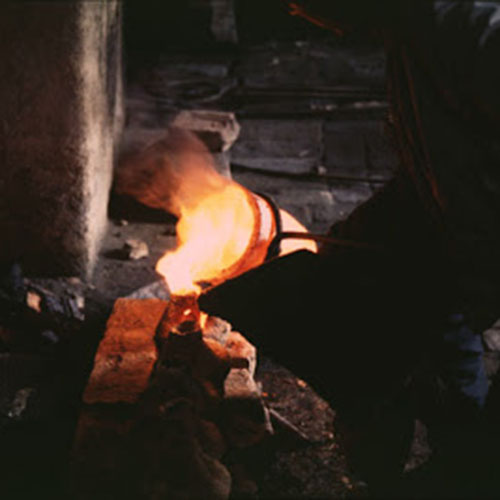
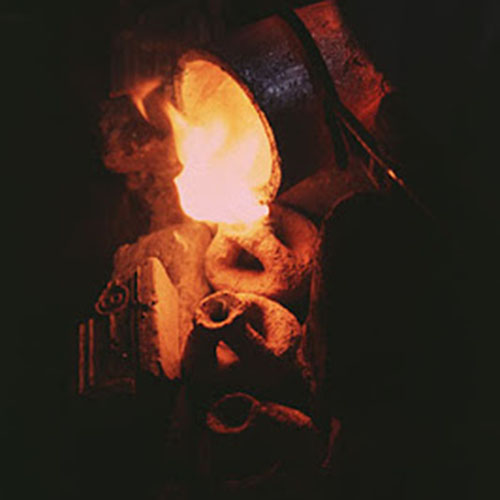
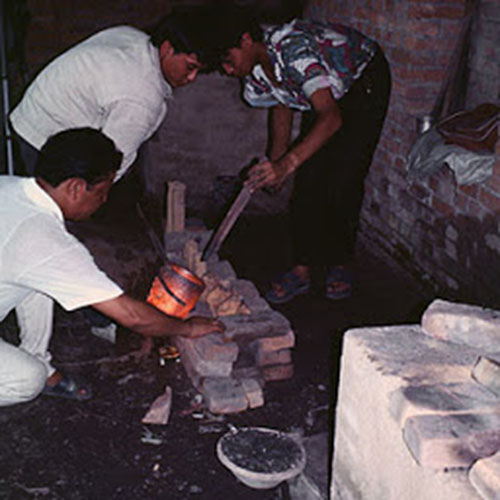
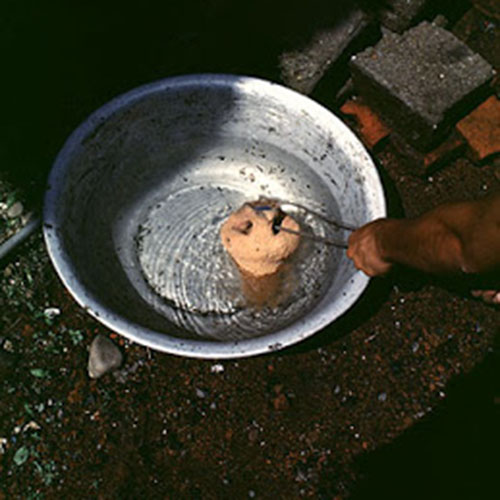
This Buddha of Shakyamuni Buddha is made by the process of the Lost Wax system. This is a very complicated, time consuming and historic process of making metal sculptures.Which is why it is sometimes called Precision Casting as well. Hence the sculptures made by this process are comparatively expensive. There are many new, advanced and less time consuming methods of casting metal sculptures available as well. But due to the benefits provided by the traditional lost wax system in quality control and customization, we prefer the Loss wax system over Ceramic molding, or sand casting to make our Buddha.Below we have tried to illustrate the process of making a loss wax system statue: Read More . . .
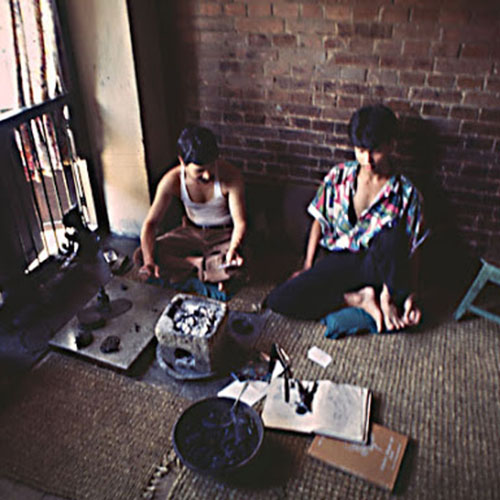
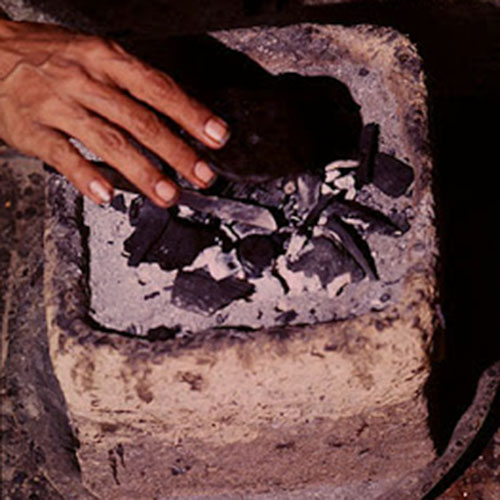
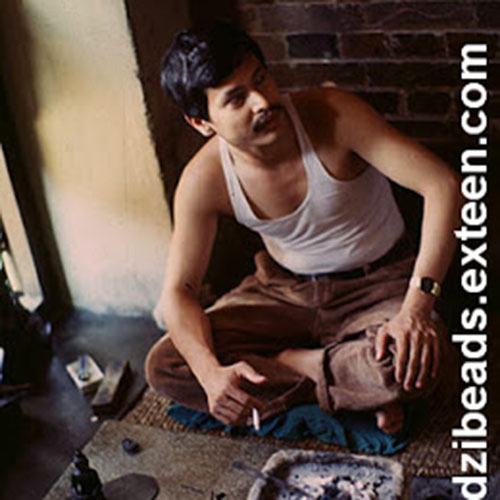
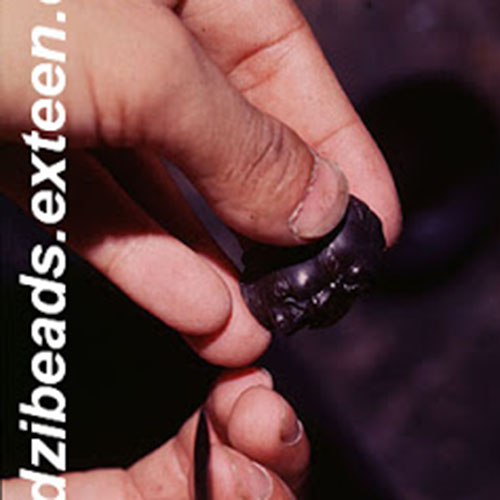
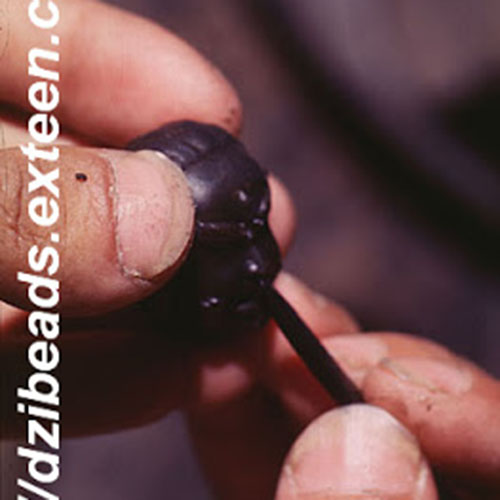
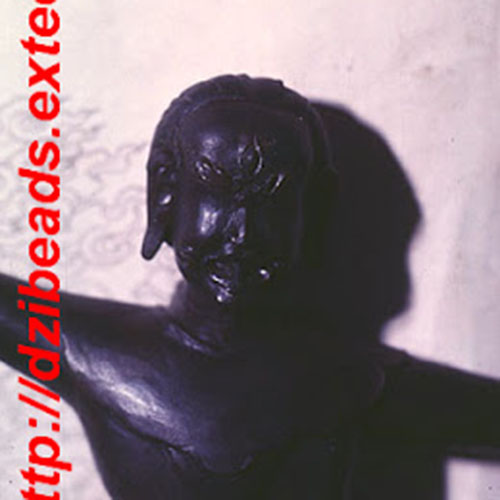
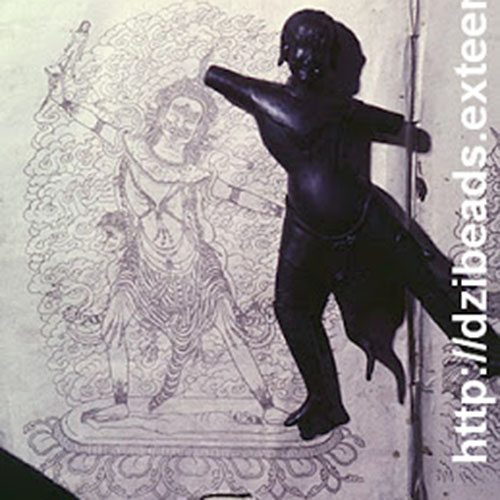
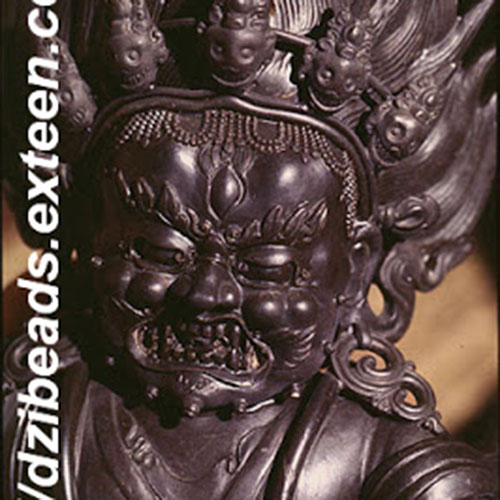
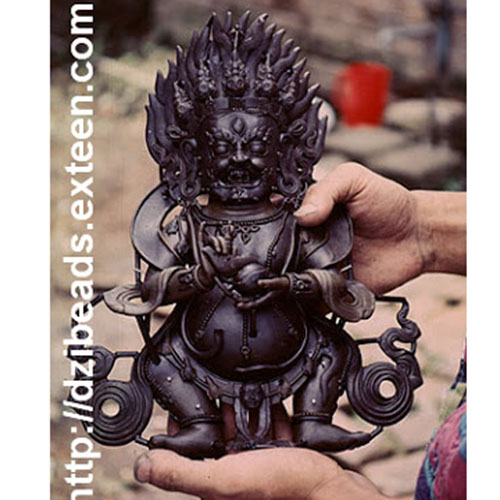
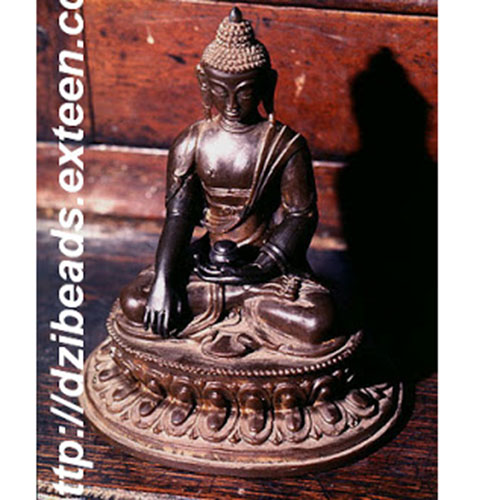
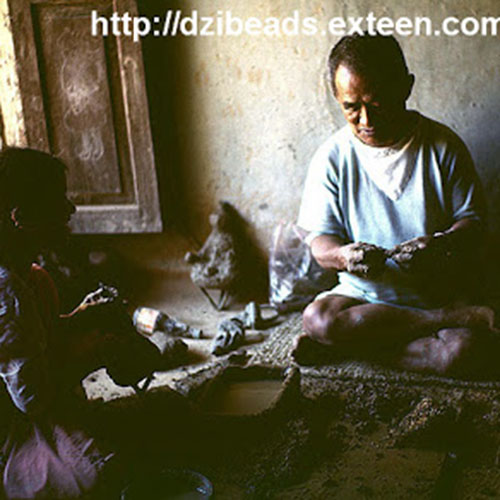
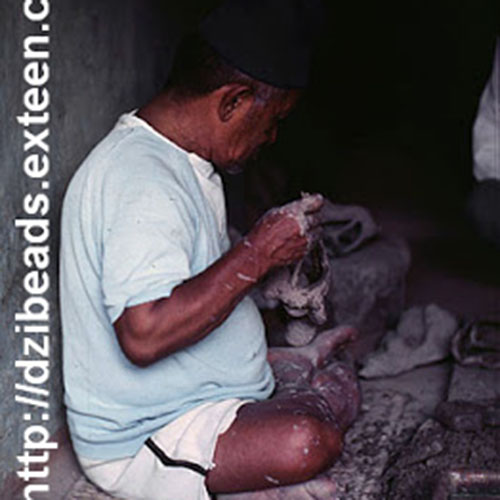
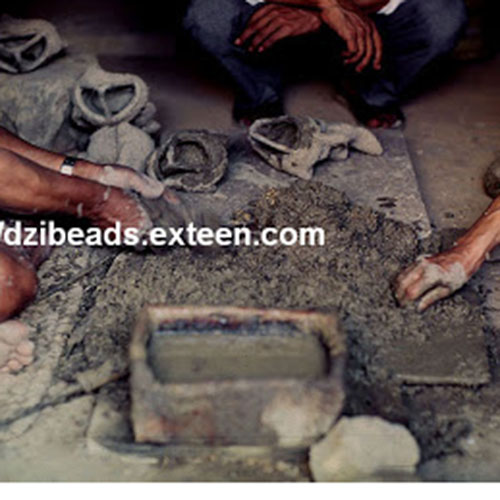
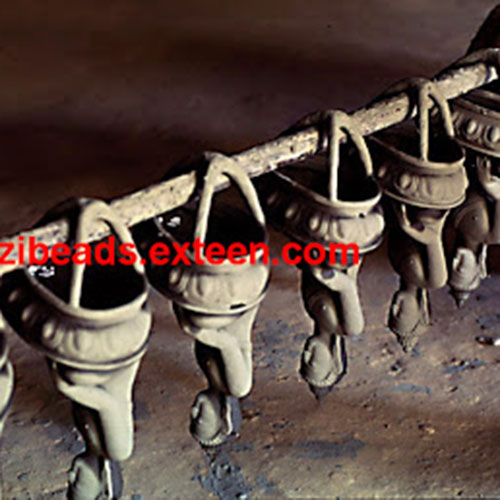
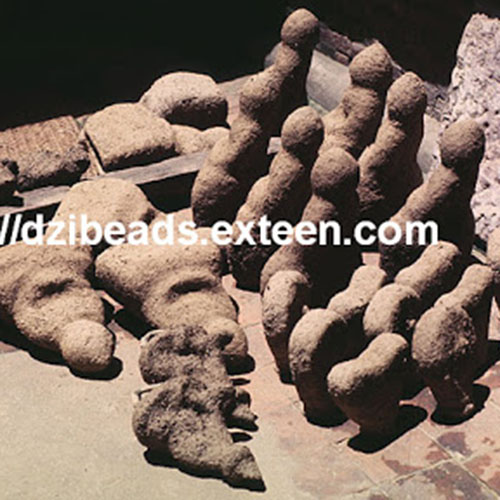
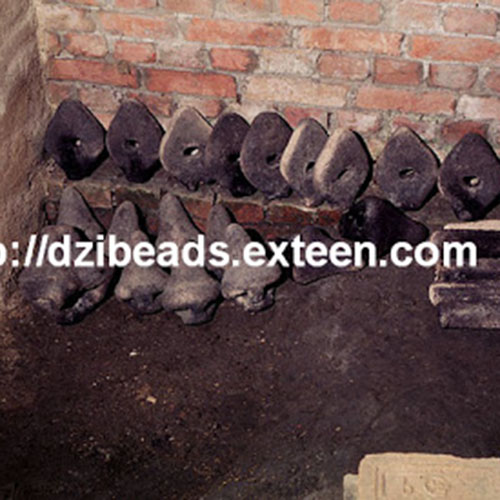
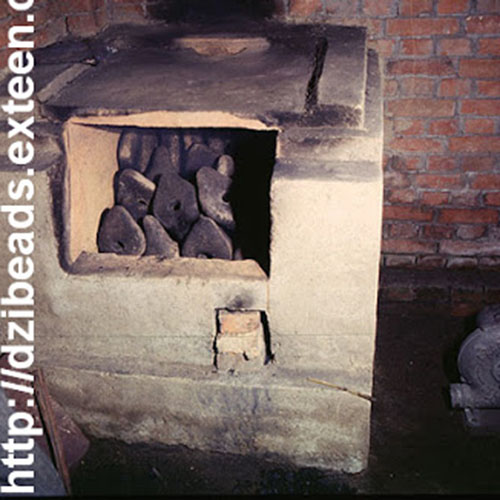
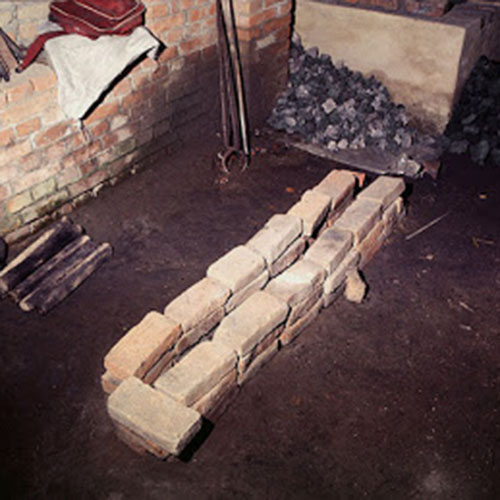
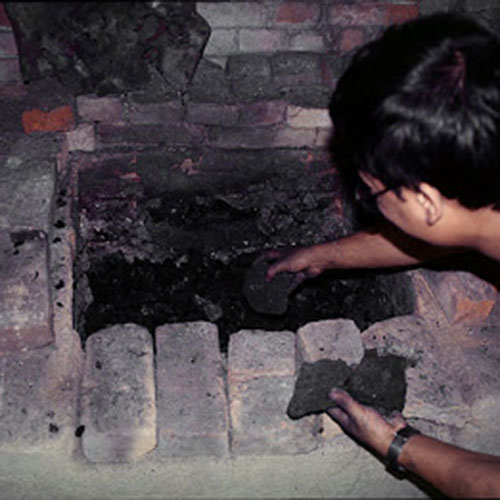
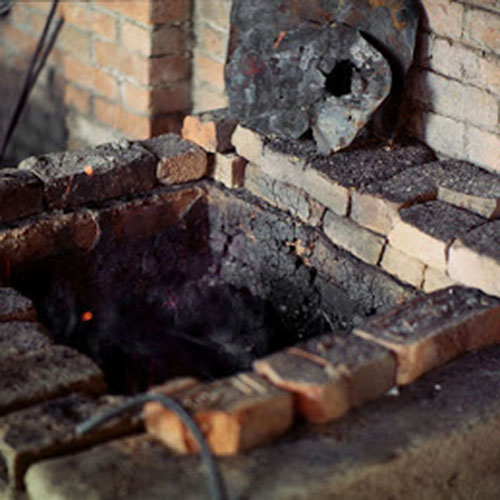
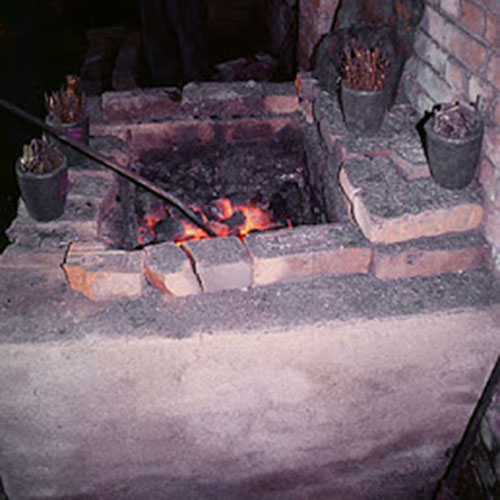
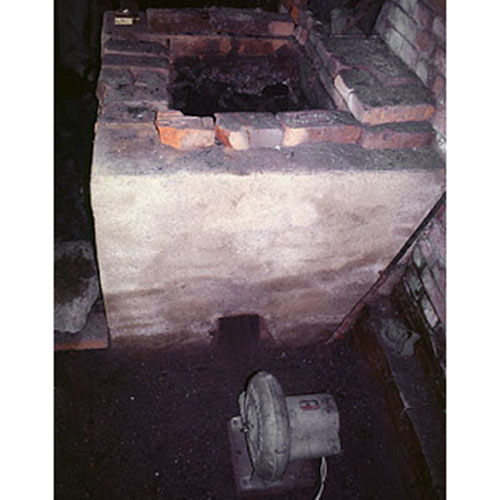
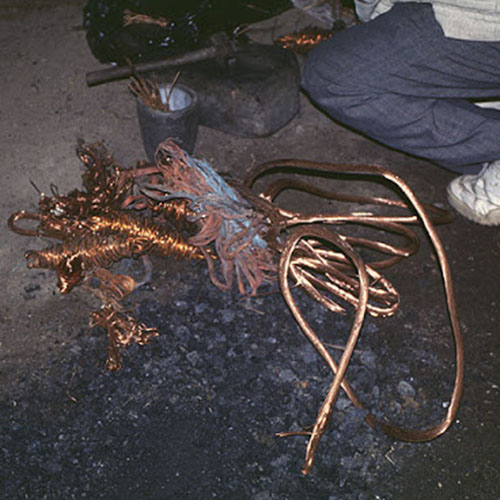
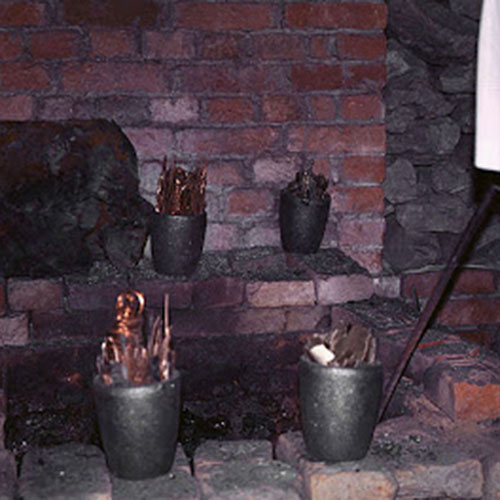
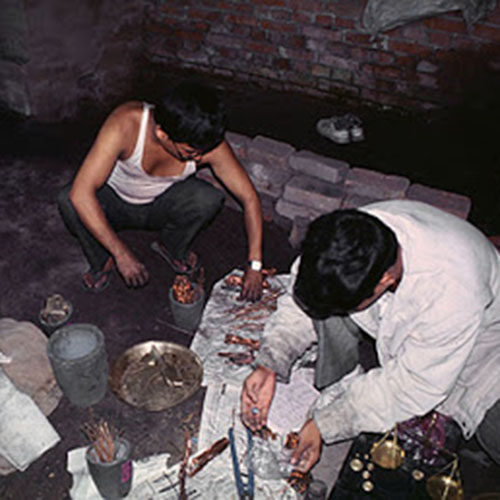
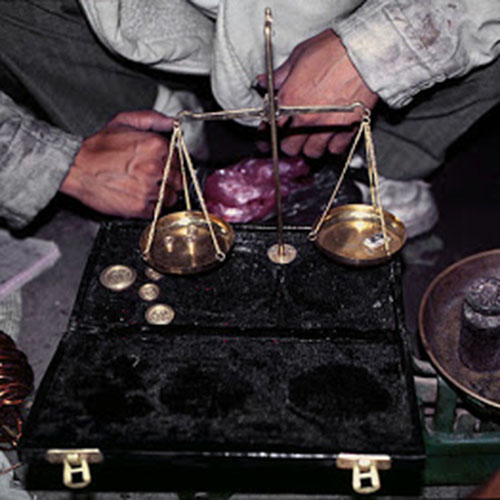
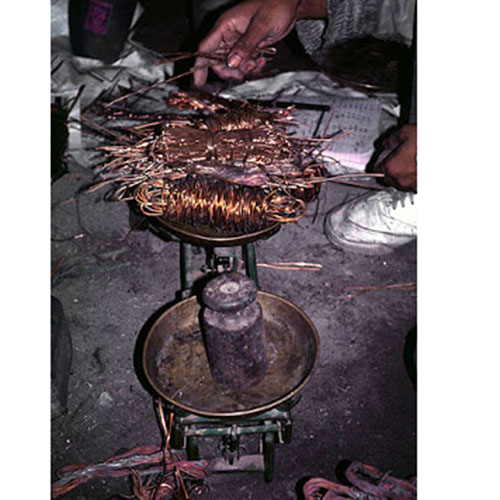
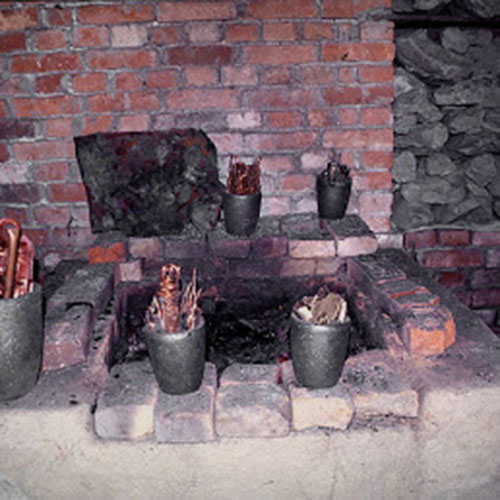
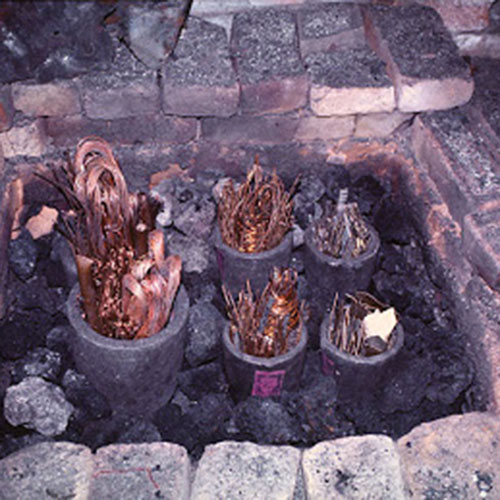
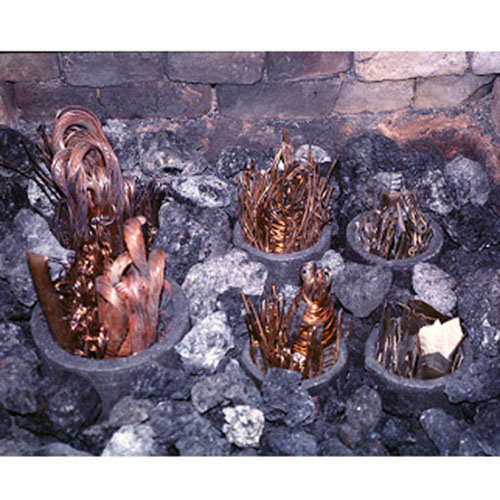
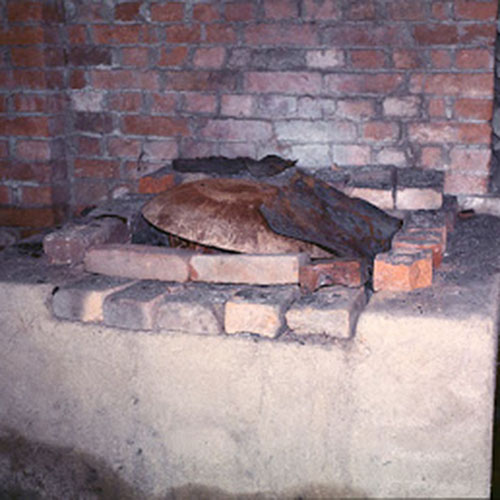
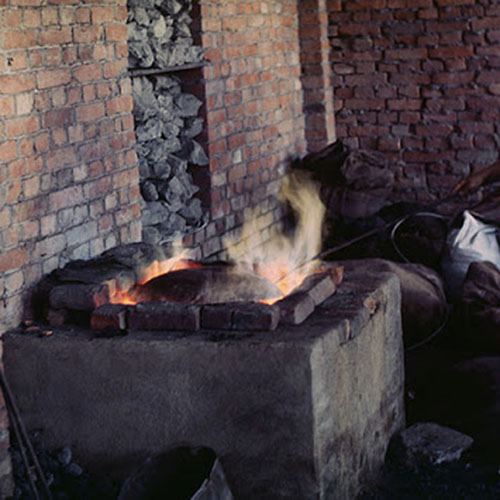
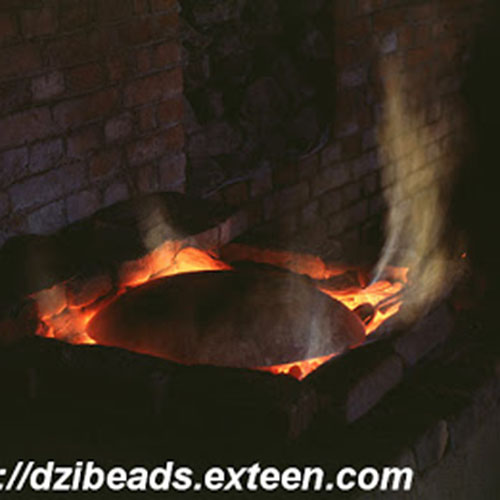
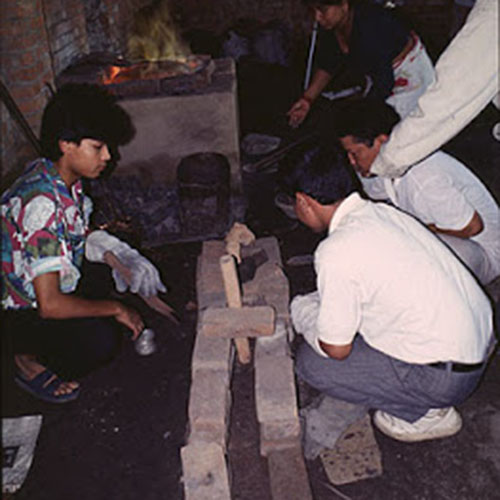
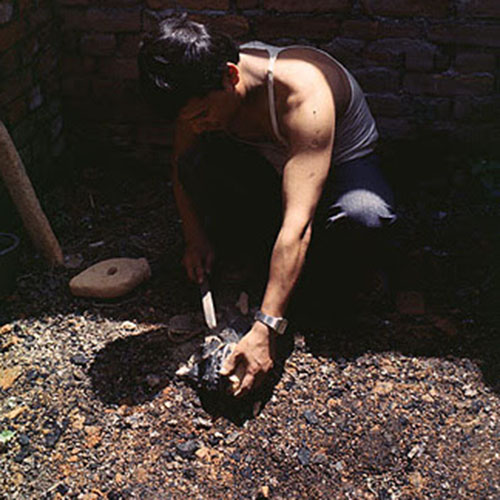
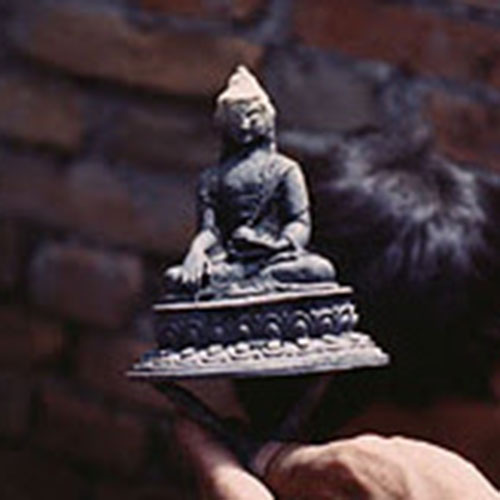
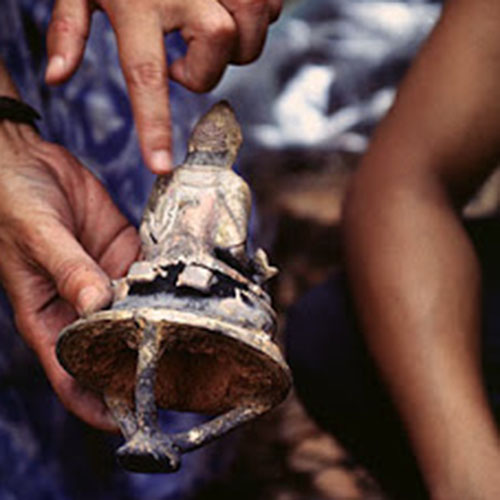
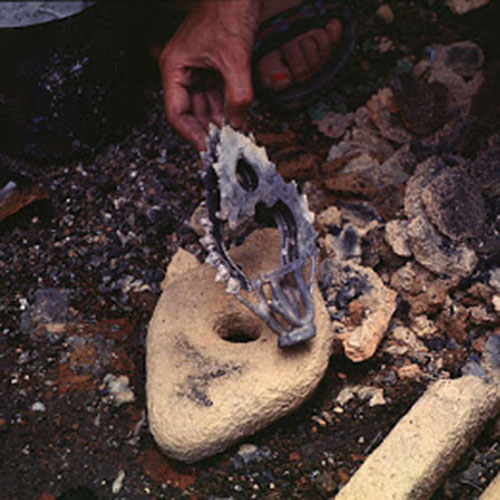
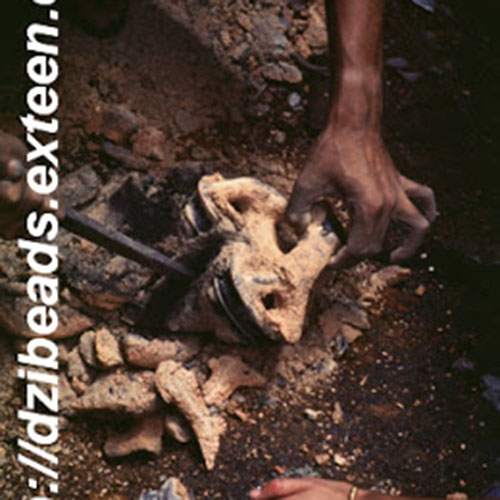
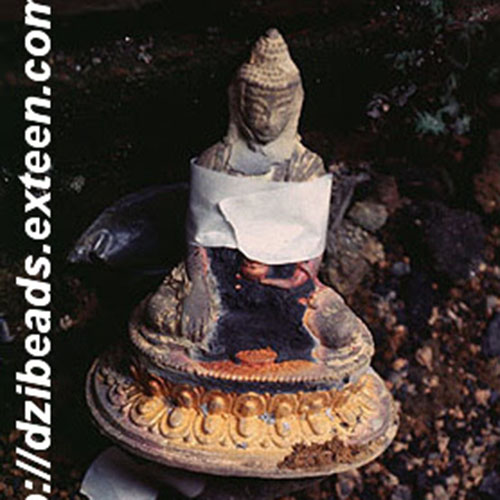
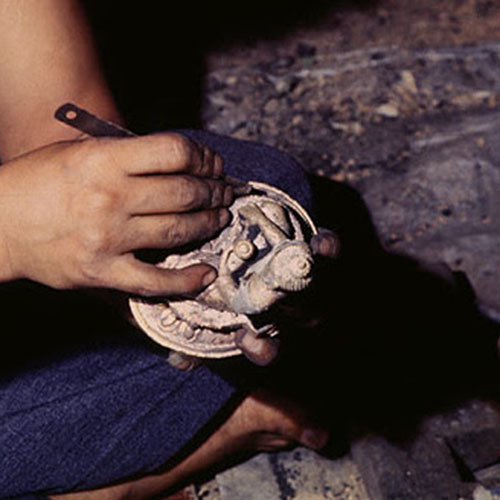
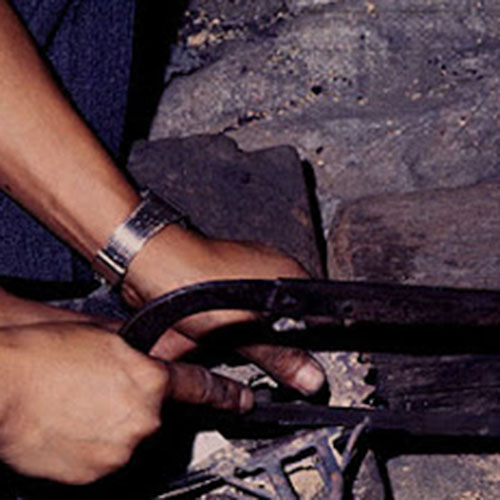
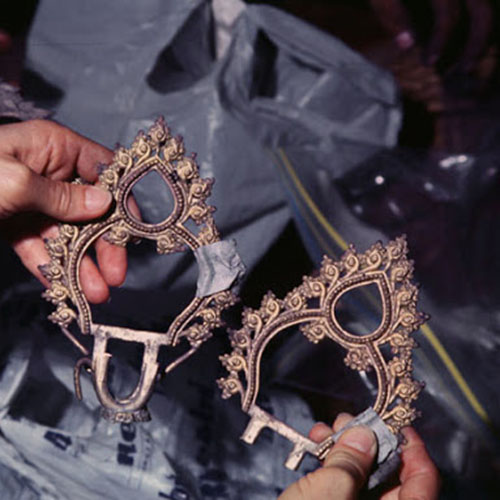

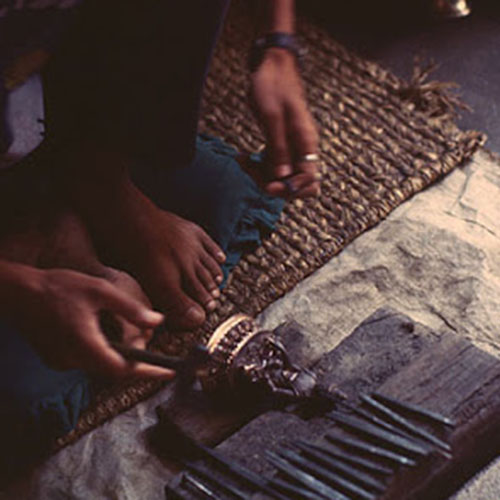
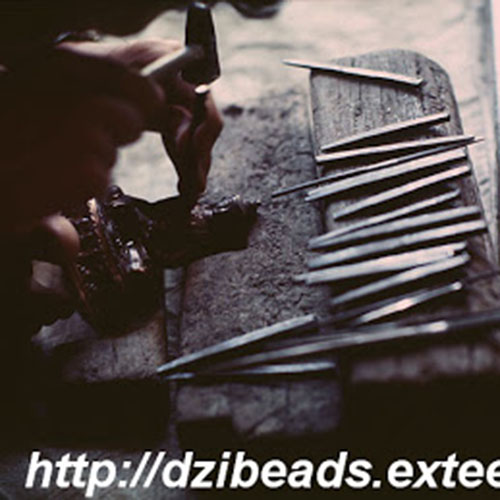
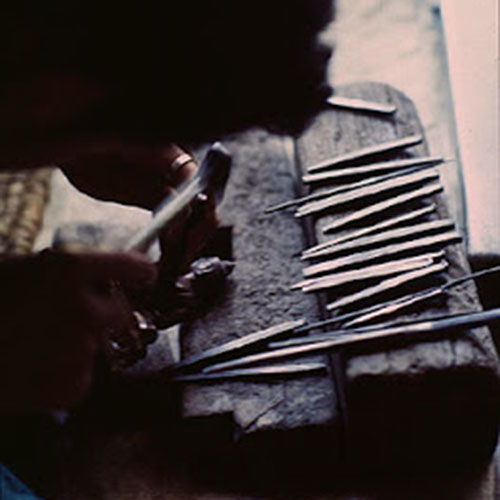

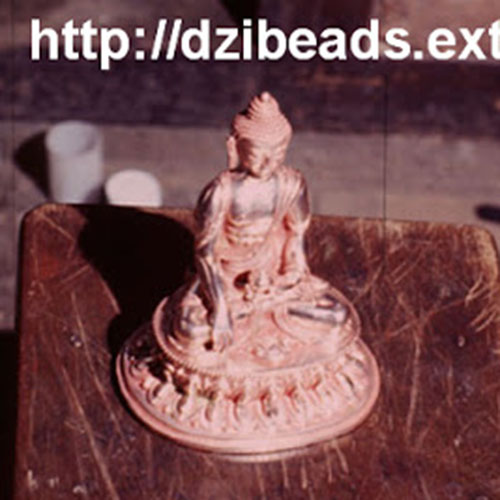
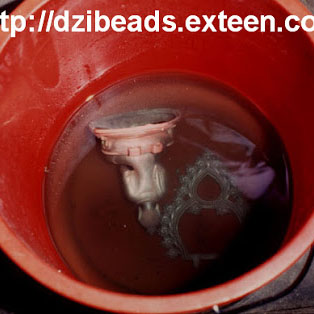
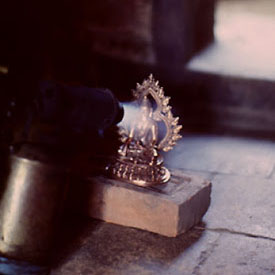
Shakyamuni Buddha is the historical individual whose spiritual breakthroughs laid the foundation for the Buddhist tradition. Prior to his awakening, he was known as Prince Siddhartha Gautama. While Buddhist traditions preserve extensive devotional accounts of his extraordinary origins, modern historical scholarship places his life in the 5th to 6th centuries BCE in the northern Gangetic region. The honorific title Shakyamuni translates literally from Sanskrit as "the Sage (Muni) of the Shakya Clan (Shakya)." This title distinguishes the historical Buddha of our current cosmic era from other transcendent or primordial Buddhas acknowledged in Mahayana and Vajrayana traditions, such as Amitabha or Vairocana. As the historical Buddha, Shakyamuni did not claim divine status or revelatory authority from a creator deity. Instead, he presented himself as a human being who perfected his mind through rigorous ethics, mental cultivation, and direct insight into the fundamental nature of reality (Dharma).
Life of Shakyamuni Buddha
Birth and Early Life in Kapilavastu
According to Buddhist tradition, Siddhartha Gautama was born in the sacred grove of Lumbini while his mother, Queen Mayadevi, was traveling to her parental home. Raised in the royal capital of Kapilavastu by his father, King Suddhodana of the Shakya clan, the young prince was surrounded by luxury. His father sought to shield him from the suffering of the external world, providing three palaces suited for different seasons.
The Four Sights and Renunciation
Despite his sheltered upbringing, Prince Siddhartha encountered four transformative sights outside the palace walls during his late twenties:
- An Old Man: Demonstrating the inevitability of physical decay.
- A Sick Person: Revealing the universal nature of disease and suffering.
- A Corpse: Illustrating the certainty of mortality.
- An Ascetic Monk: Displaying serenity, suggesting a path to transcend worldly suffering.
Recognizing that worldly status and wealth could not protect anyone from aging, sickness, and death, the prince made the radical decision to leave his palace, his wife Yashodhara, and his newborn son Rahula. At age twenty-nine, he undertook Pravrajya (the Great Renunciation) to seek an end to universal suffering.
Spiritual Search and Asceticism
For six years, Siddhartha studied under leading spiritual teachers of the Gangetic plain, including Alara Kalama and Uddaka Ramaputta, quickly mastering their deep meditative states (Jhanas). Realizing that these states did not eliminate fundamental ignorance, he turned to extreme bodily mortification alongside five fellow ascetics. Reduced to near starvation, he recognized that severe asceticism weakened the mind without producing spiritual clarity.
Enlightenment and the Middle Way
Abandoning extreme mortification, Siddhartha accepted a bowl of rice pudding offered by a generous woman named Sujata. Rejuvenated, he established the Middle Way -Â a spiritual path avoiding both sensual indulgence and extreme self-mortification. Sitting beneath a sacred fig tree (Ficus religiosa) in Bodh Gaya, he vowed not to rise until he achieved full liberation from the cycle of rebirth (Samsara).
Formation of the Sangha and Teaching Career
Following his enlightenment, the Buddha traveled to the Deer Park at Sarnath near Varanasi. There, he delivered his first sermon, the Dharmacakrapravartana Sutra ("Setting in Motion the Wheel of the Dharma"), to his five former ascetic companions. This marked the founding of the Sangha (the monastic community). For forty-five years, he walked across northeastern India, teaching men and women from every social class without distinction.
Parinirvana
At the age of eighty, near Kushinagar, the Buddha fell gravely ill after consuming a meal. Lying on his right side between two Sal trees, he gave his final instruction to his assembled disciples: "All compounded things are subject to decay. Strive on with diligence." He then entered deep meditative states and passed into Parinirvana -Â complete release from the cycle of death and rebirth.
The Enlightenment of Shakyamuni Buddha
Enlightenment (Bodhi) in Buddhism refers to the complete cessation of ignorance (Avidya), greed (Raga), and aversion (Dvesha). It is the direct realization of reality as it truly is devoid of a fixed, independent self and characterized by interconnectedness.
Bodh Gaya and the Bodhi Tree
The site of Siddhartha's awakening, Bodh Gaya in Bihar, India, remains the most sacred pilgrimage destination in the Buddhist world. Underneath the Bodhi Tree, during the night of the full moon of Vesak, Siddhartha passed through the four stages of meditative absorption (Jhana). Throughout the night, he experienced three direct insights:
- First Watch: Recollection of all his past lives across countless cosmic cycles.
- Second Watch: The operation of Karma - how beings pass away and are reborn according to their mental and physical actions.
- Third Watch: Direct realization of the Four Noble Truths and the complete eradication of mental defilements (Asavas).
As dawn broke, he emerged as the Buddha -Â the Fully Awakened One.
Shakyamuni Buddha's Main Teachings
1. The Four Noble Truths (Chatvari Aryasatyni)
- Dukkha (Suffering / Imperfection): Existential suffering, change, and conditional existence are inherent to life.
- Samudaya (The Cause of Suffering): Suffering is caused by ignorant craving (Tanha) and attachment to impermanent phenomena.
- Nirodha (The Cessation of Suffering): Suffering ends completely when craving and ignorance are eradicated (Nirvana).
- Magga (The Path to Cessation): The structured practical method to achieve liberation is the Noble Eightfold Path.
2. The Noble Eightfold Path (Ariya Atthangika Magga)
The Eightfold Path is grouped into three functional disciplines:
- Wisdom (Panna): Right View, Right Intention.
- Ethical Conduct (Sila): Right Speech, Right Action, Right Livelihood.
- Mental Discipline (Samadhi): Right Effort, Right Mindfulness, Right Concentration.
3. Core Philosophical Concepts
- The Middle Way (Madhyama Pratipat): Avoiding the extremes of hedonistic indulgence and self-mortification.
- Impermanence (Anicca): All conditioned phenomena are in constant flux; nothing remains static.
- Non-Self (Anatta): There is no permanent, unchanging soul or ego entity within physical or mental processes.
- Dependent Origination (PratÄ«tyasamutpÄda): All phenomena arise in dependence upon causes and conditions.
- Karma: Intentional mental, verbal, and physical actions carry ethical consequences across life streamings.
Shakyamuni Buddha in Buddhist Art :
Sacred art functions not merely as decoration, but as an iconographic textbook designed to communicate spiritual truths across cultural and linguistic boundaries.
Nepalese, Tibetan, and Himalayan Artistic Traditions
In the Himalayan region specifically Nepal and Tibet, Buddhist art developed sophisticated iconographic standards guided by ancient Sanskrit manuals (Chitrasutras and Pratima Lakshanas).
Nepalese Metalwork: Newar artisans of the Kathmandu Valley became famous throughout Asia for their bronze and copper statues, prized for graceful physical proportions, delicate filigree, and fire-gilding techniques.
Tibetan Sacred Art: Tibetan traditions emphasize vibrant iconographic painting (Thangka) and metal statuary, integrating complex Vajrayana symbolism, halos, and elaborate lotus thrones.
Shakyamuni Buddha Statue: Meaning and Symbolism
Every detail of a traditional Shakyamuni Buddha statue conveys a specific theological or historical meaning.
Meditation Posture (Vajrasana / Padmasana): The full-lotus position with crossed legs and upward-facing soles symbolizes stability, unshakable resolve, and deep meditative focus.
Lotus Seat (Padmapitha): Rising pristine out of muddy water, the lotus symbolizes spiritual purity and liberation amidst worldly samsara.
Ushnisha (Cranial Protuberance): The rounded crown atop the Buddha's head represents supreme wisdom and spiritual awakening.
Urna (Auspicious Mark): A small tuft of hair or dot between the eyebrows signifies spiritual vision and divine insight.
Elongated Earlobes: A reminder of his early life as Prince Siddhartha, when heavy royal earrings stretched his ears. Cast off upon his renunciation, they symbolize letting go of material wealth.
Monastic Robes (Civara): Simple draped robes worn over one or both shoulders symbolize humility, renunciation, and monastic discipline.
Calm Facial Expression: Subtle downward-cast eyes and a gentle smile illustrate inner peace, compassion (Karuna), and emotional equilibrium.
Earth-Touching Hand (Bhumisparsha): The right hand extending downward over the knee, fingertips touching the earth, recalls the precise moment when the Buddha called the Earth Goddess (Vasudhara or Sthavara) to witness his right to attain enlightenment.
Different Shakyamuni Buddha Mudras
Mudras are sacred hand gestures used in Buddhist art and ritual to denote specific mental states or historical events.
| Mudra Name | Gesture Description | Spiritual Significance |
Bhumisparsha | Right hand touching earth | Moment of enlightenment |
Dhyana | Hands rested atop each other in lap, palms facing up | Deep meditation Concentration & calm |
| Dharmachakra (Wheel of Dharma) | Hands held at chest level Thumbs & forefingers forming circles | First sermon at Sarnath |
| Abhaya (Fearlessness) | Right hand raised upward with palm facing outward | Protection, peace, and dispelling of fear |
Shakyamuni Buddha Statues from Nepal
Nepal and particularly Patan (Lalitpur) in the Kathmandu Valley holds an unbroken lineage of sacred metal sculpture dating back over 1,500 years.
Newar Craftsmanship: Newar artisans are celebrated historically for supplying sacred statues to monasteries across Tibet, Bhutan, and China.
Hand-Carved Detail: Unlike mass-manufactured, factory-cast items, authentic Nepalese statues are hand-chased with chisels and hammers to carve intricate robe borders, lotus petals, and facial features.
Mercury Gold Gilding (24K Gold Finish): Master artists apply traditional 24K gold gilding onto copper alloy bases, creating a glowing, durable finish that lasts for generations.
How Shakyamuni Buddha Statues Are Made
The creation of an authentic Nepalese metal statue follows the traditional lost-wax casting process (Cire Perdue):
- Wax Modeling: Sculpting the initial form. The master sculptor manually carves the statue out of natural beeswax and resin, establishing every facial expression, body contour, and sacred proportion according to classical scriptural measurements.
- Mold Preparation: Applying specialized clay layers. The wax model is encased in multiple layers of specialized clay made from local river mud, rice husks, and cow dung to form a solid outer mold.
- Dewaxing: Melting out the inner wax core. The dried clay mold is heated over an open fire. The melted wax drains out through lower spouts, leaving a hollow cavity inside the clay block.
- Molten Metal Pouring: Filling the void with molten bronze or copper. High-grade copper alloy or bronze is melted at temperatures exceeding 1,000°C and poured into the heated clay mold, occupying the exact space left by the wax.
- Chasing and Carving: Refining details by hand. Once cooled, the clay mold is broken open. Master craftsmen hand-chase the raw metal casting using steel chisels to refine hair curls, robe embroidery, and facial features.
- Gilding and Face Painting: Applying gold leaf and cold gold powder. The statue is gilded using 24K gold leaf or mercury gold fire-gilding. The face is painted using natural mineral pigments mixed with fine gold powder (Cold Gold finish).
Where to Place a Shakyamuni Buddha Statue :
Respectful placement creates an atmosphere conducive to contemplation and spiritual respect:
- Elevated Height: Place the statue above floor level (ideally at or above eye level when seated) on a clean shelf, altar, or sturdy table.
- Clean, Quiet Location: Position the image in a quiet room designated for meditation, reading, or quiet reflection.
- Facing Direction: Traditionally, placing the statue facing East toward the rising sun symbolizes awakening.
- Things to Avoid: Avoid placing Buddha images directly on the bare floor, inside bathrooms, in cramped storage areas, or under staircases. Treat the statue as a visual reminder of wisdom and compassion rather than a decorative trinket.
Shakyamuni Buddha Statue for Meditation and Practice
In Buddhist practice, an image of the Buddha (Rupa) acts as a focus for meditation (Buddhanusmriti, recollection of the Buddha's qualities).
A sacred statue is not worshipped as an idol containing a living deity. Instead, it serves as a visual mirror reflecting the practitioner's inherent capacity for wisdom, peace, and awakening. Sitting before a quiet, gracefully carved Buddha image helps calm the mind and reinforce one's commitment to ethical living and mindfulness.
Buying a Handmade Shakyamuni Buddha Statue from Nepal
When purchasing an authentic Nepalese sculpture online through specialized curators like HandicraftSeller.com, keep these considerations in mind:
- Handmade vs. Machine-Molded: Machine-cast statues feature flat, uniform surfaces with dull, repetitive detailing. Handmade lost-wax statues feature subtle hand-carving, rich texturing, and unique character.
- Iconographic Accuracy: Ensure key features such as the ushnisha, earlobes, and mudra, adhere to traditional iconography.
- Weight and Solid Feel: High-quality lost-wax metal castings carry substantial weight due to dense copper alloys.
- International Shipping & Custom Packaging: Ensure your seller uses wood-reinforced, padded packaging to protect delicate lotus leaves, mudra fingers, and gold surfaces during transit.
Why Collectors Value Nepalese Buddhist Statues
Nepalese Buddhist sculptures are world-renowned, held in major museum collections including the Metropolitan Museum of Art and the Victoria and Albert Museum. Collectors appreciate these statues for:
- Centuries of Living Heritage: Nepal's Newar metalworking traditions represent one of the world's longest unbroken lineages of sacred sculpture.
- Uncompromising Craftsmanship: Each lost-wax mold is destroyed during casting, making every finished statue a unique piece of art.
- Cultural and Spiritual Value: Created by skilled artisans who learn their craft across generations, these statues carry deep cultural heritage and spiritual artistic integrity.
What People Want to Know About Shakyamuni Buddha :
Who is Shakyamuni Buddha?
Shakyamuni Buddha is the historical founder of Buddhism, born as Prince Siddhartha Gautama in ancient Lumbini (modern-day Nepal) during the 5thâ6th century BCE. After achieving complete enlightenment beneath the Bodhi tree in Bodh Gaya, India, he spent forty-five years teaching the Middle Way, the Four Noble Truths, and the Eightfold Path across ancient Asia.
What does the name "Shakyamuni" mean?
The name Shakyamuni comes from Sanskrit and translates to "Sage of the Shakya Clan." "Shakya" refers to the royal ruling clan into which Siddhartha Gautama was born, while "Muni" signifies a silent sage, enlightened ascetic, or spiritual master who has mastered his mind and speech.
Is Shakyamuni Buddha the same as Gautama Buddha?
Yes, Shakyamuni Buddha and Gautama Buddha refer to the exact same historical individual. "Gautama" was his family name (Gotama in Pali), while "Shakyamuni" is his honorific title meaning "Sage of the Shakya Clan." Both titles distinguish the historical founder of Buddhism from other Buddhas mentioned in Buddhist scriptures.
Where did Shakyamuni Buddha attain enlightenment?
Shakyamuni Buddha attained full enlightenment at Bodh Gaya, located in the modern state of Bihar, India. He reached complete liberation while seated in deep meditation beneath a sacred fig tree, known ever since as the Bodhi Tree (Ficus religiosa), during the night of the full moon of Vesak.
What mudra is most strongly associated with Shakyamuni Buddha?
The mudra most strongly associated with Shakyamuni Buddha is the Bhumisparsha Mudra (the Earth-Touching Gesture). In this posture, the Buddha sits in full lotus while extending his right hand downward over his knee, pressing his fingertips to the ground to call the Earth as witness to his enlightenment.
What does the Bhumisparsha Mudra mean?
The Bhumisparsha Mudra symbolizes the precise moment of Buddha's enlightenment under the Bodhi tree. When the demon king Mara challenged Siddhartha's right to attain liberation, Siddhartha touched the earth, asking the Earth Goddess to testify to his countless lives of selfless virtue and practice. The earth roared in affirmation, defeating Mara's forces.
What is the difference between Shakyamuni Buddha and Maitreya Buddha?
Shakyamuni Buddha is the historical Buddha of our current cosmic era who lived in the 5thâ6th century BCE. Maitreya Buddha is currently considered a Bodhisattva residing in the Tushita heaven, who is prophesied to appear on Earth in the distant future as the next historical Buddha when the Dhamma has been forgotten.
What is the difference between Shakyamuni Buddha and Amitabha Buddha?
Shakyamuni Buddha is the physical, historical Buddha who lived and taught in India. Amitabha Buddha is a celestial Buddha featured prominently in Mahayana and Pure Land Buddhism, who reigns over the Western Pure Land of Sukhavati and embodies infinite light and compassion.
What does a Shakyamuni Buddha statue symbolize?
A Shakyamuni Buddha statue symbolizes the ultimate human potential for wisdom, mental clarity, compassion, and liberation from suffering. Every visual detail from the cranial bump (ushnisha) denoting spiritual insight to the calm facial expression serves as a visual embodiment of the Buddha's enlightened qualities and teachings.
Where should I place a Shakyamuni Buddha statue at home?
Place a Shakyamuni Buddha statue in a clean, quiet, and elevated space, ideally at or above eye level when seated. Position it on a clean altar or shelf in your meditation area, living room, or office. Avoid placing statues directly on the floor, in bathrooms, or in cramped, chaotic locations.
What is the best material for a Buddha statue?
Solid copper alloy with hand-gilded gold finishing is widely considered the best material for authentic Himalayan Buddha statues. Copper allows master sculptors to achieve intricate hand-chased details, holds traditional gold leaf fire-gilding for centuries, and carries substantial weight and structural durability.
How are Nepalese Buddha statues made?
Nepalese Buddha statues are created using the traditional lost-wax casting method (Cire Perdue). Master artisans sculpt a detailed wax model, cover it in clay, melt out the wax, and pour molten copper alloy into the void. Once cooled, craftsmen break the clay mold and hand-chase, polish, and gold-gild the sculpture.
What is lost-wax casting in Buddhist art?
Lost-wax casting is an ancient metallurgical technique where a sculpture is first modeled in wax, covered in clay, and fired to melt the wax away. Molten metal is poured into the cavity left by the wax. Because the clay mold is broken open to extract the bronze casting, every single lost-wax statue is unique.
Is a Shakyamuni Buddha statue suitable for meditation practice?
Yes, a Shakyamuni Buddha statue is an excellent visual object for meditation practice (Buddhanusmriti). Placing a serene Buddha image in your meditation area provides a grounding focal point that promotes mental calm, mindfulness, and recollection of wisdom and compassion during meditation sessions.
How do I choose an authentic Nepalese Buddha statue?
Choose an authentic Nepalese Buddha statue by evaluating the quality of hand-chasing, facial symmetry, iconographic accuracy, material weight, and finish. Look for traditional lost-wax statues crafted from copper alloys with 24K gold gilding, sourced from reputable curators working directly with artisan families in Patan, Nepal.
Mantra of Shakyamuni buddha
You may also want to read the related articles :
Gold Plating in Statues | Making Process Of Metal Statues | Videos of statue Making Process | Service of Filling and blessing in Statue | Altering Finishing in StatueAt Handicraft Seller, we believe in providing a seamless and user-friendly experience to our valued customers. While our website is not an online shopping platform, we have incorporated a shopping cart system to simplify the process of sending us your inquiries. Please follow the steps below to place your order:
Step 1: Browsing the Selection
Explore our website to discover a delightful array of authentic Nepali handicraft products.
Click on the products you are interested in to view detailed descriptions and images.
Step 2: Adding Items to Your Inquiry Cart
To express your interest in a particular product, click the "Add to Inquiry Cart" button associated with that item.
The shopping cart will accumulate your selected products, providing a convenient way to organize your choices.
Step 3: Reviewing Your Inquiry Cart
Once you have finished selecting the items you wish to inquire about, review your "Inquiry Cart" to ensure accuracy.
Step 4: Sending Your Inquiries
Proceed to submit your inquiries by clicking the "Submit Inquiry" button.
A form will prompt you to provide your contact details, the selected products, and any specific queries you may have.
Step 5: Communicating through Email
As we do not have an automated payment system, we will conduct the business process through email.
Our team will review your inquiries and respond via email, offering further assistance and guidance.
Step 6: Clarifying Details and Finalizing Your Order
Engage in direct communication with our team to clarify any additional information or customization requests.
Once you are satisfied with the details, we will provide you with payment instructions and confirm the order.
Step 7: Completing the Transaction
Make the payment through the designated method as provided in the email.
After receiving the payment, we will process your order and prepare it for shipment.
Step 8: Shipping and Delivery
We offer worldwide shipping for all our products.
Once your order is dispatched, we will provide you with shipping details and tracking information.
Step 9: Receiving and Enjoying Your Handicrafts
Wait for your exquisite handicrafts to arrive at your doorstep.
Unpack and revel in the beauty and craftsmanship of your chosen Nepali treasures.
Contacting Us
If you encounter any complications while submitting your inquiries or need further assistance, please feel free to contact us.
Preferably, reach out to us through WhatsApp or email for prompt responses and support.
We hope this straightforward ordering process ensures a delightful and satisfying experience with Handicraft Seller. Thank you for choosing us to connect you with the rich heritage of Nepali handicrafts.
Return Policy
We have a 7 days money back policy but buyer have to pay the return shipping charges.
Shipping
- Shipping cost is calculated, based on the shipping weight of the products ordered. THe normal Shipping cost is US$25 for upto 0.5 kgs weight
- We ship Worldwide, Except Russia and India.
- The deliver duration varies for international Shipping location. We normally dispatch the product in 2 -3 business days. Else Buyer will be infromed Personally about the shipping.
Related Products
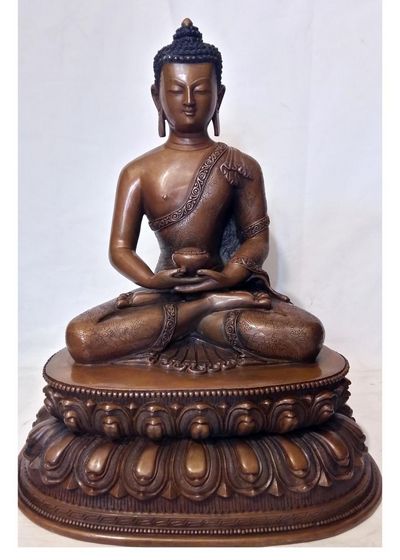

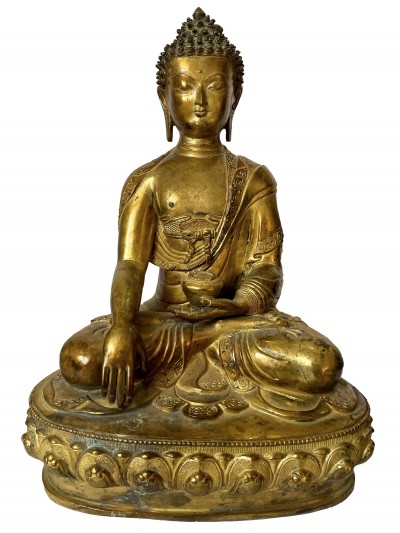
34cm Nepali Statue Of Shakyamuni Buddha Copper Gold Plated Antique Finishing
Weight : 4kg | [22227]
USD 675
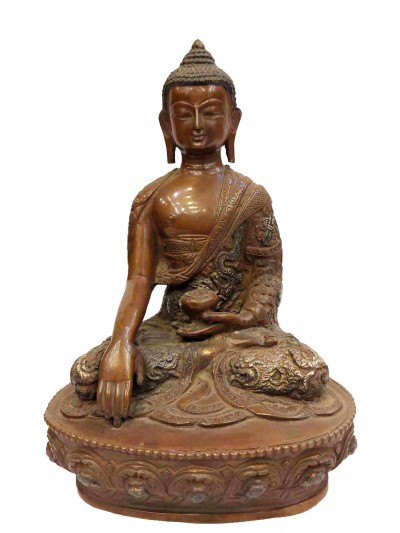
20cm Buddhist Handmade Statue Of Shakyamuni Buddha Chocolate Oxidized
Weight : 1.43kg | [26150]
USD 600
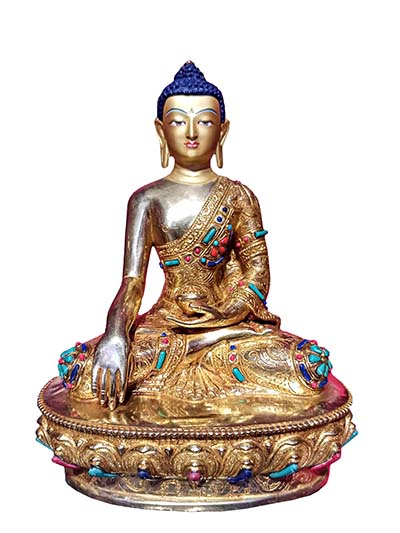
23cm Buddhist Handmade Statue Of Shakyamuni Buddha Face Painted Gold Plated Stone Setting
Weight : 1.5kg | [28512]
USD 570
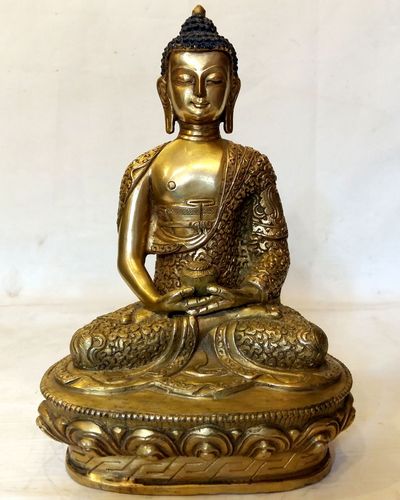
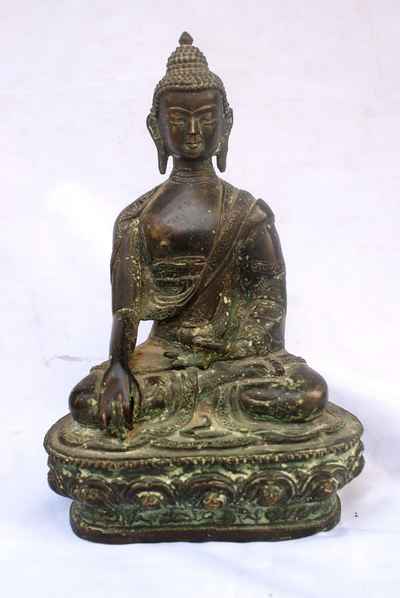
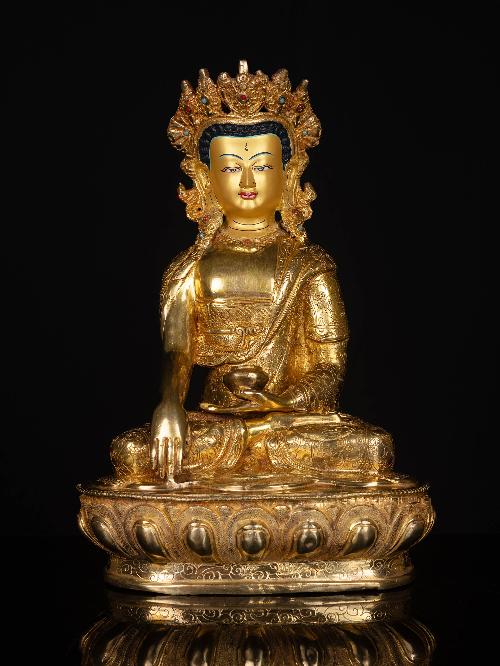
32cm Crown Shakyamuni Buddha Buddhist Statue Full Gold Plated Stone Setting Face Painted
Weight : 3.5kg | [35659]
USD 821