Product Categories
Metal Statues
Thangka & Wall Decor
Sound & Spirituality
Buddhist Ritual Object
![Statue Of Maitreya Buddha [full Gold Plated], [painted Face], [deep Hand Carving]](https://www.handmadeexpo.com/pics/product/15779.jpg)

![Statue Of Maitreya Buddha [full Gold Plated], [painted Face], [deep Hand Carving]](https://www.handmadeexpo.com/pics/product/thumb/15779.jpg)
![Statue Of Maitreya Buddha [full Gold Plated], [painted Face], [deep Hand Carving]](https://www.handmadeexpo.com/pics/product/thumb/15779_0.jpg)
![Statue Of Maitreya Buddha [full Gold Plated], [painted Face], [deep Hand Carving]](https://www.handmadeexpo.com/pics/product/thumb/15779_1.jpg)
![Statue Of Maitreya Buddha [full Gold Plated], [painted Face], [deep Hand Carving]](https://www.handmadeexpo.com/pics/product/thumb/15779_2.jpg)
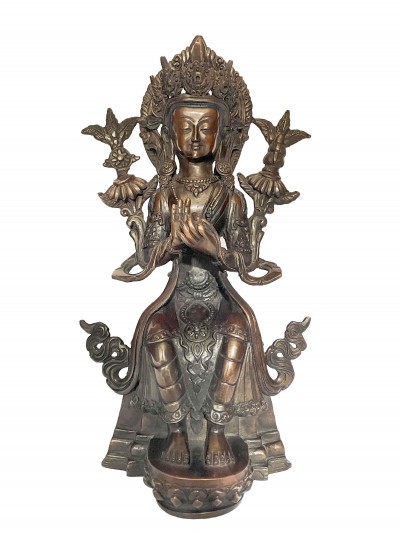
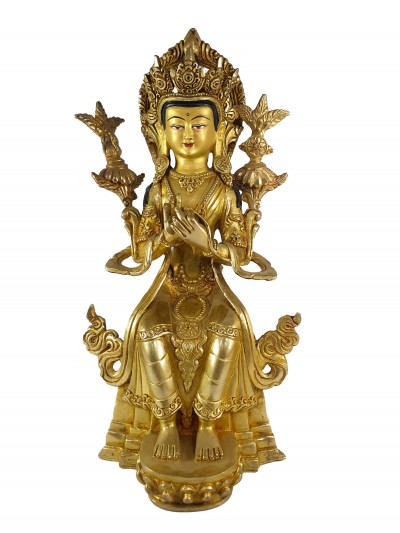
Statue of Maitreya Buddha Full Gold Plated, Painted Face, Deep Hand Carving
The face of Maitreya Buddha is painted with gold to enhance its significant features, particularly the eyes, and lips. This detailed painting is essential as it brings forth the crucial attributes of the expression of eyes and lips that metal carving alone cannot capture.
Moreover, the painted face serves as a symbolic and sacred ritual in Buddhism, preparing the statue for consecration and practice. The act of painting the face with gold in Buddhism holds deep meaning. It represents the intention to bring life and expression to the statue, imbuing it with a sense of vitality and presence. The application of gold on the face showcases the devotion and craftsmanship of the artisans, ensuring that every detail is carefully attended to honor the sacred essence of the Maitreya Buddha. Read More . . .
The Maitreya Buddha has been crafted using the ceramic mold casting process, a modern approach that provides an alternative to traditional methods such as the lost-wax system or rubber molding. Also referred to as ceramic molding, this technique involves the creation of a ceramic mold to cast the statue. The process begins by making a precise and detailed wax model of the desired sculpture. The wax model is then coated with layers of ceramic material, creating a sturdy mold. Once the mold is complete, it is fired in a kiln, causing the wax to melt and escape, leaving behind a cavity that perfectly replicates the original sculpture. Molten metal is then poured into the mold, allowing it to fill the cavity and take on the desired form. Once cooled and solidified, the ceramic mold is carefully broken away, revealing the final metal statue. Read More . . .
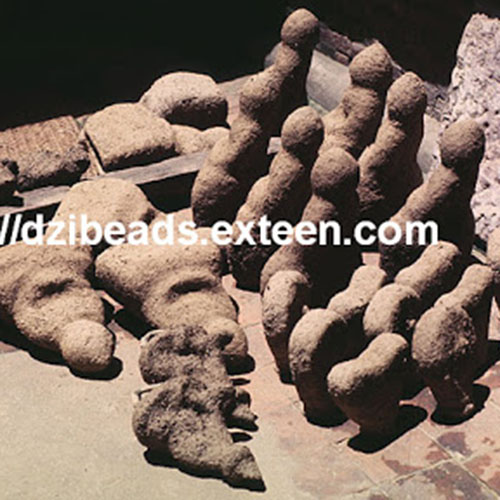
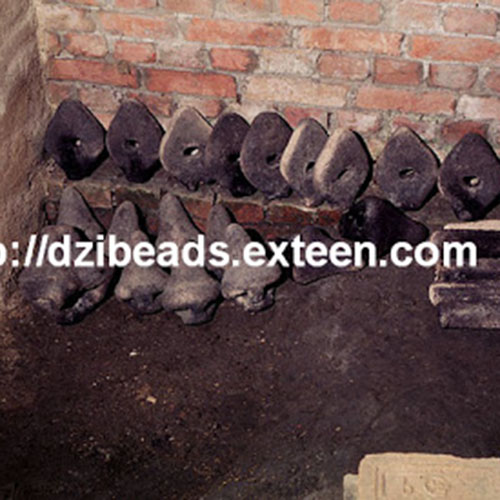
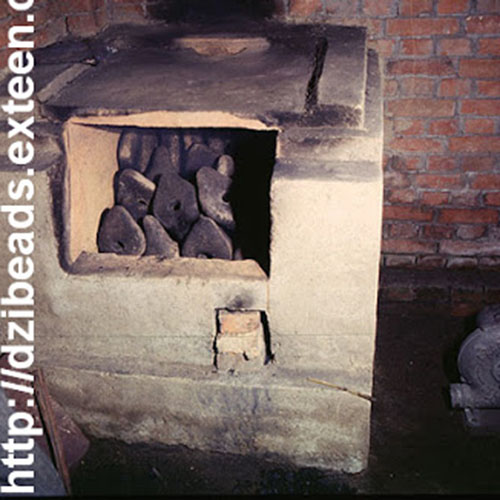
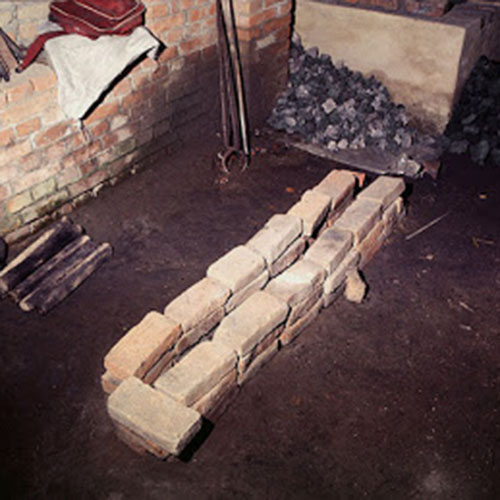
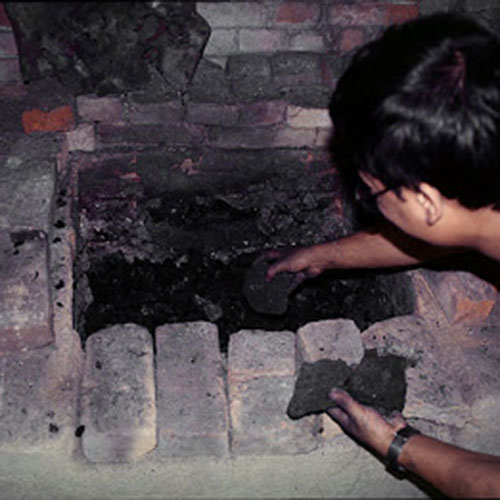
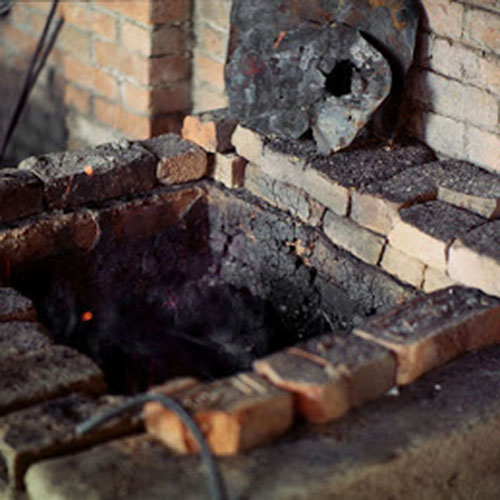
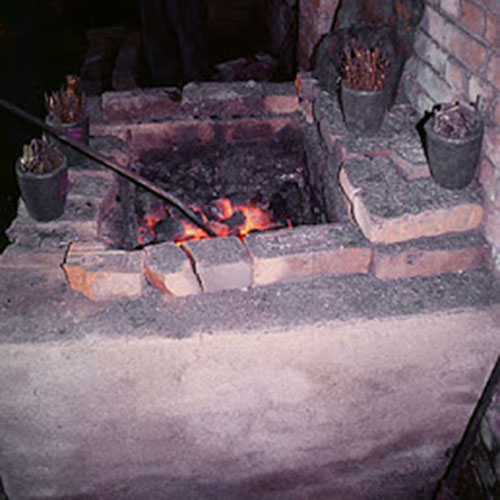
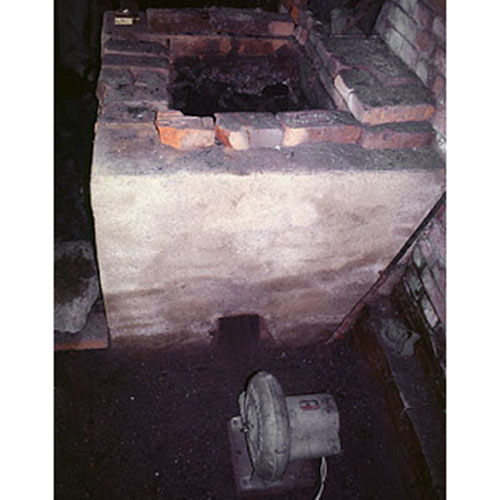
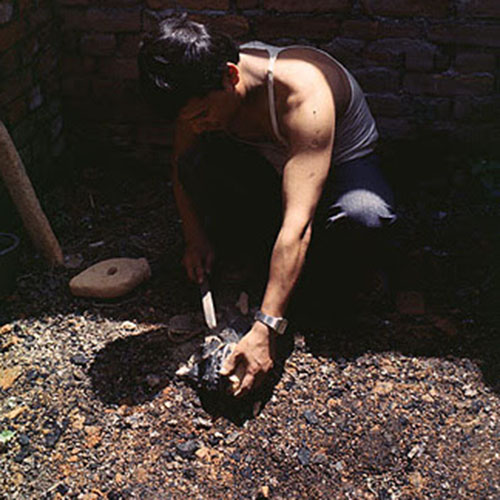
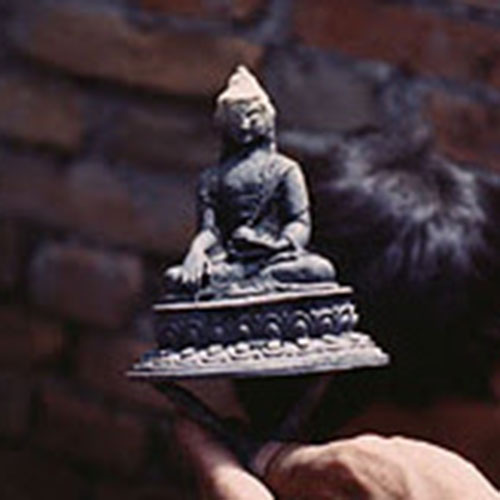
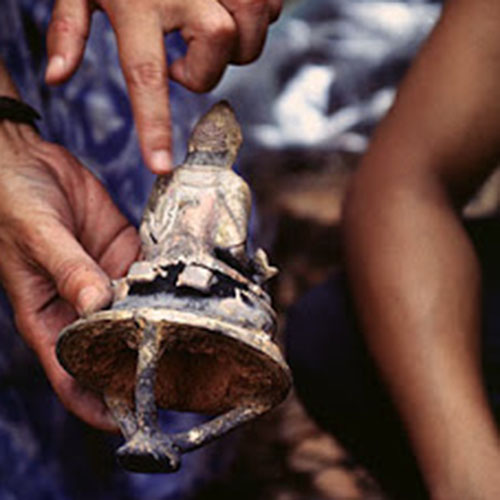
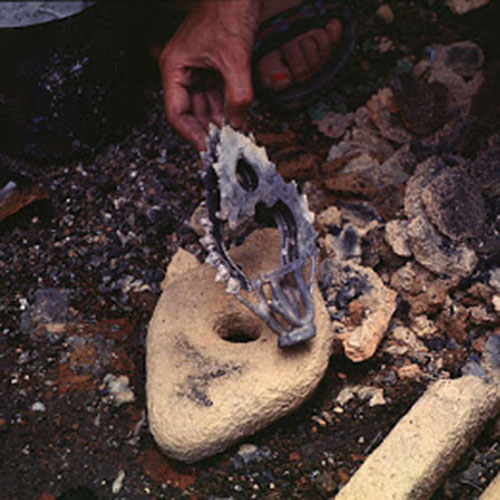
This Maitreya Buddha of Maitreya Buddha is made by the process of the Lost Wax system. This is a very complicated, time consuming and historic process of making metal sculptures.Which is why it is sometimes called Precision Casting as well. Hence the sculptures made by this process are comparatively expensive. There are many new, advanced and less time consuming methods of casting metal sculptures available as well. But due to the benefits provided by the traditional lost wax system in quality control and customization, we prefer the Loss wax system over Ceramic molding, or sand casting to make our Maitreya Buddha.
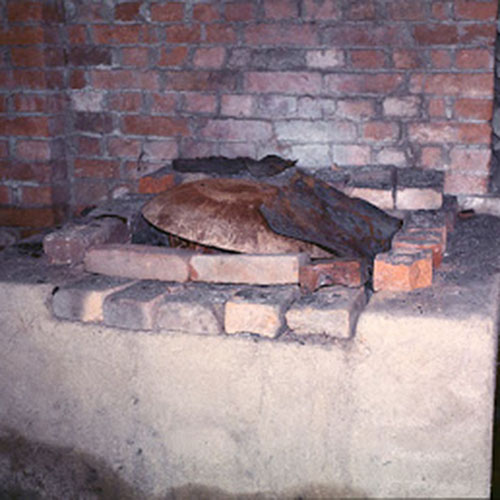
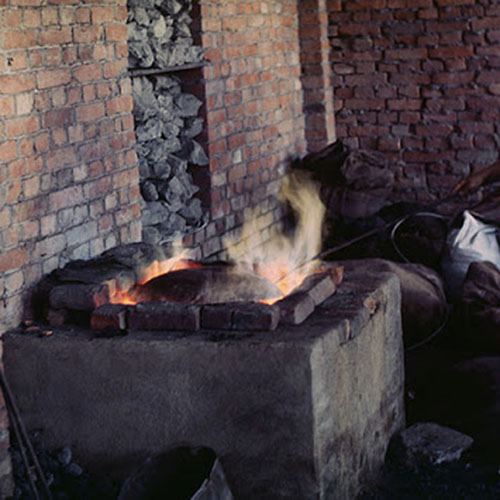
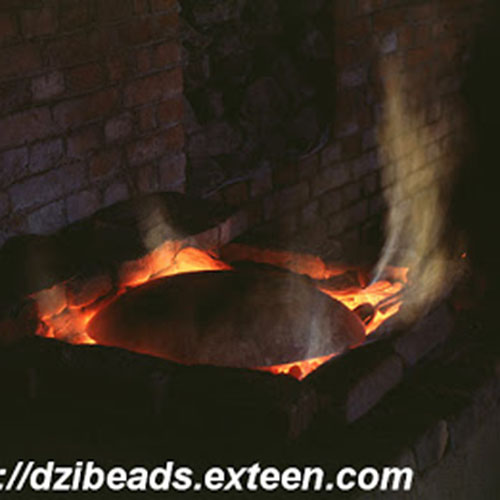
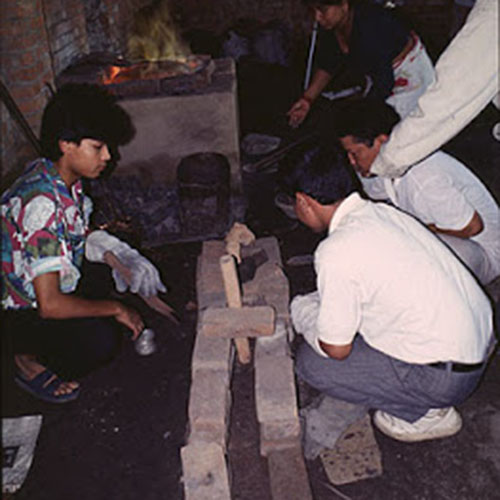
Below we have tried to illustrate the process of making a loss wax system statue: Read More . . .
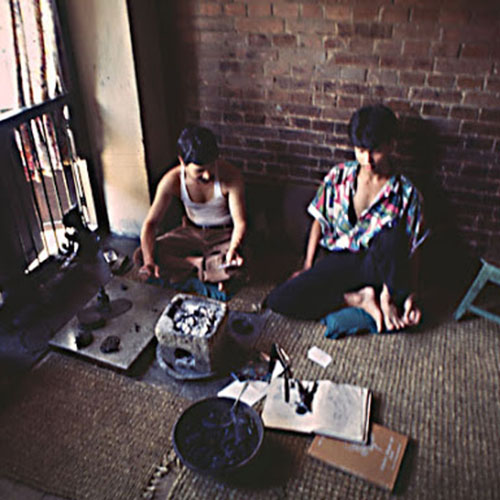
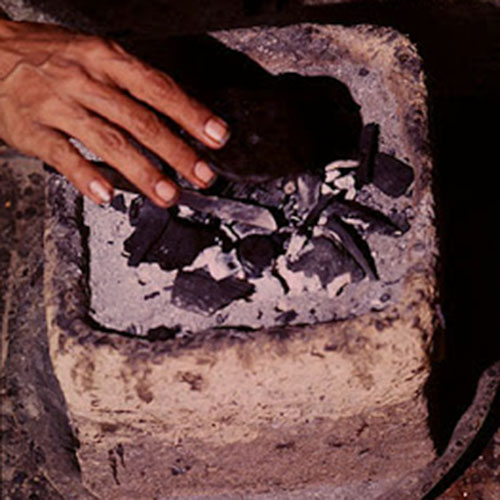
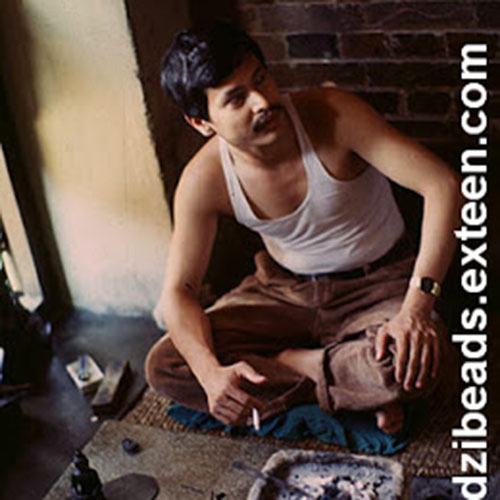
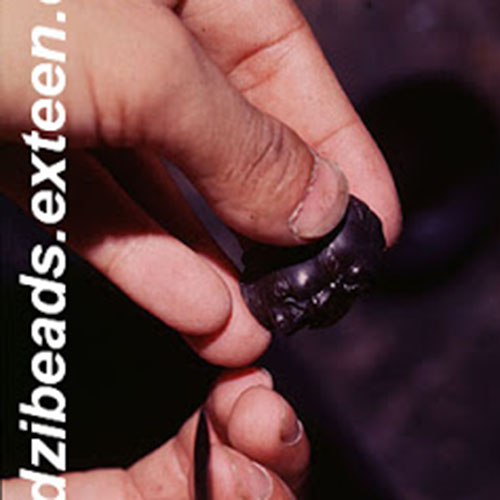
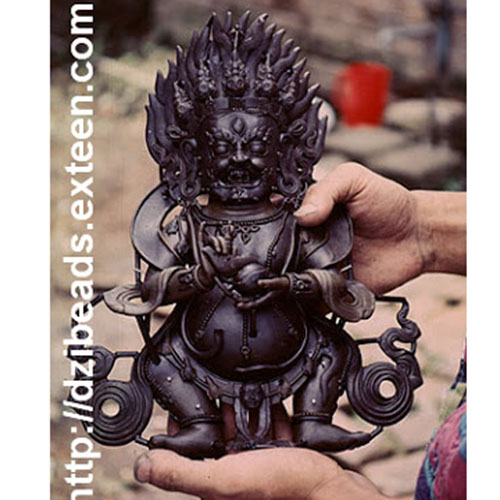
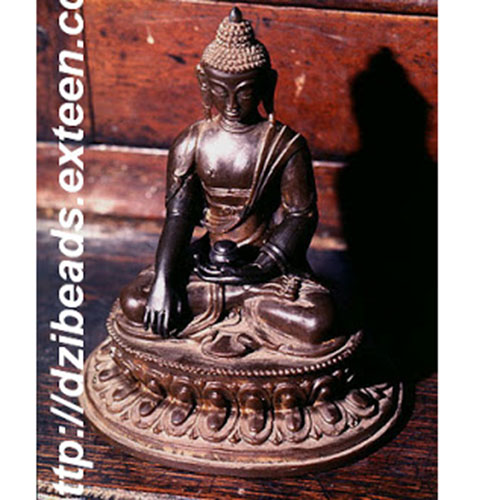
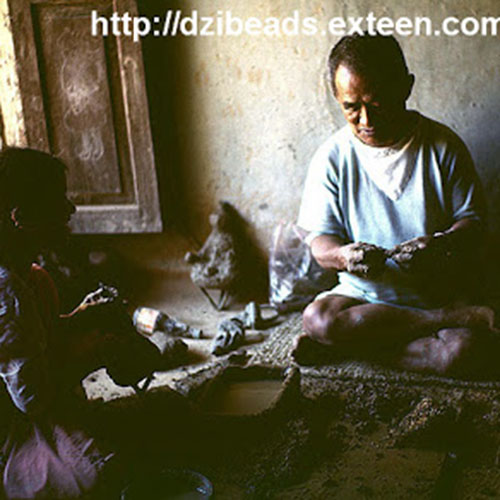
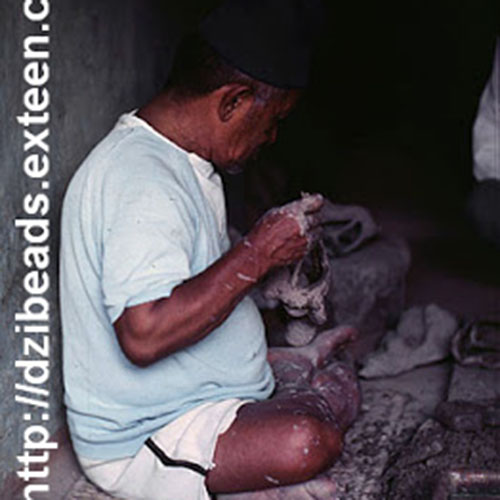
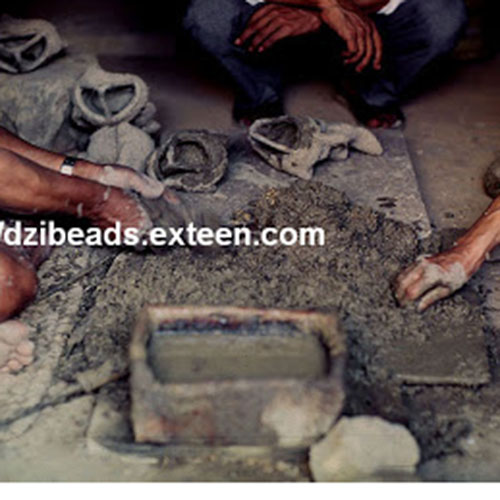
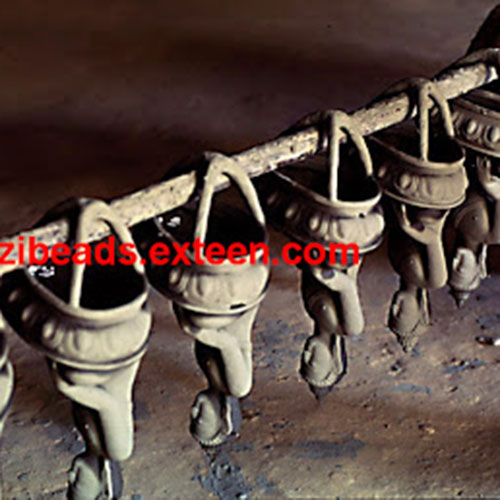
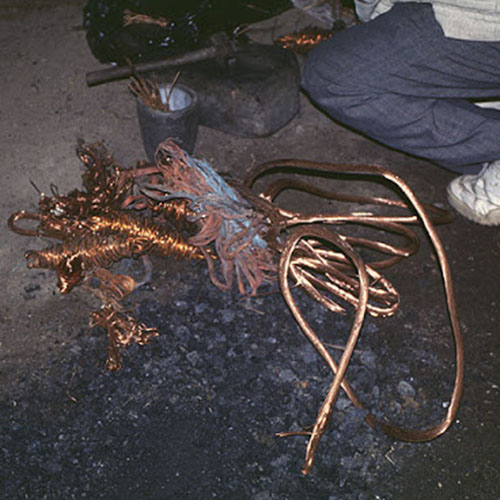
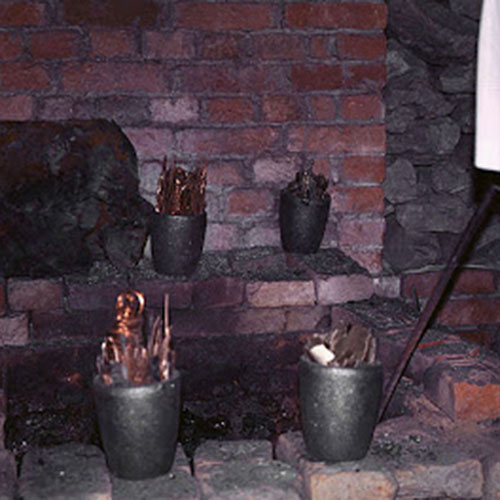
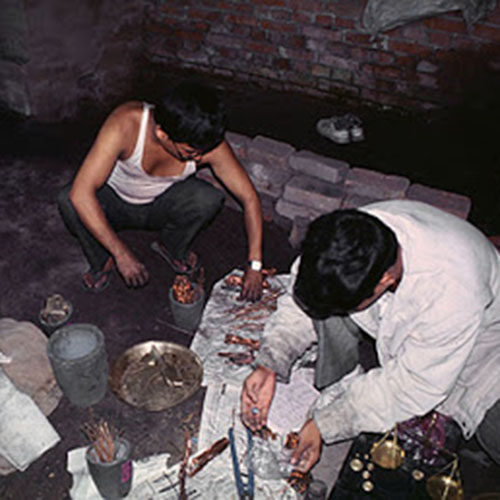
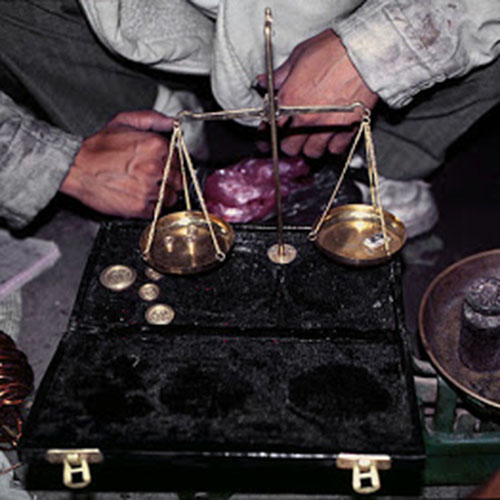
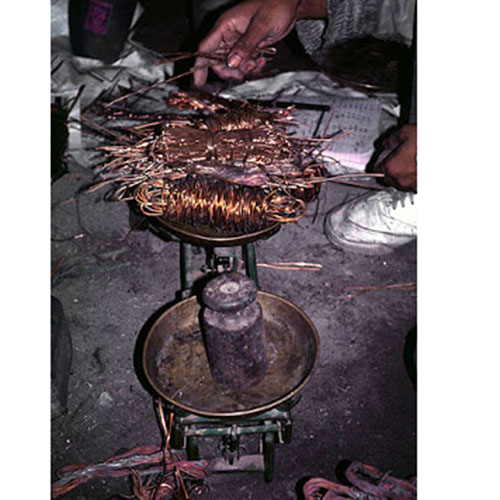
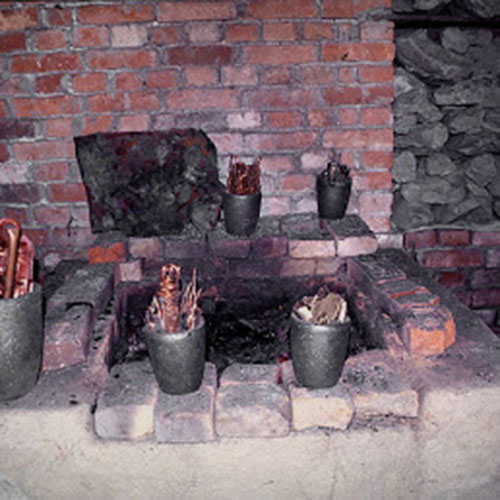
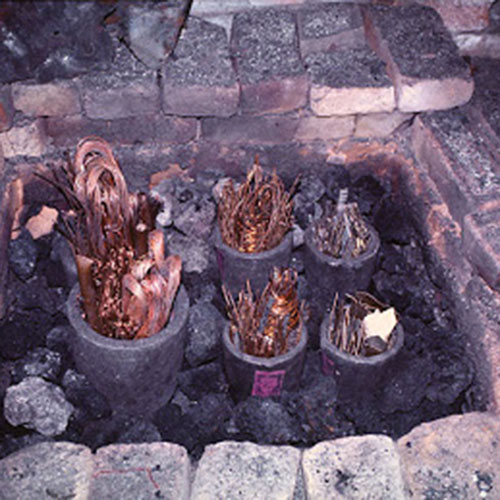
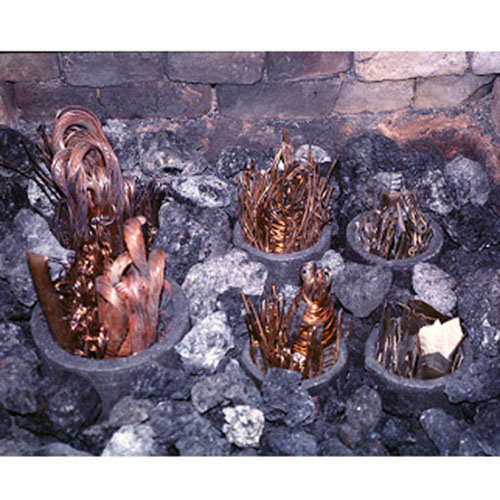
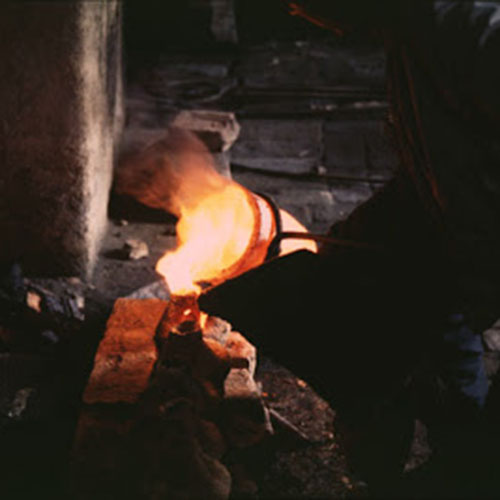
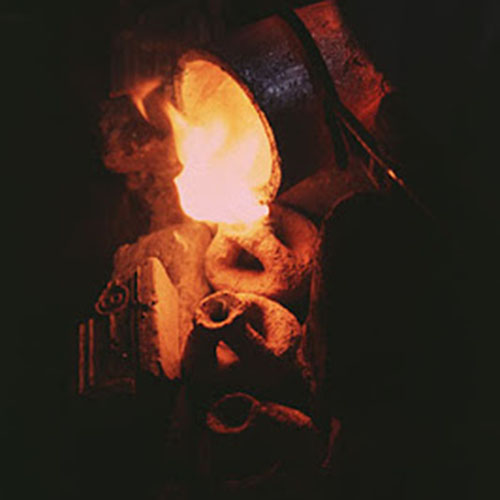
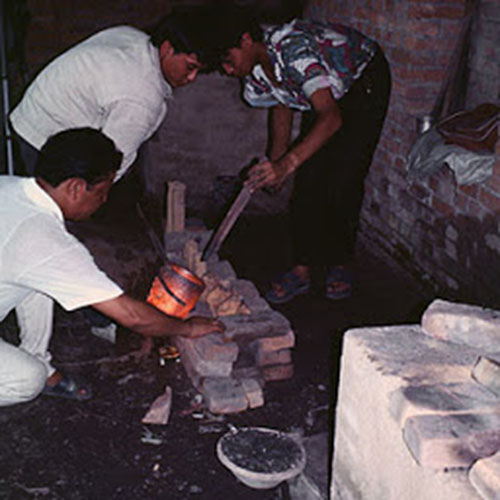
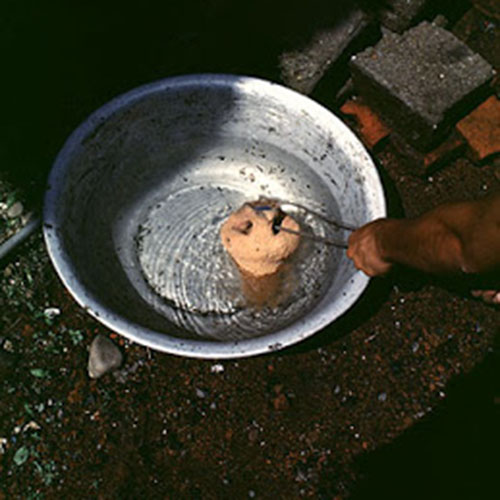
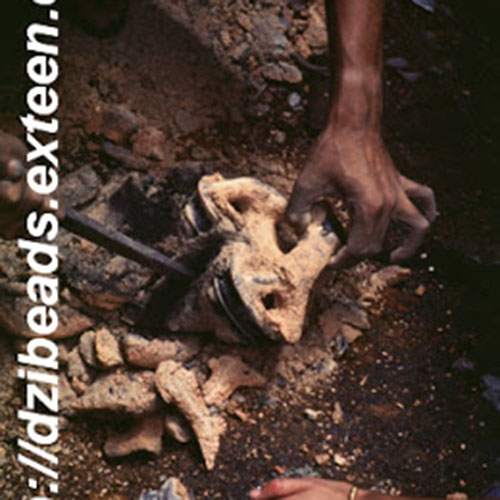
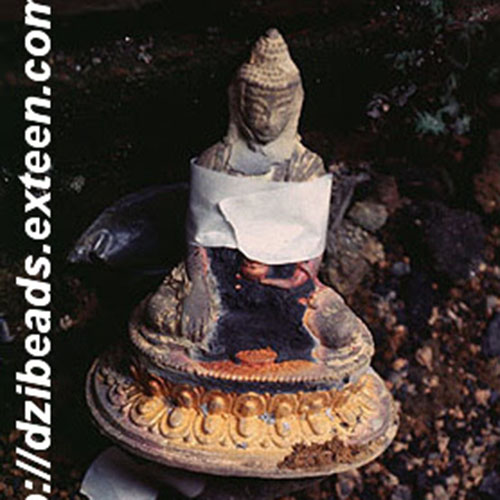
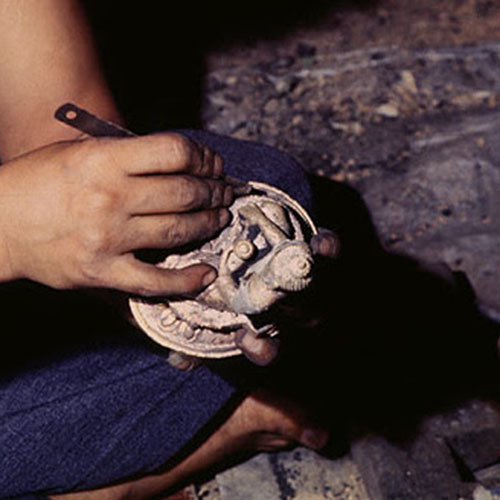
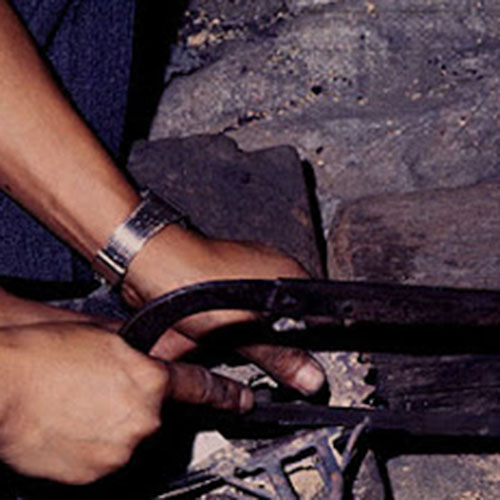
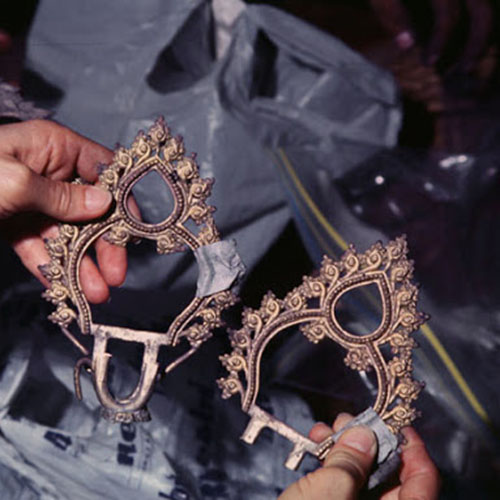

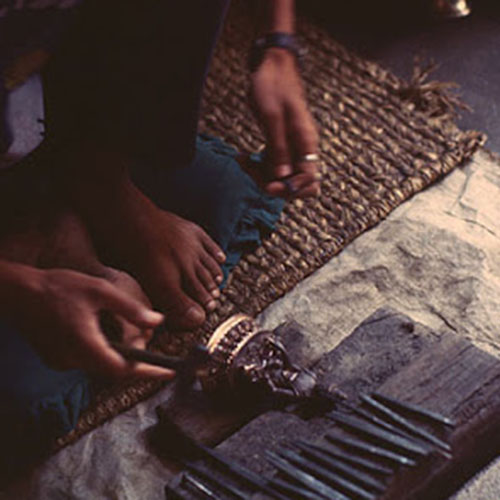
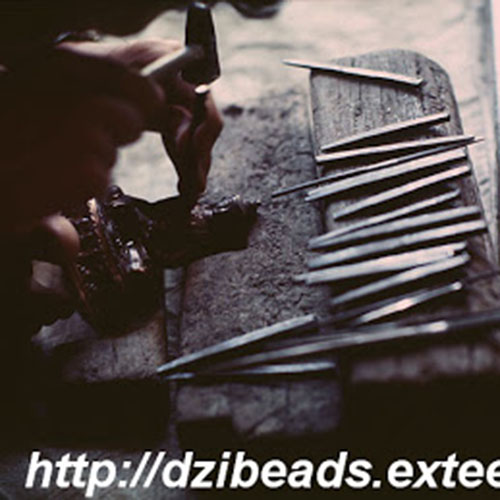
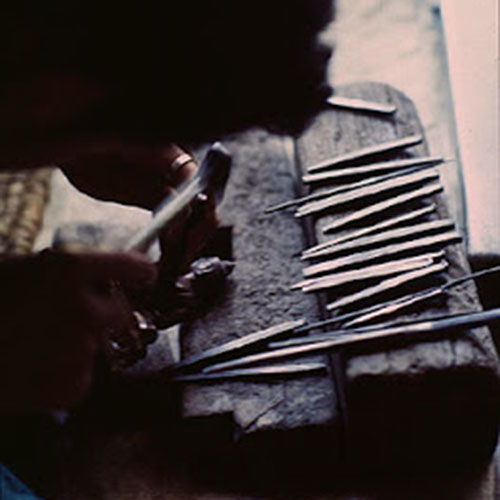

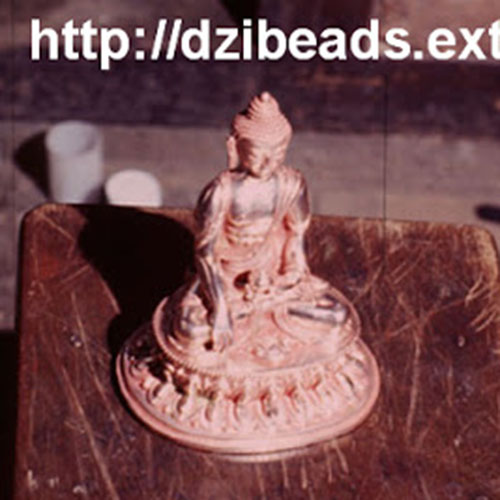
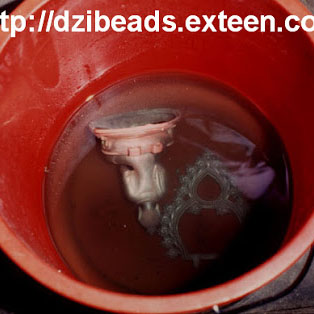
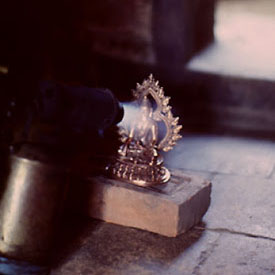
He holds both hands in front of his heart in a hand position signifying the turning the wheel of Buddhist teachings [Skt. dharmachakra mudra]. The left hand holds the stem of a blue lotus or 'night lotus'[Skt. Utpala]. The word utpala means to 'burst open'. This supports an auspicious golden wheel [Skt. Chakra] which represents change, universal cycles of existence such as the changing of the hands of a watch, the seasons of the year, the earth & moon revolving around the sun and these three in turn revolving with other planets. All is in flux, forever changing. Each forward Turning of the wheel represents a movement of Buddhist teaching. This is usually called the turning of the Wheel of Dharma. The eight spokes symbolising the noble Eightfold Path of right Thought [mirror], right Insight or View [mustard seed], right Thought, right Action [bilva fruit], right Effort [durva grass], right Livelihood [curds] and right Contemplation [vermilion powder].
The right hand holds another lotus stem supporting a water pot [Skt. Kalasa] which traditionally contains the primeval water carried by the creator Brahma. This water of creation or water of life [don't confuse with the blue nectar of immortality]represents the pure conscious mind and its ability to regenerate and purify the conscious mind. The water pot is one of the eight auspicious symbols [Skt. Astamangalas] where the word asta means eight. The green nimbus around his head represents his cosmic nature. He is surrounded by a blooming 'pink lotus' [Skt. Kamala] and an unopened bud on her left hand. The Pink lotus blossoms represents the present love and the red unopened bud future love & yet to be born Buddhas. The future here also refers to beneficial changes circumstances that will help bring about. Maitreya's elongated earlobes represent patience; his topknot [Skt. Ushnisa] his abandonment of worldly possessions, the dot [Skt.urna] on his brow on the command chakra [Skt.ajna] represents his transcendent wisdom. The thin blue aureole around his body signifies the highest level of understanding.
Mantra Maitreya Buddha
NAMO RATNA TRAYAYA / NAMO BHAGAVATE
SHAKYAMUNIYE / TATHAGATAYA / ARHATE SAMYAKSAM
BUDDHAYA / TADYATHA / OM AJITE AJITE APARAJITE /
AJITA?CHAYA HA RA HA RA MAITRI AVALOKITE KARA KARA
MAHA SAMAYA SIDDHI BHARA BHARA MAHA BODHI MANDA
BIJA SMARA SMARA AHSMA KAM SAMAYA BODHI BODHI
MAHA BODHI SVAHA
You may also want to read the related articles :
Gold Plating in Statues | Making Process Of Metal Statues | Videos of statue Making Process | Service of Filling and blessing in Statue | Altering Finishing in StatueAt Handicraft Seller, we believe in providing a seamless and user-friendly experience to our valued customers. While our website is not an online shopping platform, we have incorporated a shopping cart system to simplify the process of sending us your inquiries. Please follow the steps below to place your order:
Step 1: Browsing the Selection
Explore our website to discover a delightful array of authentic Nepali handicraft products.
Click on the products you are interested in to view detailed descriptions and images.
Step 2: Adding Items to Your Inquiry Cart
To express your interest in a particular product, click the "Add to Inquiry Cart" button associated with that item.
The shopping cart will accumulate your selected products, providing a convenient way to organize your choices.
Step 3: Reviewing Your Inquiry Cart
Once you have finished selecting the items you wish to inquire about, review your "Inquiry Cart" to ensure accuracy.
Step 4: Sending Your Inquiries
Proceed to submit your inquiries by clicking the "Submit Inquiry" button.
A form will prompt you to provide your contact details, the selected products, and any specific queries you may have.
Step 5: Communicating through Email
As we do not have an automated payment system, we will conduct the business process through email.
Our team will review your inquiries and respond via email, offering further assistance and guidance.
Step 6: Clarifying Details and Finalizing Your Order
Engage in direct communication with our team to clarify any additional information or customization requests.
Once you are satisfied with the details, we will provide you with payment instructions and confirm the order.
Step 7: Completing the Transaction
Make the payment through the designated method as provided in the email.
After receiving the payment, we will process your order and prepare it for shipment.
Step 8: Shipping and Delivery
We offer worldwide shipping for all our products.
Once your order is dispatched, we will provide you with shipping details and tracking information.
Step 9: Receiving and Enjoying Your Handicrafts
Wait for your exquisite handicrafts to arrive at your doorstep.
Unpack and revel in the beauty and craftsmanship of your chosen Nepali treasures.
Contacting Us
If you encounter any complications while submitting your inquiries or need further assistance, please feel free to contact us.
Preferably, reach out to us through WhatsApp or email for prompt responses and support.
We hope this straightforward ordering process ensures a delightful and satisfying experience with Handicraft Seller. Thank you for choosing us to connect you with the rich heritage of Nepali handicrafts.
Return Policy
We have a 7 days money back policy but buyer have to pay the return shipping charges.
Shipping
- Shipping cost is calculated, based on the shipping weight of the products ordered. THe normal Shipping cost is US$25 for upto 0.5 kgs weight
- We ship Worldwide, Except Russia and India.
- The deliver duration varies for international Shipping location. We normally dispatch the product in 2 -3 business days. Else Buyer will be infromed Personally about the shipping.
Related Products
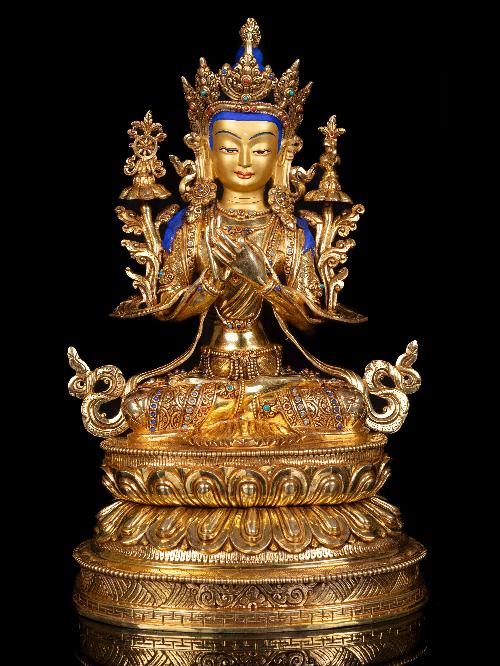
38cm Maitreya Buddha With Double Base Buddhist Handmade Statue Full Gold Plated Stone Setting Face Painted
Weight : 4.93kg | [36073]
USD 2520
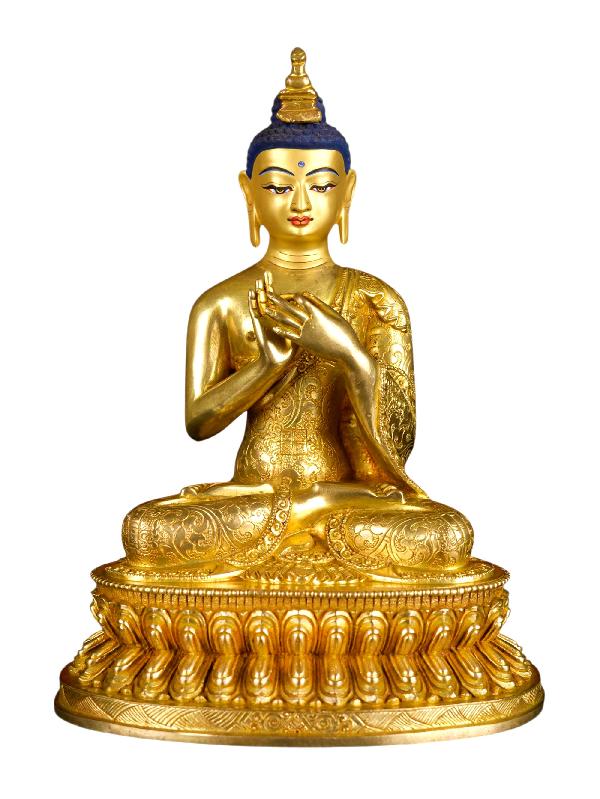
22cm Maitreya Buddha Buddhist Handmade Statue With Double Base Full Gold Plated Face Painted
Weight : 1.44kg | [36780]
USD 540
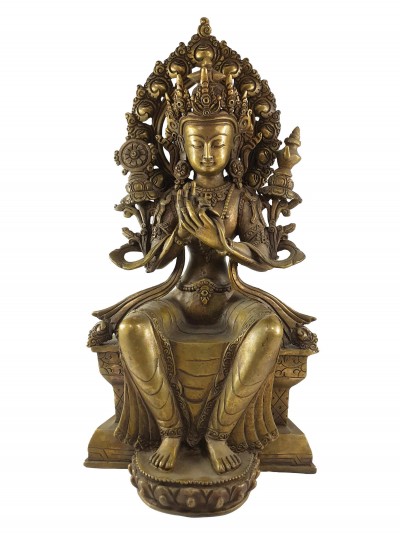
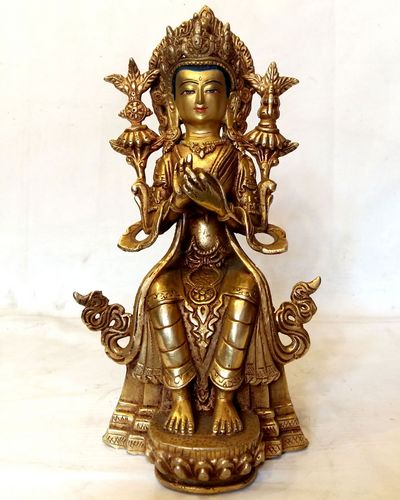
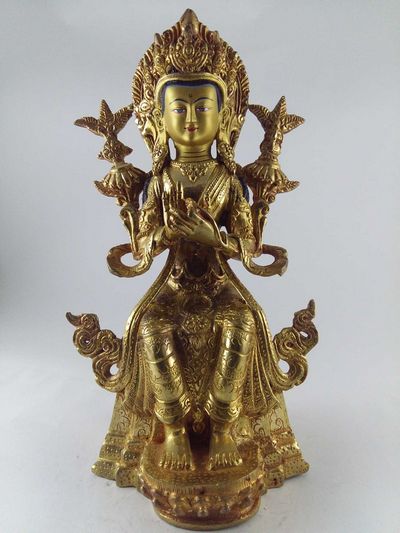

28cm Maitreya Buddha Buddhist Handmade Statue Full Gold Plated Face Painted
Weight : 2.11kg | [37388]
USD 600
25cm Buddhist Statue Of Maitreya Buddha Full Gold Plated And Painted Face
Weight : 1.32kg | [23572]
USD 225