Product Categories
Metal Statues
Thangka & Wall Decor
Sound & Spirituality
Buddhist Ritual Object
![[sterlin Silver] Tibetan Ghau Box With Ashtamangala, [gold Plated], [stone Setting]](https://www.handmadeexpo.com/pics/product/27698.jpg)

![[sterlin Silver] Tibetan Ghau Box With Ashtamangala, [gold Plated], [stone Setting]](https://www.handmadeexpo.com/pics/product/thumb/27698.jpg)
![[sterlin Silver] Tibetan Ghau Box With Ashtamangala, [gold Plated], [stone Setting]](https://www.handmadeexpo.com/pics/product/thumb/27698_0.jpg)
![[sterlin Silver] Tibetan Ghau Box With Ashtamangala, [gold Plated], [stone Setting]](https://www.handmadeexpo.com/pics/product/thumb/27698_1.jpg)
![[sterlin Silver] Tibetan Ghau Box With Ashtamangala, [gold Plated], [stone Setting]](https://www.handmadeexpo.com/pics/product/thumb/27698_2.jpg)
![[sterlin Silver] Tibetan Ghau Box With Ashtamangala, [gold Plated], [stone Setting]](https://www.handmadeexpo.com/pics/product/thumb/27698_3.jpg)
Sterlin Silver Tibetan Ghau Box with Ashtamangala, Gold Plated, Stone Setting
Prayer Box
The Ashtamangala is a sacred suite of Eight Auspicious Signs endemic to a number of religions such as Hinduism, Jainism, and Buddhism. The symbols or "symbolic attributes" are yidam and teaching tools. Not only do these attributes point to qualities of enlightened mindstream, but they are the investiture that ornaments these enlightened "qualities". Many cultural enumerations and variations of the Ashtamangala are extant. Read More . . .


The Ghau is adorned with an exquisite array of semi-precious stones, including turquoise, coral, and lapis lazuli. These stones are carefully selected and meticulously placed on the Ghau's surface, adding a touch of opulence and enhancing its overall beauty. Each stone is thoughtfully positioned using a high-quality adhesive, ensuring secure and long-lasting attachment. The vibrant colors and unique patterns of the stones create a captivating contrast against the backdrop of the Ghau, elevating its visual appeal and making it truly eye-catching. Read More . . .
Seku is a traditional Newari craftsmanship technique that involves the use of thin metal wire, typically copper or silver, to create intricate patterns on various objects. The word "Seku" is derived from the Newari language, and is commonly used to refer to this type of craftsmanship. This technique is a prominent aspect of Newari art and has been passed down through generations of artisans. Read More . . .
The Ghau has been crafted using the ceramic mold casting process, a modern approach that provides an alternative to traditional methods such as the lost-wax system or rubber molding. Also referred to as ceramic molding, this technique involves the creation of a ceramic mold to cast the statue. The process begins by making a precise and detailed wax model of the desired sculpture. The wax model is then coated with layers of ceramic material, creating a sturdy mold. Once the mold is complete, it is fired in a kiln, causing the wax to melt and escape, leaving behind a cavity that perfectly replicates the original sculpture. Molten metal is then poured into the mold, allowing it to fill the cavity and take on the desired form. Once cooled and solidified, the ceramic mold is carefully broken away, revealing the final metal statue. Read More . . .
You may also want to read the related articles :
At Handicraft Seller, we believe in providing a seamless and user-friendly experience to our valued customers. While our website is not an online shopping platform, we have incorporated a shopping cart system to simplify the process of sending us your inquiries. Please follow the steps below to place your order:
Step 1: Browsing the Selection
Explore our website to discover a delightful array of authentic Nepali handicraft products.
Click on the products you are interested in to view detailed descriptions and images.
Step 2: Adding Items to Your Inquiry Cart
To express your interest in a particular product, click the "Add to Inquiry Cart" button associated with that item.
The shopping cart will accumulate your selected products, providing a convenient way to organize your choices.
Step 3: Reviewing Your Inquiry Cart
Once you have finished selecting the items you wish to inquire about, review your "Inquiry Cart" to ensure accuracy.
Step 4: Sending Your Inquiries
Proceed to submit your inquiries by clicking the "Submit Inquiry" button.
A form will prompt you to provide your contact details, the selected products, and any specific queries you may have.
Step 5: Communicating through Email
As we do not have an automated payment system, we will conduct the business process through email.
Our team will review your inquiries and respond via email, offering further assistance and guidance.
Step 6: Clarifying Details and Finalizing Your Order
Engage in direct communication with our team to clarify any additional information or customization requests.
Once you are satisfied with the details, we will provide you with payment instructions and confirm the order.
Step 7: Completing the Transaction
Make the payment through the designated method as provided in the email.
After receiving the payment, we will process your order and prepare it for shipment.
Step 8: Shipping and Delivery
We offer worldwide shipping for all our products.
Once your order is dispatched, we will provide you with shipping details and tracking information.
Step 9: Receiving and Enjoying Your Handicrafts
Wait for your exquisite handicrafts to arrive at your doorstep.
Unpack and revel in the beauty and craftsmanship of your chosen Nepali treasures.
Contacting Us
If you encounter any complications while submitting your inquiries or need further assistance, please feel free to contact us.
Preferably, reach out to us through WhatsApp or email for prompt responses and support.
We hope this straightforward ordering process ensures a delightful and satisfying experience with Handicraft Seller. Thank you for choosing us to connect you with the rich heritage of Nepali handicrafts.
Return Policy
We have a 7 days money back policy but buyer have to pay the return shipping charges.
Shipping
- Shipping cost is calculated, based on the shipping weight of the products ordered. THe normal Shipping cost is US$25 for upto 0.5 kgs weight
- We ship Worldwide, Except Russia and India.
- The deliver duration varies for international Shipping location. We normally dispatch the product in 2 -3 business days. Else Buyer will be infromed Personally about the shipping.
Related Products
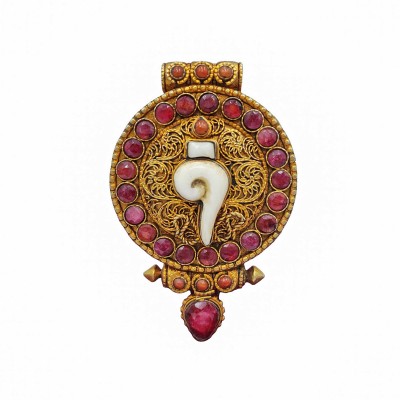
1cm Sterlin Silver Tibetan Ghau Box With Sankha Conch Shell Design, Gold Plated, Stone Setting
Weight : 0.02kg | [27724]
US$190
US$152
You Save
US$38
(20%)
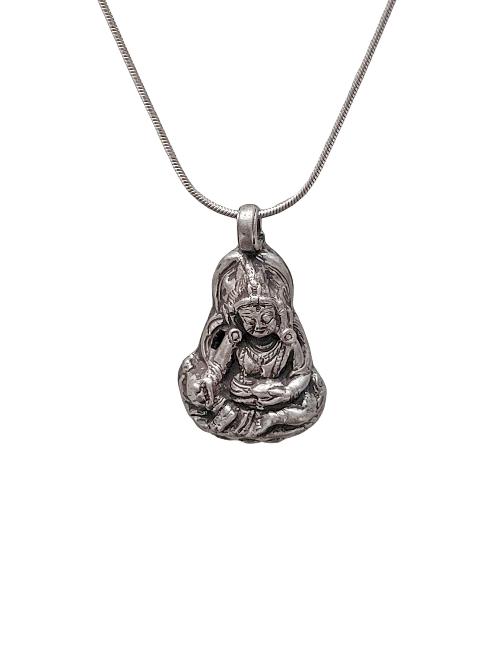
24cm Pendant, Buddhist Silver Amulet With Jambhala, Silver Chain Included
Weight : 0.01kg | [30531]
US$26
US$20.8
You Save
US$5.2
(20%)
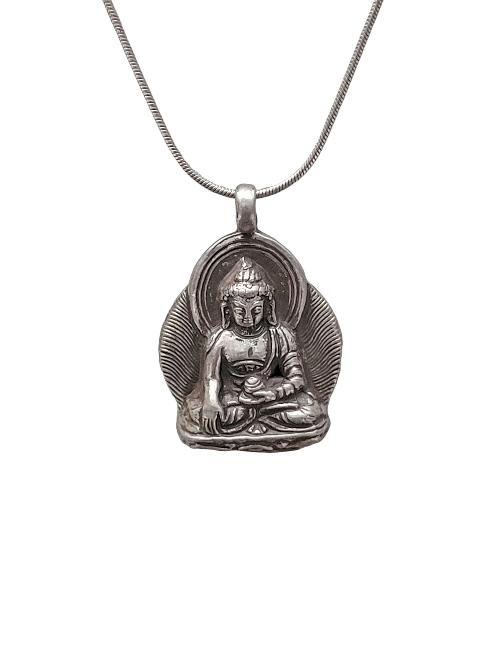
25cm Pendant, Buddhist Silver Amulet With Shakyamuni Buddha, Silver Chain Included
Weight : 0.01kg | [30528]
US$31
US$24.8
You Save
US$6.2
(20%)
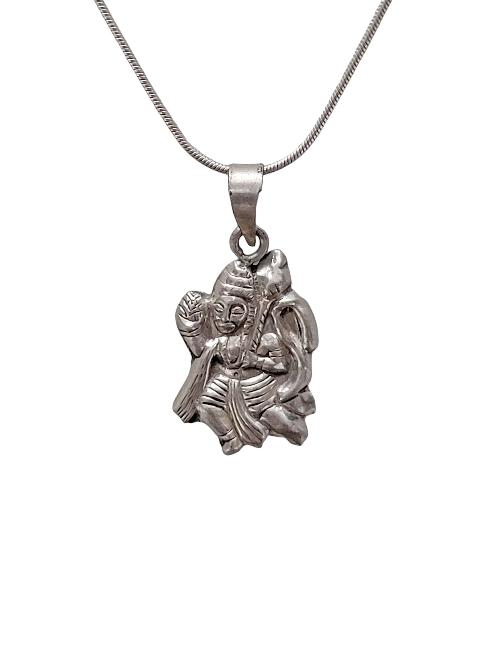
25cm Pendant, Silver Jewellery With Hanuman, Silver Chain Included
Weight : 0.01kg | [30533]
US$26
US$20.8
You Save
US$5.2
(20%)
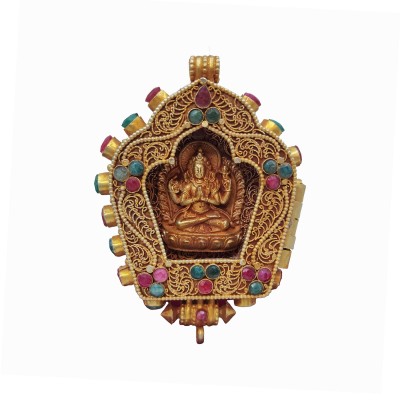
2cm Sterlin Silver Tibetan Ghau Box With Chengrezig, Gold Plated, Stone Setting
Weight : 0.1kg | [27712]
US$520
US$416
You Save
US$104
(20%)
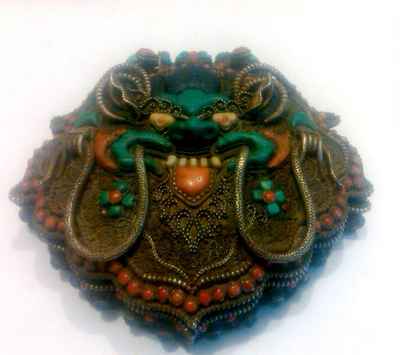
0cm Old Tibetan Cheppu Ghau With Mahakala Inside
Weight : 1.2kg | [10416]
US$3000
US$2400
You Save
US$600
(20%)
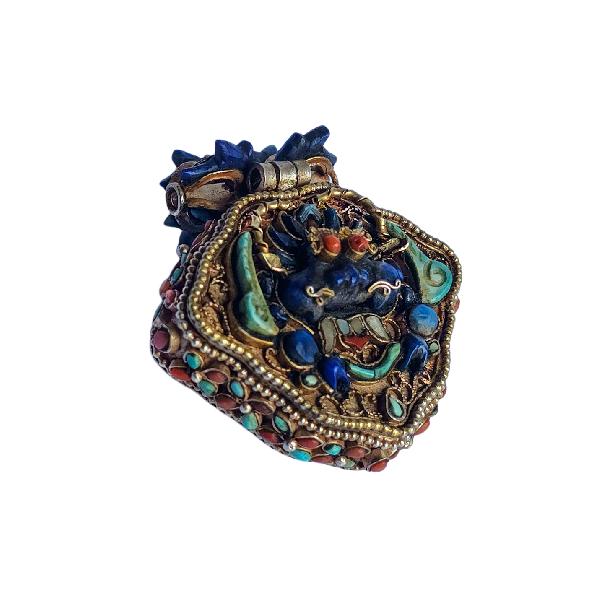
1.5cm Silver Tibetan Ghau Box With Guru, Gold Plated And Stone Setting
Weight : 0.04kg | [34742]
US$990
US$742.5
You Save
US$247.5
(25%)
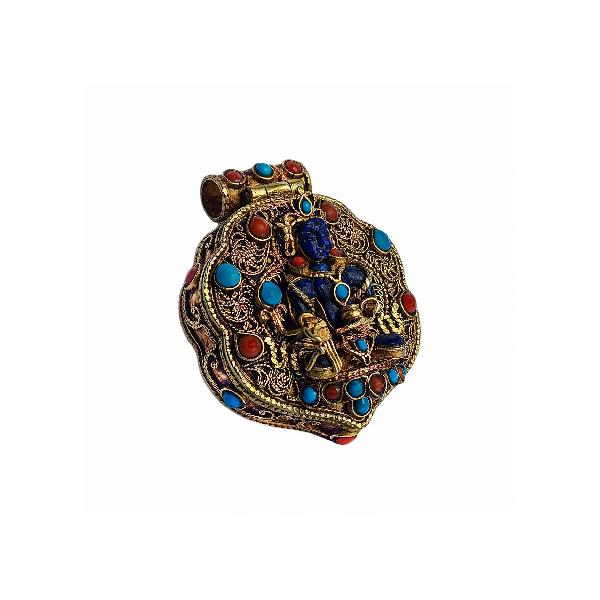
2.5cm Silver Tibetan Ghau Box With Medicine Buddha And Stone Setting
Weight : 0.06kg | [34728]
US$1100
US$825
You Save
US$275
(25%)