Product Categories
Metal Statues
Thangka & Wall Decor
Sound & Spirituality
Buddhist Ritual Object
![[traditional Tibetan], Ritual Jeweler And Ritual Item Box, [painted], With White Tara, Green Tara](https://www.handmadeexpo.com/pics/product/27124.jpg)

![[traditional Tibetan], Ritual Jeweler And Ritual Item Box, [painted], With White Tara, Green Tara](https://www.handmadeexpo.com/pics/product/thumb/27124.jpg)
![[traditional Tibetan], Ritual Jeweler And Ritual Item Box, [painted], With White Tara, Green Tara](https://www.handmadeexpo.com/pics/product/thumb/27124_0.jpg)
![[traditional Tibetan], Ritual Jeweler And Ritual Item Box, [painted], With White Tara, Green Tara](https://www.handmadeexpo.com/pics/product/thumb/27124_1.jpg)
![[traditional Tibetan], Ritual Jeweler And Ritual Item Box, [painted], With White Tara, Green Tara](https://www.handmadeexpo.com/pics/product/thumb/27124_2.jpg)
![[traditional Tibetan], Ritual Jeweler And Ritual Item Box, [painted], With White Tara, Green Tara](https://www.handmadeexpo.com/pics/product/thumb/27124_3.jpg)
Traditional Tibetan, Ritual Jeweler and Ritual Item Box, Painted, with White Tara, Green Tara
Samaya Tara, popularly known as Green Tara. She is represented in a royal ease posture with her left leg bent her left leg overstepping the main lotus and resting on a blue lotus ready to get up and offer assistance to those in need. She is portrayed with maroon Buddhist robes and jewelry. The earrings represent patience, understanding, and renunciation. The diadem with five jewels represents the transmutation of the five delusions into the Five Buddha Wisdoms. She is shown with a benevolent countenance seated upon a white moon disk which is associated with special restorative nectar associated with the naval chakra center. In Buddhists, the moon symbolizes the wisdom aspect which when coupled with compassion leads to Sakyamuni Buddha's enlightenment. Her right hand is gracefully lowered in Varada mudra, the boon-granting gesture. Read More . . .
White Tara is a revered figure in Buddhist mythology, often depicted as a compassionate and serene goddess. She embodies peace and emanates loving compassion, bringing grace and dignity to various situations. White Tara's presence encourages the emergence of goodness and positive outcomes in all circumstances. She upholds the Four Measureless States, which include Loving Kindness, Compassion, Sympathetic Joy, and Equanimity, encompassing past, present, and future circumstances. Additionally, White Tara is associated with the bestowing of longevity, symbolizing a long and healthy life. Her essence embodies the ideals of compassion and benevolence, making her a significant figure in Buddhist worship and spiritual practices. Read More . . .
The Wooden Tibetan Box is adorned with traditional colors, creating a captivating aesthetic through a combination of gold and various hues. This painting technique follows a time-honored process that aims to faithfully represent the Wooden Tibetan Box in accordance with traditional color descriptions. In the context of Buddhist statues, this approach holds great significance. Each statue has its own primary color, and it is crucial to depict the statue in its authentic shade. Read More . . .
Storage: These boxes are functional storage items, perfect for keeping small treasures, jewelry, incense, prayer beads, or other personal items safe. They often come in various sizes, making them suitable for different storage needs.
Gift: A Tibetan wooden box makes a thoughtful and unique gift, especially for those who appreciate art, culture, or spiritual artifacts. It can serve as a memorable keepsake for special occasions.
Spiritual Use: In Tibetan culture, these boxes may also be used in religious settings to store sacred objects, texts, or ritual items, preserving them in a manner that respects their spiritual significance.
Overall, Tibetan wooden boxes are not just storage items but also serve as beautiful decorative pieces that can bring a touch of Tibetan culture and spirituality into any home. Their vibrant colors and intricate designs make them a unique addition to any interior decor, while their functionality and craftsmanship are a testament to the rich artistic traditions of Tibet.
You may also want to read the related articles :
At Handicraft Seller, we believe in providing a seamless and user-friendly experience to our valued customers. While our website is not an online shopping platform, we have incorporated a shopping cart system to simplify the process of sending us your inquiries. Please follow the steps below to place your order:
Step 1: Browsing the Selection
Explore our website to discover a delightful array of authentic Nepali handicraft products.
Click on the products you are interested in to view detailed descriptions and images.
Step 2: Adding Items to Your Inquiry Cart
To express your interest in a particular product, click the "Add to Inquiry Cart" button associated with that item.
The shopping cart will accumulate your selected products, providing a convenient way to organize your choices.
Step 3: Reviewing Your Inquiry Cart
Once you have finished selecting the items you wish to inquire about, review your "Inquiry Cart" to ensure accuracy.
Step 4: Sending Your Inquiries
Proceed to submit your inquiries by clicking the "Submit Inquiry" button.
A form will prompt you to provide your contact details, the selected products, and any specific queries you may have.
Step 5: Communicating through Email
As we do not have an automated payment system, we will conduct the business process through email.
Our team will review your inquiries and respond via email, offering further assistance and guidance.
Step 6: Clarifying Details and Finalizing Your Order
Engage in direct communication with our team to clarify any additional information or customization requests.
Once you are satisfied with the details, we will provide you with payment instructions and confirm the order.
Step 7: Completing the Transaction
Make the payment through the designated method as provided in the email.
After receiving the payment, we will process your order and prepare it for shipment.
Step 8: Shipping and Delivery
We offer worldwide shipping for all our products.
Once your order is dispatched, we will provide you with shipping details and tracking information.
Step 9: Receiving and Enjoying Your Handicrafts
Wait for your exquisite handicrafts to arrive at your doorstep.
Unpack and revel in the beauty and craftsmanship of your chosen Nepali treasures.
Contacting Us
If you encounter any complications while submitting your inquiries or need further assistance, please feel free to contact us.
Preferably, reach out to us through WhatsApp or email for prompt responses and support.
We hope this straightforward ordering process ensures a delightful and satisfying experience with Handicraft Seller. Thank you for choosing us to connect you with the rich heritage of Nepali handicrafts.
Return Policy
We have a 7 days money back policy but buyer have to pay the return shipping charges.
Shipping
- Shipping cost is calculated, based on the shipping weight of the products ordered. THe normal Shipping cost is US$25 for upto 0.5 kgs weight
- We ship Worldwide, Except Russia and India.
- The deliver duration varies for international Shipping location. We normally dispatch the product in 2 -3 business days. Else Buyer will be infromed Personally about the shipping.
Related Products
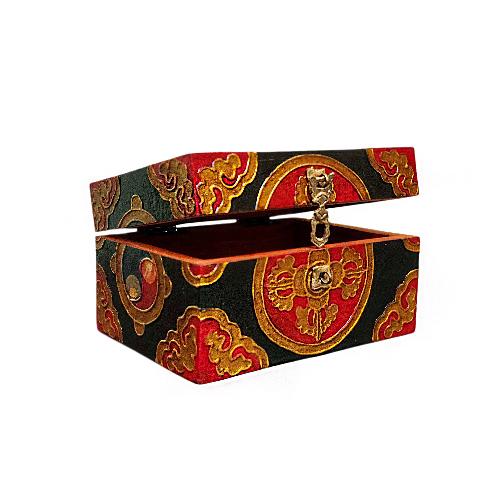
9cm Buddhist Wooden Box With Double Dorje Design, Tibetan Style With Traditional Colors
Weight : 0.41kg | [34893]
US$18
US$14.4
You Save
US$3.6
(20%)
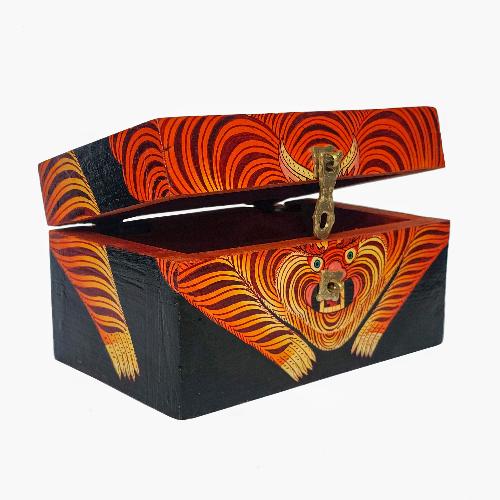
8cm Tibetan Ritual Wooden Box, Carved And Painted
Weight : 0.34kg | [31976]
US$14
US$11.2
You Save
US$2.8
(20%)
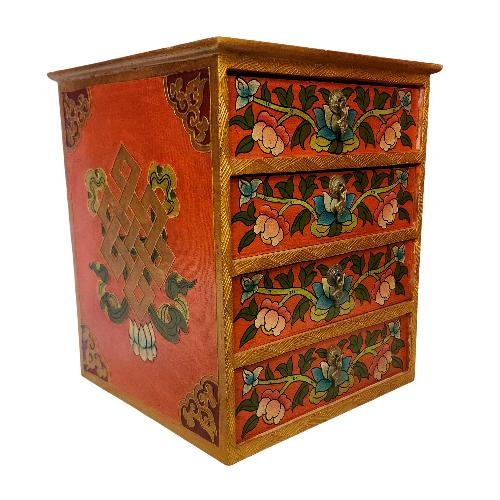
32cm Tibetan Box Drawer With Four Drawer, Painted
Weight : 3.55kg | [32598]
US$100
US$80
You Save
US$20
(20%)
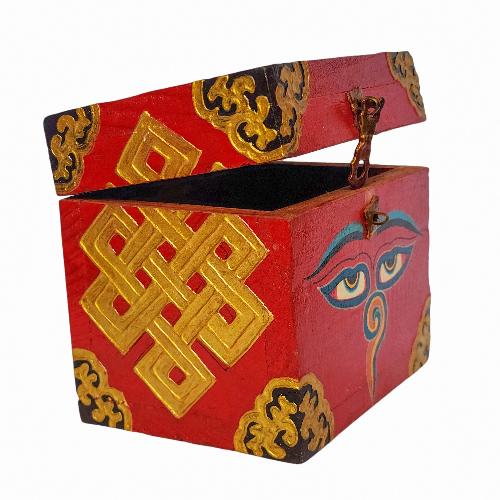
12cm Tibetan Ritual Wooden Box, Carved And Painted
Weight : 0.41kg | [31981]
US$16
US$12.8
You Save
US$3.2
(20%)
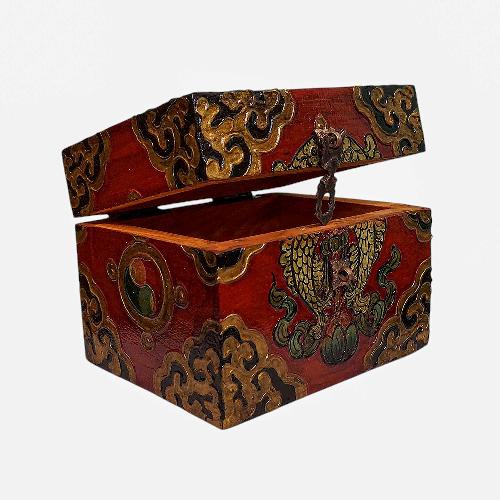
10cm Buddhist Wooden Box, Tibetan Style With Traditional Colors
Weight : 0.5kg | [34411]
US$15
US$12
You Save
US$3
(20%)
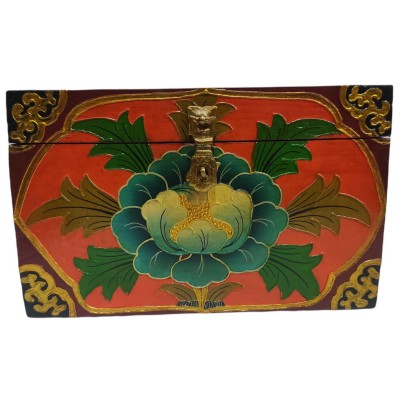
14cm Traditional Tibetan, Wooden Rectangle Red Color Box, Lotus Painted
Weight : 0.64kg | [24695]
US$26
US$20.8
You Save
US$5.2
(20%)
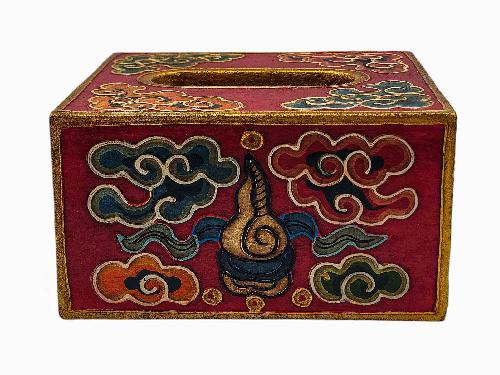
9cm Wooden Serviette Napkin Holder, Painted, Flower Design, Tissue Box
Weight : 0.37kg | [33879]
US$18
US$14.4
You Save
US$3.6
(20%)
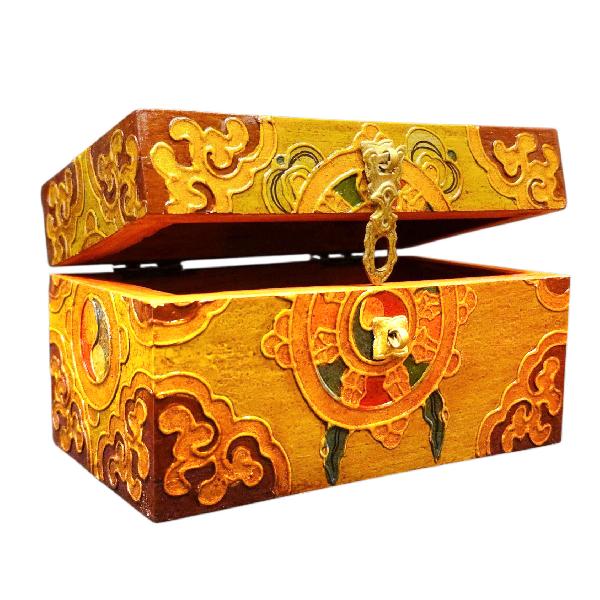
9cm Buddhist Wooden Box With Dharmachakra Design, Tibetan Style With Traditional Colors
Weight : 0.33kg | [36636]
US$12
US$9.6
You Save
US$2.4
(20%)