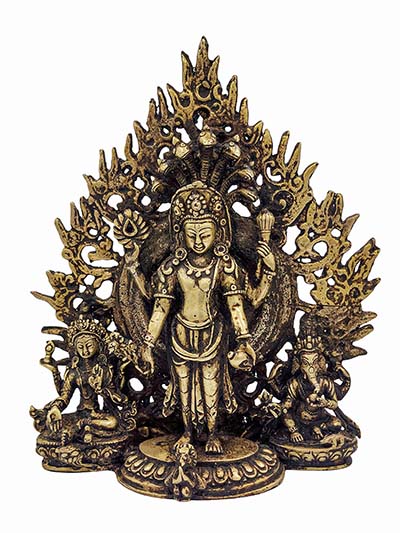
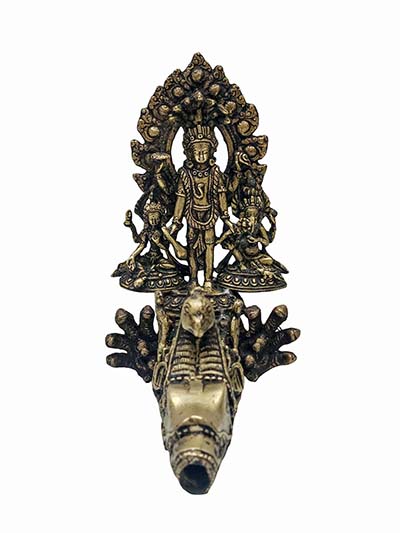
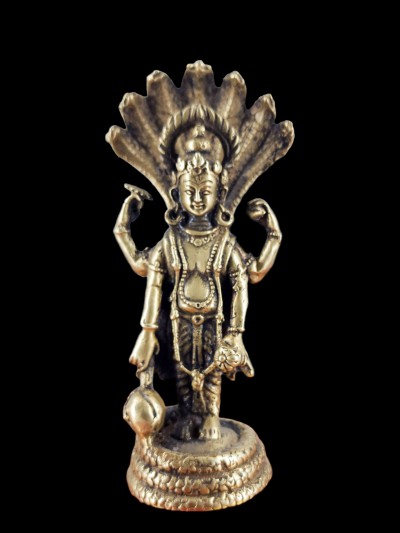
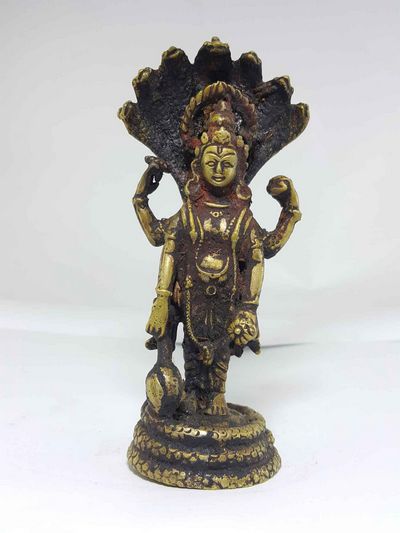
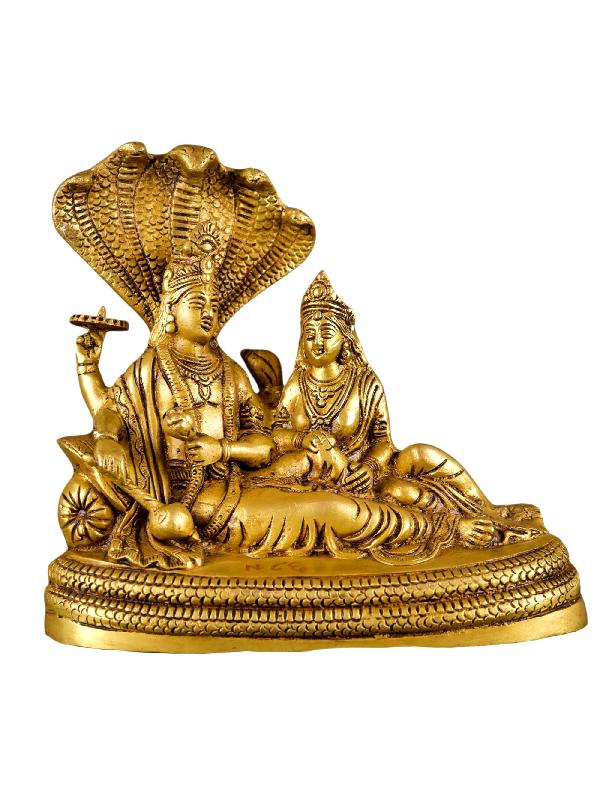
Vishnu is one of the most significant deities in Hinduism. He is the Supreme god Svayam Bhagavan of Vaishnavism (one of the principal denominations of Hinduism). He is also known as Narayana and Hari. As one of the five primary forms of God in the Smarta tradition, he is conceived as "the Preserver or the Protector"
In Hindu sacred texts, Vishnu is usually described as having dark complexion of water-filled clouds and having four arms. He is depicted as a pale blue being, as are his incarnations Rama and Krishna. He holds a padma (lotus flower) in his lower left hand, the Kaumodaki gada (mace) in his lower right hand, the Panchajanya shankha (conch) in his upper left hand and the discus weapon considered to be the most powerful weapon according to Hindu Religion Sudarshana Chakra in his upper right hand.
Shipping Calculation
The shipping weight for 1 piece of the product is 5 kg, and shipping cost is USD77.00.
Country
Shipping Mode
We normally dispatch orders within 2 to 5 business days. If there are any delays, we will personally inform the buyer about the dispatch date.
We accept Paypal | Credit/Debit Card | Bank Transfer | Money Transfer / Remit Click Here for more Information.
We offer a simple 7-day money-back policy, with the buyer responsible for return shipping. Click Here for more Information.
Vishnu :
Vishnu is one of the most significant deities in Hinduism. He is the Supreme god Svayam Bhagavan of Vaishnavism (one of the principal denominations of Hinduism). He is also known as Narayana and Hari. As one of the five primary forms of God in the Smarta tradition, he is conceived as "the Preserver or the Protector"
In Hindu sacred texts, Vishnu is usually described as having dark complexion of water-filled clouds and having four arms. He is depicted as a pale blue being, as are his incarnations Rama and Krishna. He holds a padma (lotus flower) in his lower left hand, the Kaumodaki gada (mace) in his lower right hand, the Panchajanya shankha (conch) in his upper left hand and the discus weapon considered to be the most powerful weapon according to Hindu Religion Sudarshana Chakra in his upper right hand.
Gold Painted Face
The face of Vishnu is painted with gold to enhance its significant features, particularly the eyes, and lips. This detailed painting is essential as it brings forth the crucial attributes of the expression of eyes and lips that metal carving alone cannot capture.
Moreover, the painted face serves as a symbolic and sacred ritual in Buddhism, preparing the statue for consecration and practice. The act of painting the face with gold in Buddhism holds deep meaning. It represents the intention to bring life and expression to the statue, imbuing it with a sense of vitality and presence. The application of gold on the face showcases the devotion and craftsmanship of the artisans, ensuring that every detail is carefully attended to honor the sacred essence of the Vishnu.
Protecting the Face In the process of painting the face, a special variation of gold is utilized. This variation is transformed into a powder form that can be applied as paint. The gold used is believed to be 100% pure, enhancing the reverence and spiritual significance associated with this practice.
As the face is painted it is highly recommended that the face of the statue is to be greatly taken care of as it requires a very professional and skilled face artist to repair the face of dirt and damages. Commonly to protect it from damage, the statue with painted face is placed under a glass box and it is always covered with a cotton face mask if it has to be moved
Video of Face Painting
Read More . . .
Full Fire Gold Plating
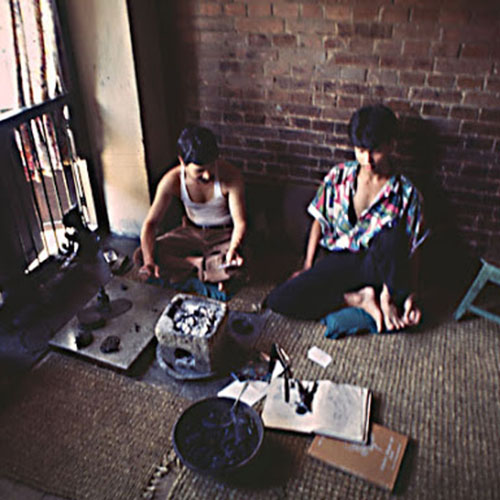
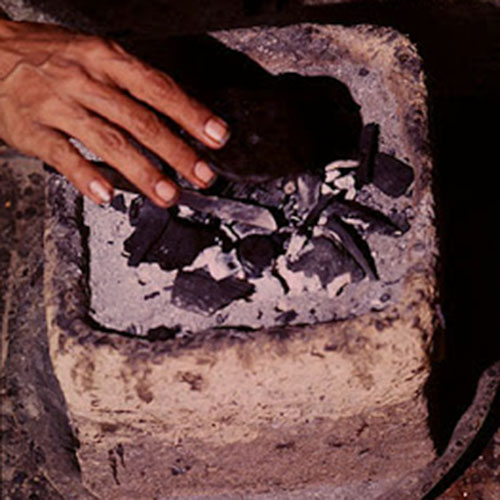
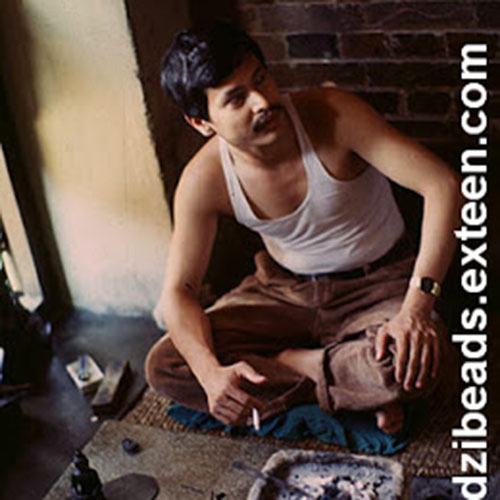
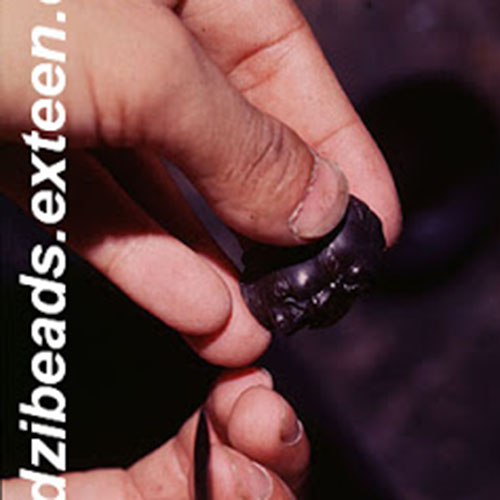
This Vishnu is finished with full gold plating. also known as mercury gold plating or fire gold plating. This traditional technique involves the application of a genuine layer of gold onto the Vishnu. Referred to as mercury gold plating, it is considered the correct and authentic form of gold plating in Nepal. Despite being more expensive than electroplating, this traditional mercury gold plating is gaining popularity again in Nepal. People are drawn to its authenticity, longevity, and the unmatched beauty it brings to the Vishnu. The resurgence of interest in this traditional form of gold plating reflects a growing appreciation for the craftsmanship and cultural heritage of Nepal
Mercury gold plating is a time-honored process where a real layer of gold is carefully applied to the Vishnu. Skilled artisans expertly handle the amalgamation of gold with mercury, ensuring precise application and stunning results. This method not only imparts a rich and lustrous appearance to the Vishnu but also enhances its durability, allowing the gold plating to last for an extended period.
Detailed Description of Mercury Gilding
The process of Fire Gold plating is both time-consuming and intricate, requiring skilled artisans to carefully apply the gold layer using specialized tools and techniques. Despite the labor-intensive nature of the process, the end result is a stunning work of art that is sure to impress anyone who sees it.
Source wikipedia
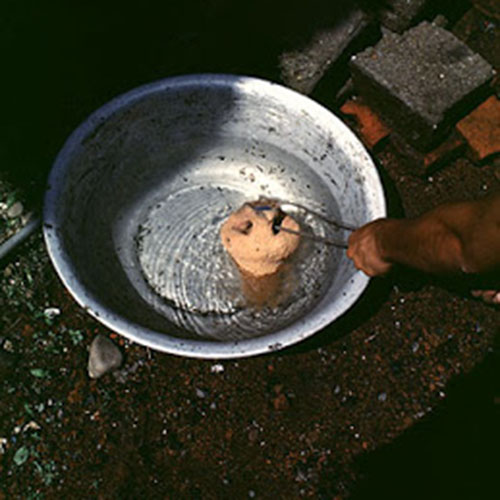
Fire-gilding or Wash-gilding is a process by which an amalgam of gold is applied to metallic surfaces, the mercury being subsequently volatilized, leaving a film of gold or an amalgam containing 13 to 16% mercury. In the preparation of the amalgam, the gold must first be reduced to thin plates or grains, which are heated red-hot, and thrown into previously heated mercury, until it begins to smoke. When the mixture is stirred with an iron rod, the gold is totally absorbed. The proportion of mercury to gold is generally six or eight to one. When the amalgam is cold, it is squeezed through chamois leather to separate the superfluous mercury; the gold, with about twice its weight of mercury, remains behind, forming a yellowish silvery mass with the consistency of butter.
When the metal to be gilded is wrought or chased, it ought to be covered with mercury before the amalgam is applied, that this may be more easily spread; but when the surface of the metal is plain, the amalgam may be applied to it directly. When no such preparation is applied, the surface to be gilded is simply bitten and cleaned with nitric acid. A deposit of mercury is obtained on a metallic surface using quicksilver water, a solution of mercury(II) nitrate, the nitric acid attacking the metal to which it is applied, and thus leaving a film of free metallic mercury.
The amalgam is equally spread over the prepared surface of the metal, the mercury is then sublimed by heat just sufficient for that purpose; for, if it is too great, part of the gold may be driven off, or it may run together and leave some of the surface of the metal bare. When the mercury has evaporated, which is known by the surface having entirely become of a dull yellow color, the metal must undergo other operations, by which the fine gold color is given to it. First, the gilded surface is rubbed with a scratch brush of brass wire, until its surface is smooth.
It is then covered with gilding wax and again exposed to fire until the wax is burnt off. Gilding wax is composed of beeswax mixed with some of the following substances: red ochre, verdigris, copper scales, alum, vitriol, and borax. By this operation, the color of the gilding is heightened, and the effect seems to be produced by a perfect dissipation of some mercury remaining after the former operation. The gilt surface is then covered over with potassium nitrate, alum, or other salts, ground together, and mixed into a paste with water or weak ammonia. The piece of metal thus covered is exposed to heat, and then quenched in water.
By this method, its color is further improved and brought nearer to that of gold, probably by removing any particles of copper that may have been on the gilt surface. This process, when skillfully carried out, produces gilding of great solidity and beauty, but owing to the exposure of the workmen to mercurial fumes, it is very unhealthy. There is also much loss of mercury to the atmosphere, which brings extremely serious environmental concerns as well.
This method of gilding metallic objects was formerly widespread but fell into disuse as the dangers of mercury toxicity became known. Since fire-gilding requires that the mercury be volatilized to drive off the mercury and leave the gold behind on the surface, it is extremely dangerous. Breathing the fumes generated by this process can quickly result in serious health problems, such as neurological damage and endocrine disorders since inhalation is a very efficient route for mercuric compounds to enter the body. This process has generally been supplanted by the electroplating of gold over a nickel substrate, which is more economical and less dangerous
Fire Gold Plating In Nepal
Read More . . .
Gold Painted Face
The face of Vishnu is painted with gold to enhance its significant features, particularly the eyes, and lips. This detailed painting is essential as it brings forth the crucial attributes of the expression of eyes and lips that metal carving alone cannot capture.
Moreover, the painted face serves as a symbolic and sacred ritual in Buddhism, preparing the statue for consecration and practice. The act of painting the face with gold in Buddhism holds deep meaning. It represents the intention to bring life and expression to the statue, imbuing it with a sense of vitality and presence. The application of gold on the face showcases the devotion and craftsmanship of the artisans, ensuring that every detail is carefully attended to honor the sacred essence of the Vishnu.
Protecting the Face In the process of painting the face, a special variation of gold is utilized. This variation is transformed into a powder form that can be applied as paint. The gold used is believed to be 100% pure, enhancing the reverence and spiritual significance associated with this practice.
As the face is painted it is highly recommended that the face of the statue is to be greatly taken care of as it requires a very professional and skilled face artist to repair the face of dirt and damages. Commonly to protect it from damage, the statue with painted face is placed under a glass box and it is always covered with a cotton face mask if it has to be moved
Video of Face Painting
Read More . . .
Full Fire Gold Plating
This Vishnu is finished with full gold plating. also known as mercury gold plating or fire gold plating. This traditional technique involves the application of a genuine layer of gold onto the Vishnu. Referred to as mercury gold plating, it is considered the correct and authentic form of gold plating in Nepal. Despite being more expensive than electroplating, this traditional mercury gold plating is gaining popularity again in Nepal. People are drawn to its authenticity, longevity, and the unmatched beauty it brings to the Vishnu. The resurgence of interest in this traditional form of gold plating reflects a growing appreciation for the craftsmanship and cultural heritage of Nepal
Mercury gold plating is a time-honored process where a real layer of gold is carefully applied to the Vishnu. Skilled artisans expertly handle the amalgamation of gold with mercury, ensuring precise application and stunning results. This method not only imparts a rich and lustrous appearance to the Vishnu but also enhances its durability, allowing the gold plating to last for an extended period.
Detailed Description of Mercury Gilding
The process of Fire Gold plating is both time-consuming and intricate, requiring skilled artisans to carefully apply the gold layer using specialized tools and techniques. Despite the labor-intensive nature of the process, the end result is a stunning work of art that is sure to impress anyone who sees it.
Source wikipedia
Fire-gilding or Wash-gilding is a process by which an amalgam of gold is applied to metallic surfaces, the mercury being subsequently volatilized, leaving a film of gold or an amalgam containing 13 to 16% mercury. In the preparation of the amalgam, the gold must first be reduced to thin plates or grains, which are heated red-hot, and thrown into previously heated mercury, until it begins to smoke. When the mixture is stirred with an iron rod, the gold is totally absorbed. The proportion of mercury to gold is generally six or eight to one. When the amalgam is cold, it is squeezed through chamois leather to separate the superfluous mercury; the gold, with about twice its weight of mercury, remains behind, forming a yellowish silvery mass with the consistency of butter.
When the metal to be gilded is wrought or chased, it ought to be covered with mercury before the amalgam is applied, that this may be more easily spread; but when the surface of the metal is plain, the amalgam may be applied to it directly. When no such preparation is applied, the surface to be gilded is simply bitten and cleaned with nitric acid. A deposit of mercury is obtained on a metallic surface using quicksilver water, a solution of mercury(II) nitrate, the nitric acid attacking the metal to which it is applied, and thus leaving a film of free metallic mercury.
The amalgam is equally spread over the prepared surface of the metal, the mercury is then sublimed by heat just sufficient for that purpose; for, if it is too great, part of the gold may be driven off, or it may run together and leave some of the surface of the metal bare. When the mercury has evaporated, which is known by the surface having entirely become of a dull yellow color, the metal must undergo other operations, by which the fine gold color is given to it. First, the gilded surface is rubbed with a scratch brush of brass wire, until its surface is smooth.
It is then covered with gilding wax and again exposed to fire until the wax is burnt off. Gilding wax is composed of beeswax mixed with some of the following substances: red ochre, verdigris, copper scales, alum, vitriol, and borax. By this operation, the color of the gilding is heightened, and the effect seems to be produced by a perfect dissipation of some mercury remaining after the former operation. The gilt surface is then covered over with potassium nitrate, alum, or other salts, ground together, and mixed into a paste with water or weak ammonia. The piece of metal thus covered is exposed to heat, and then quenched in water.
By this method, its color is further improved and brought nearer to that of gold, probably by removing any particles of copper that may have been on the gilt surface. This process, when skillfully carried out, produces gilding of great solidity and beauty, but owing to the exposure of the workmen to mercurial fumes, it is very unhealthy. There is also much loss of mercury to the atmosphere, which brings extremely serious environmental concerns as well.
This method of gilding metallic objects was formerly widespread but fell into disuse as the dangers of mercury toxicity became known. Since fire-gilding requires that the mercury be volatilized to drive off the mercury and leave the gold behind on the surface, it is extremely dangerous. Breathing the fumes generated by this process can quickly result in serious health problems, such as neurological damage and endocrine disorders since inhalation is a very efficient route for mercuric compounds to enter the body. This process has generally been supplanted by the electroplating of gold over a nickel substrate, which is more economical and less dangerous
Fire Gold Plating In Nepal
Read More . . .
Lost-Wax System
This Vishnu of Vishnu is made by the process of the Lost Wax system. This is a very complicated, time consuming and historic process of making metal sculptures.Which is why it is sometimes called Precision Casting as well. Hence the sculptures made by this process are comparatively expensive. There are many new, advanced and less time consuming methods of casting metal sculptures available as well. But due to the benefits provided by the traditional lost wax system in quality control and customization, we prefer the Loss wax system over Ceramic molding, or sand casting to make our Vishnu.
Below we have tried to illustrate the process of making a loss wax system statue:
The method of metal casting in which a molten metal is poured into a mold that has been created by means of a wax model. Once the mold is made, the wax model is melted and drained away. Bronze statues come to life differently than marble statues. Instead of carving a block or marble, the bronze artist uses the lost-wax technique to make a series of molds, and then pours melted bronze into the final mold to create the sculpture. This method has been around since 4500 BCE.
There are few important steps in lost wax casting process :
Step 1: Sculpting ( It all starts in the studio with an idea, Then figuring out how to realize the vision in clay.)
Step 2: Mold Making.
Step 3: Wax Pouring.
Step 5: Wax Spruing.
Step 6: Shell Dipping.
Step 7: Bronze Pouring.
Interestingly enough Loss wax process is also called Investment casting because after layers have been formed and dried, the wax is melted out of the ceramic tree by using steam (120?C) in an autoclave. This is why it is called "lost wax casting". The majority of the molten wax which can then be regenerated and is reusable.
Before Making statue :At work room making the wax models.
Softening a piece of wax over a brazier.
Relaxing after softening the wax The working environment with works in progress.
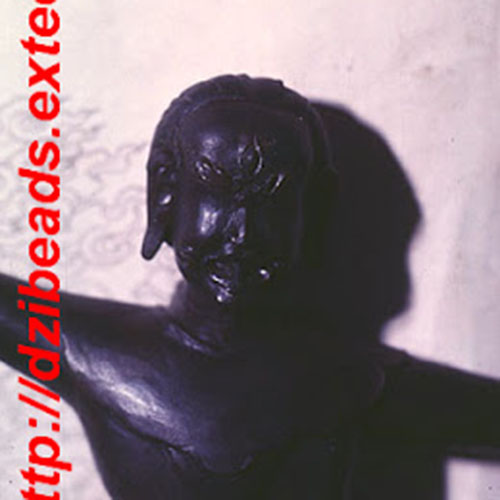
Working the face of an Ekajata wax model.
Working the face of wax model.Using a modeling tool to form the face of Ekajata.
Deatail of wax model
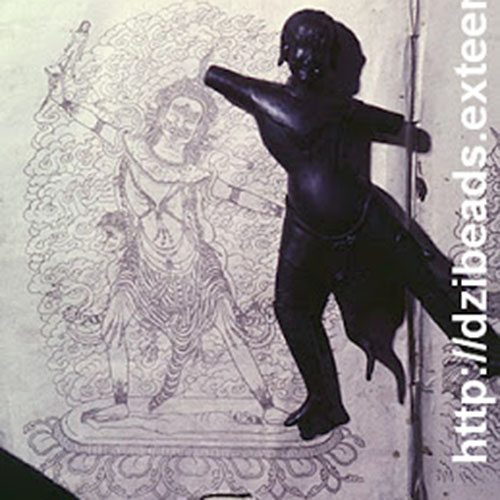
The design for Ekajata compared to the Tibetan book on which it was based.Statues Maker Are master in buddhism .
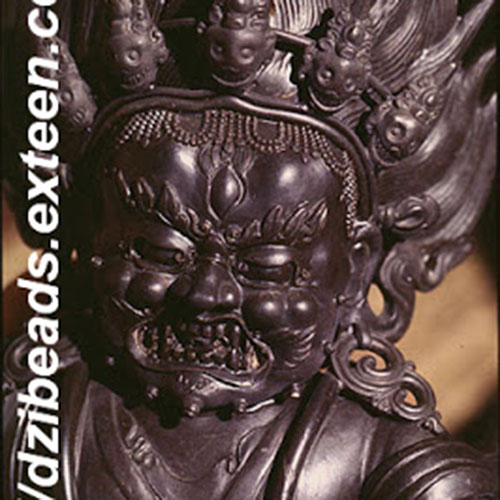
Detail of A partially finished Candamaharoshana (Acala) wax figure made in the Tibetan style.
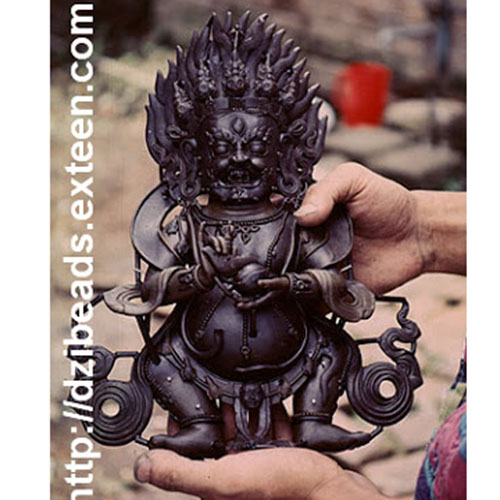
A finished wax image of Mahakala.
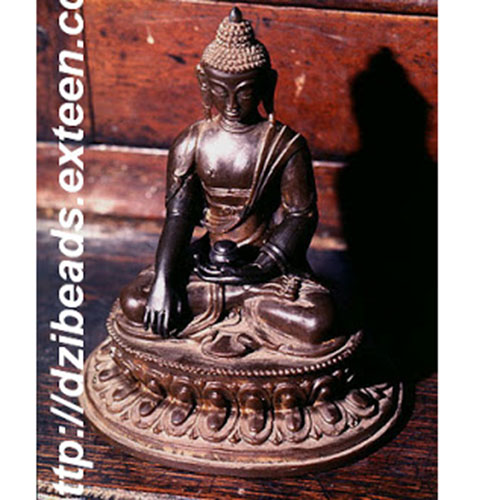
Anthor Finished Wax Model of Shakyamuni Buddha
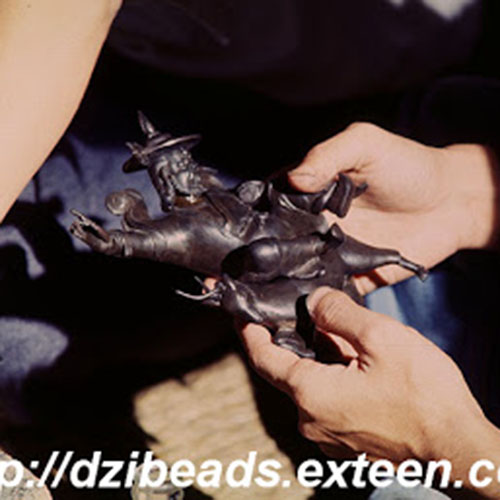
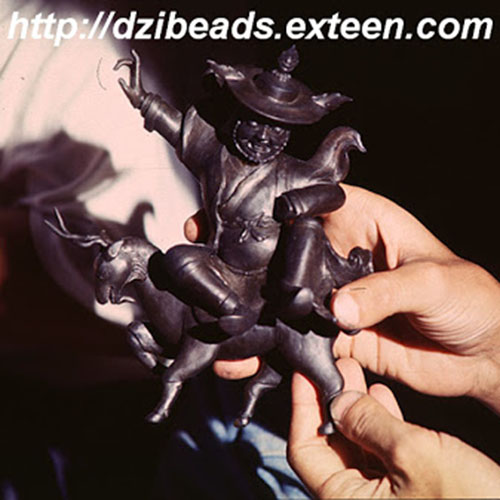
One of the modelers working in the room shows the Pehar image on which he is working.
The artist showed how the goat , which had been completed earlier, fits under the image. ,
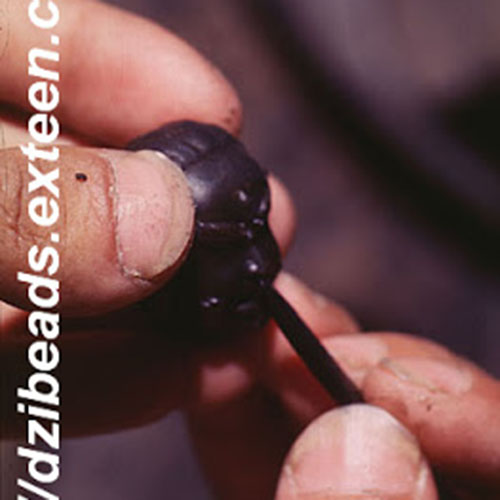
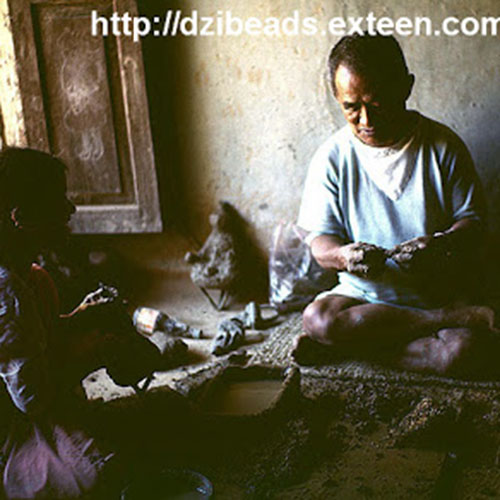
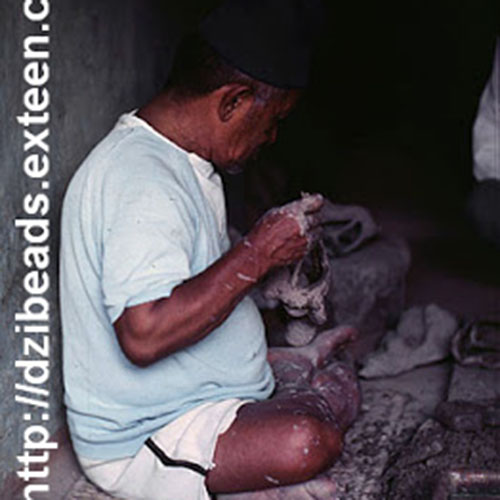
Tej Jyoti Shakya and his wife, Nani Maya Shakya Covering the wax model in a mixture of clay and dung
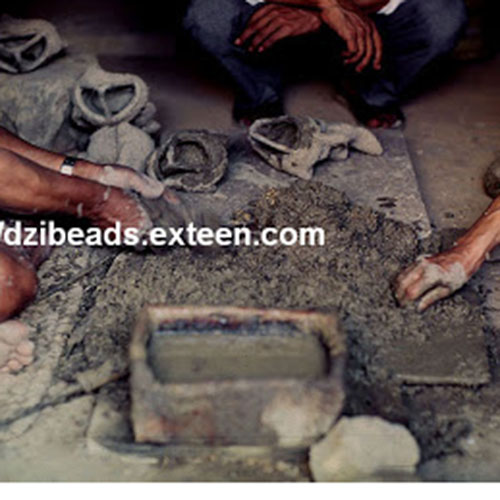
Pressing the mixture of clay and dung around the wax image.
The board with the clay and dung mixture ready for use.
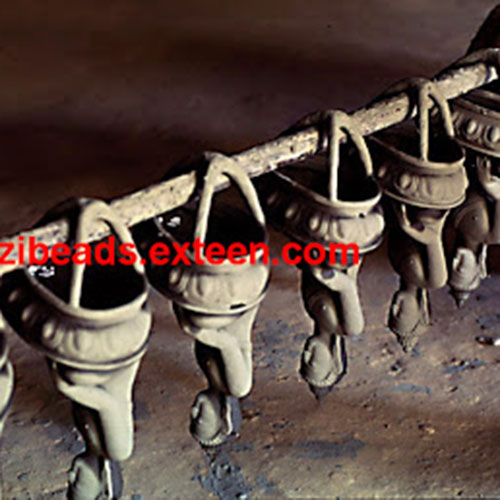
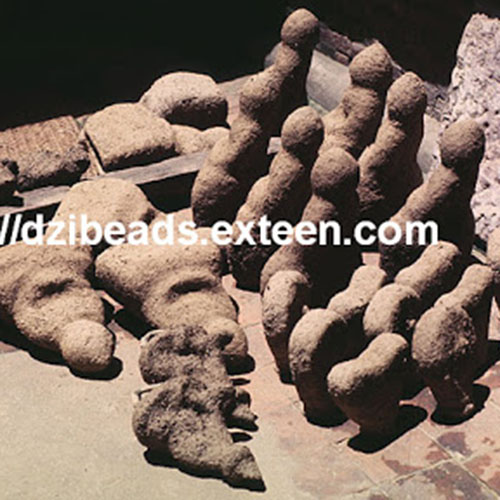
Model Pieces drying after the initial (dipped) thin layer of fine clay.
Clay-covered model pieces drying in the sun.
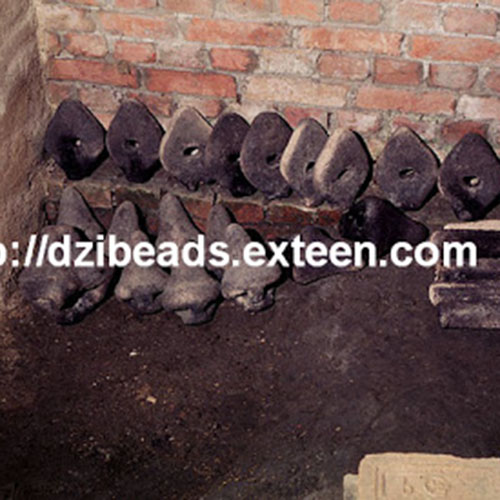
Molds waiting to be put into the burnout furnace
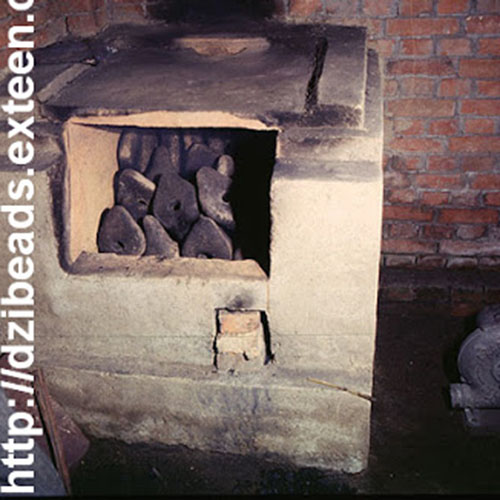
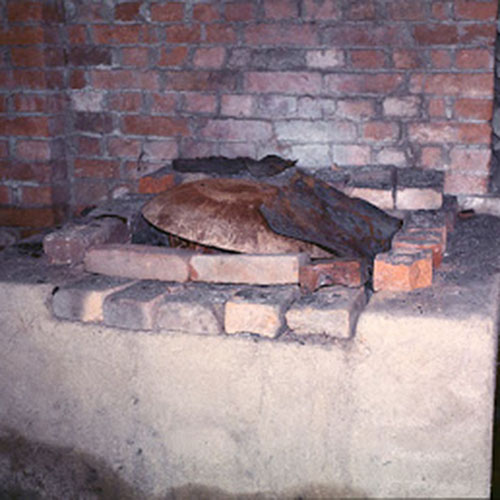
The same molds, seen in the previous image, in the burnout furnace
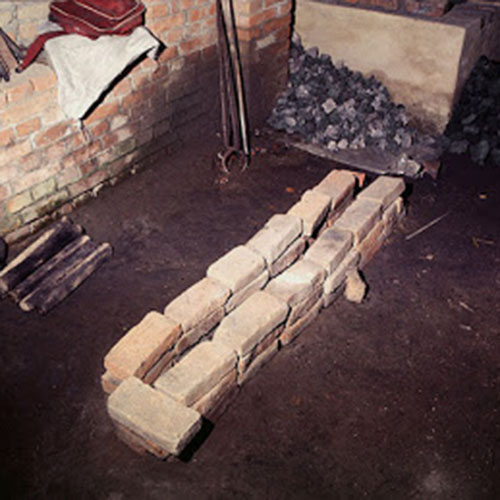
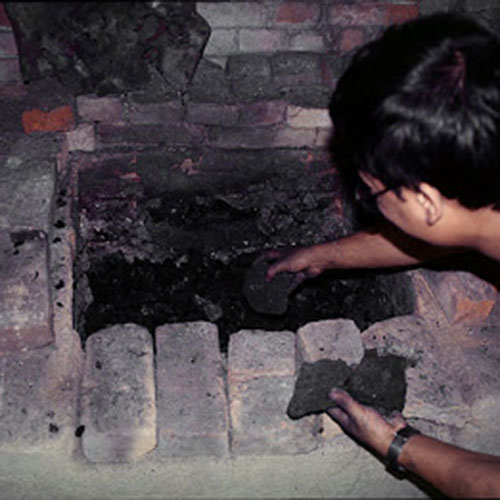
The double row of refractory bricks used to support the heated molds during casting.
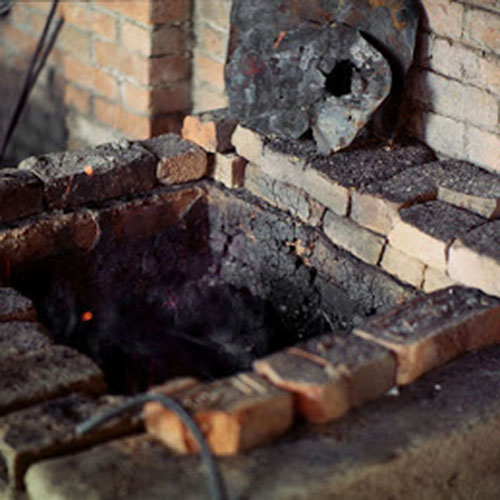
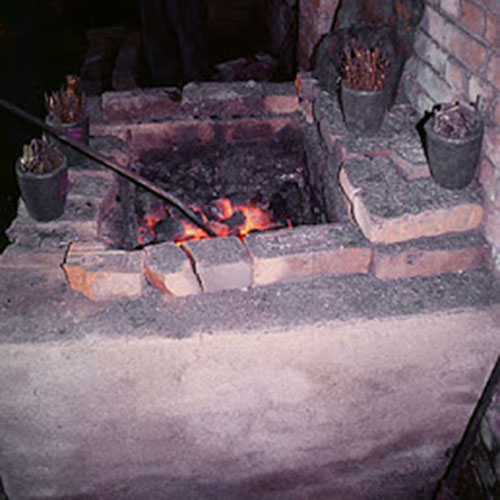
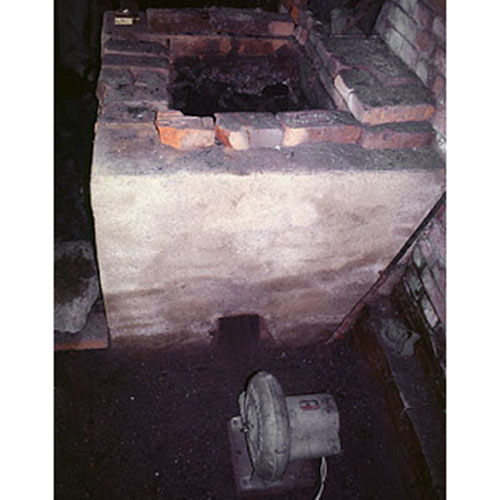
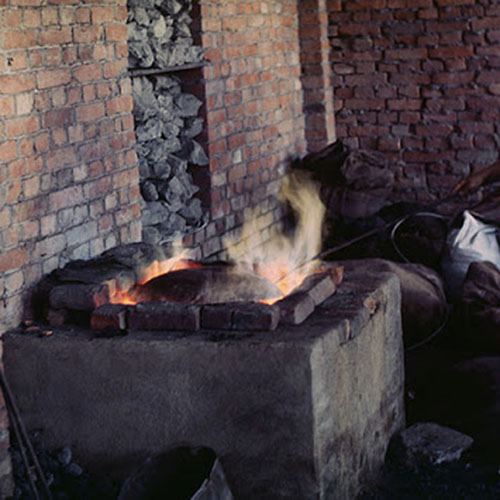
The melting furnace and a pile of coke used for melting the metals. Laying the bed of coke in the melting furnace.
The first ignition of the coke.
Checking the coke bed.
The electric blower used to force air into the melting furnace
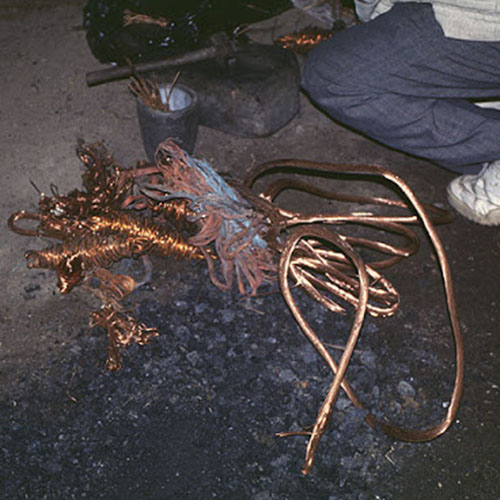
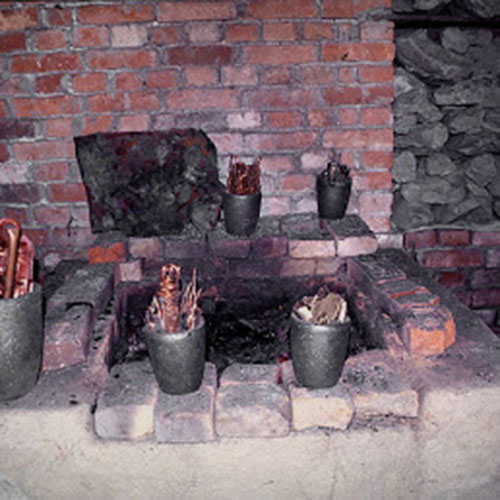
Beginning to fill the crucibles with scrap copper.
Preparing the bed of burning coke to receive the crucibles
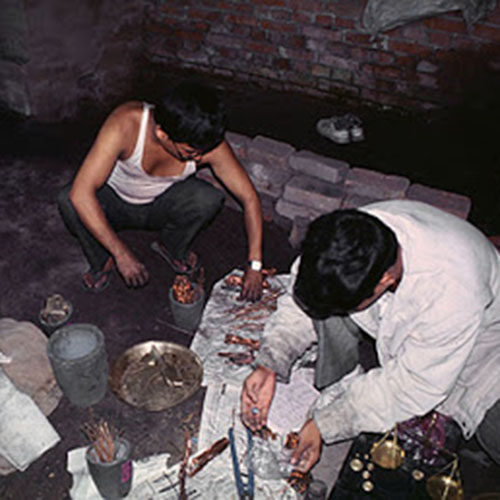
Sorting various metals used in the alloys.
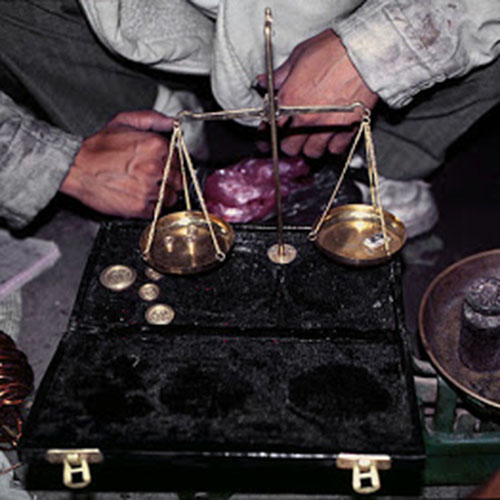
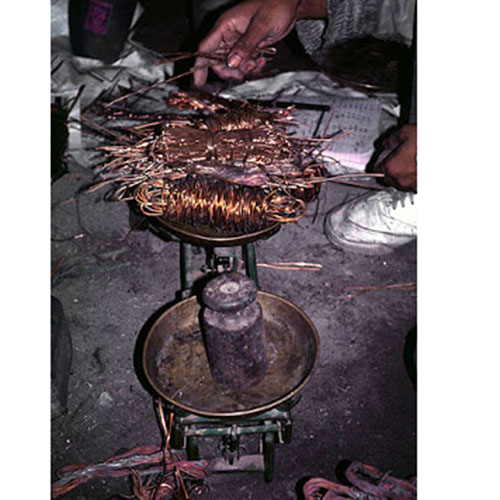
Weighing precious metals that are used in the alloys
Weighing copper from Singapore to achieve a correct alloy.
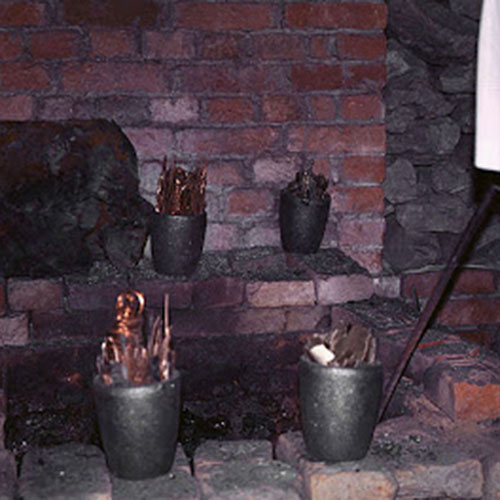
Different sizes of crucibles and various types of metals to be cast in this melt.
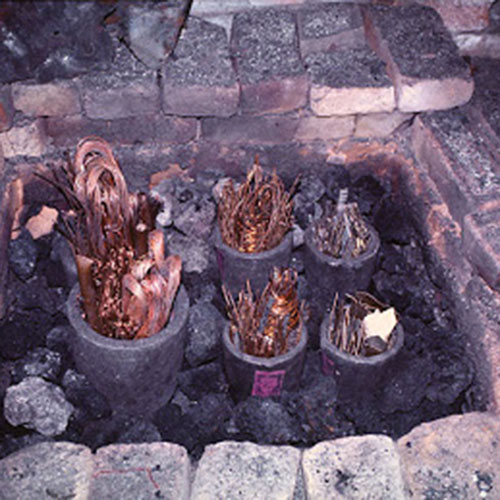
Placing the crucibles in the bed of coke filled with metal are in place.
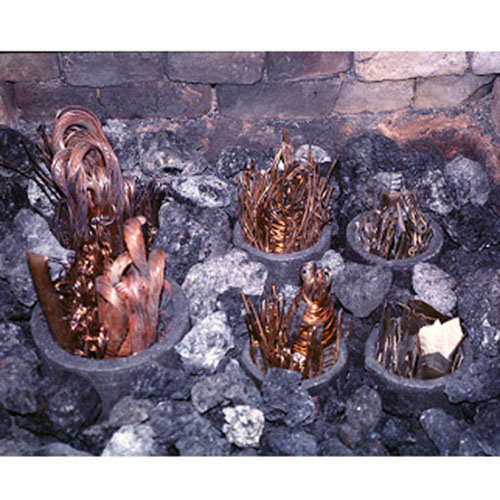
After the crucibles are in place, more coke is piled around them.
The crucibles are covered with scrap metal to hold in the heat.
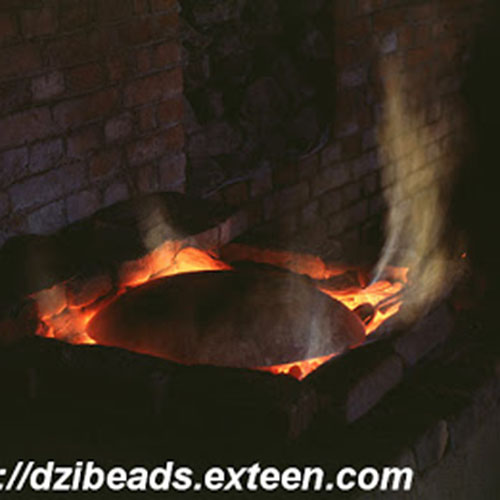
The electric fan is then connected.Soon a very hot flame is produced.
The entire furnace temperature goes up to about 1800 -1900 degrees.
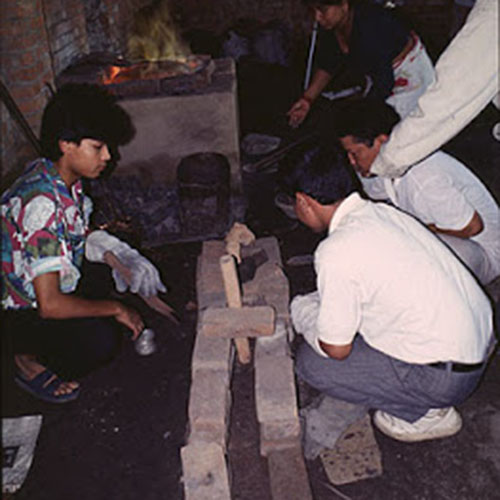
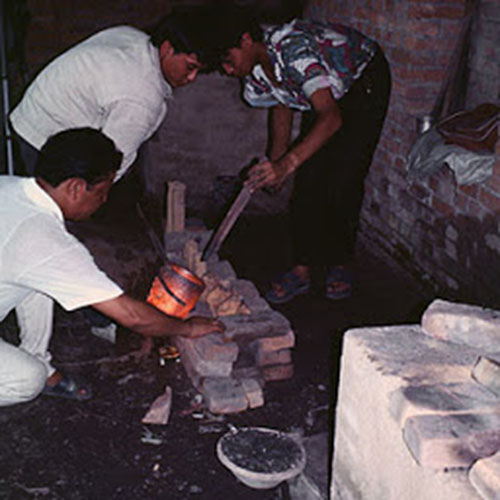
Setting up molds in between the refractory bricks to receive the molten metal. Handling the molds with asbestos gloves and bracing them with fragments of bricks.
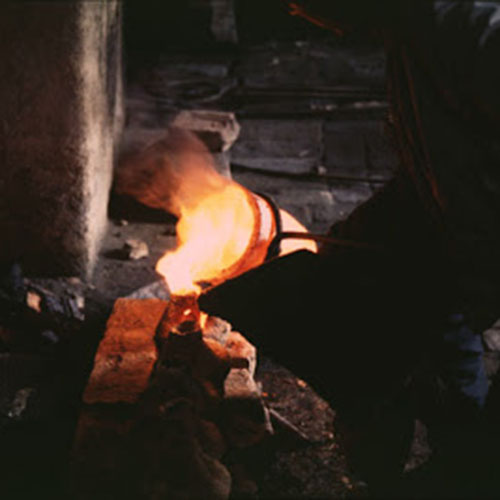
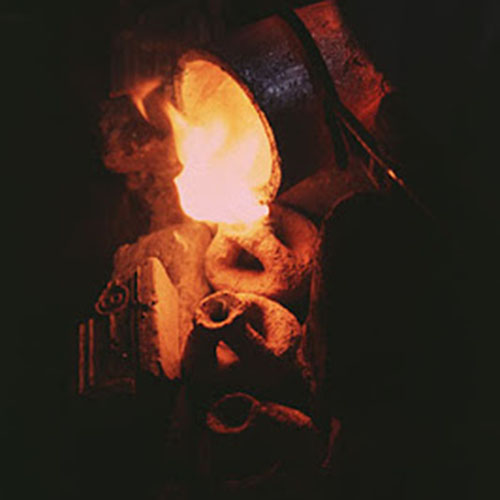
Pouring the molten metal into the base of a mold
Another view of the artists pouring the molten metal.Detailed view showing the molten metal being poured into the sprues.
Preparing to lift and pour molten metal from one of the larger crucibles.
Cooling a mold containing the recently poured metal.
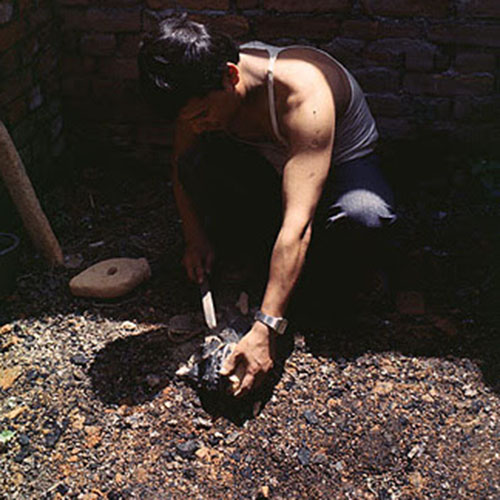
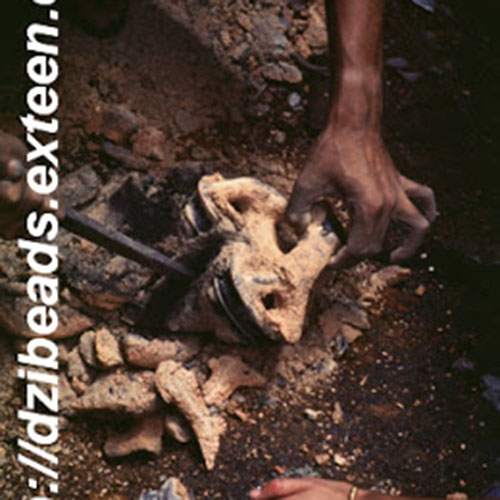
Beginning to break away the clay mold from the metal casting. The mold breaks away revealing the metal image inside
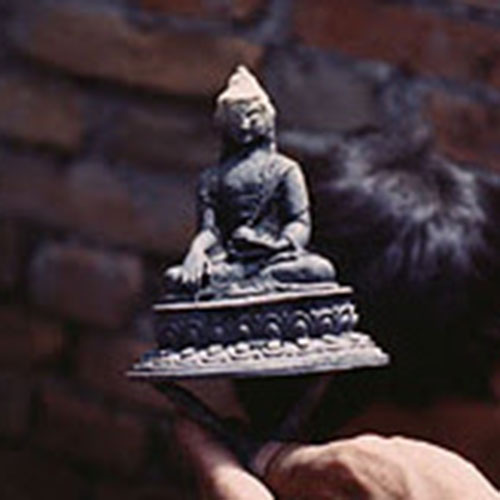
The first metal image from the day's work.
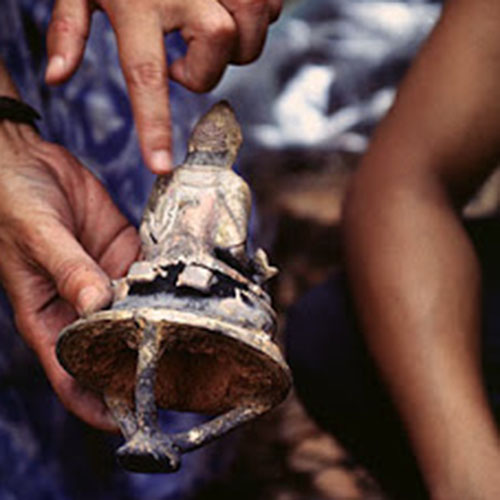
Examining the image for flaws
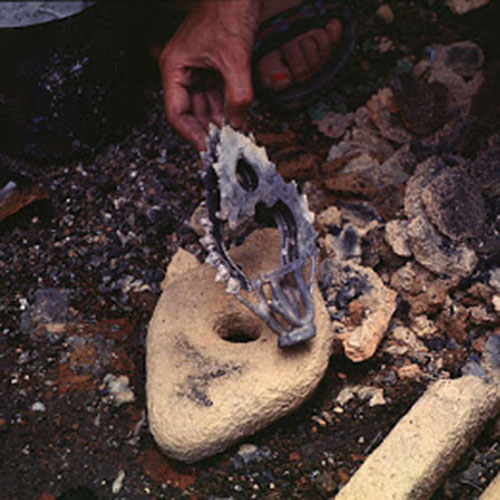
Two auras (prabhamandalas), one that cast perfectly and one (in front) that only partially filled.
Opening more molds
Researchers mark specific metal images for future identification.
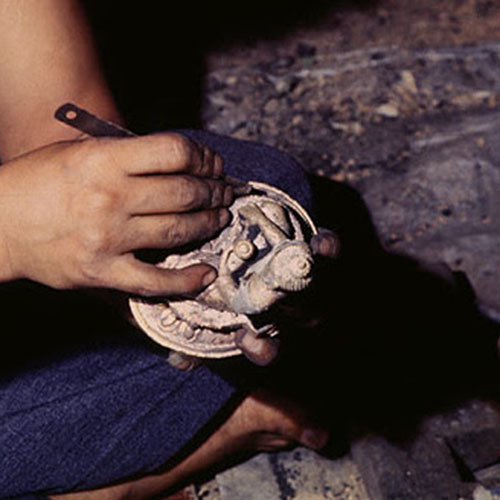
Cleaning the details of the image with a metal tool.
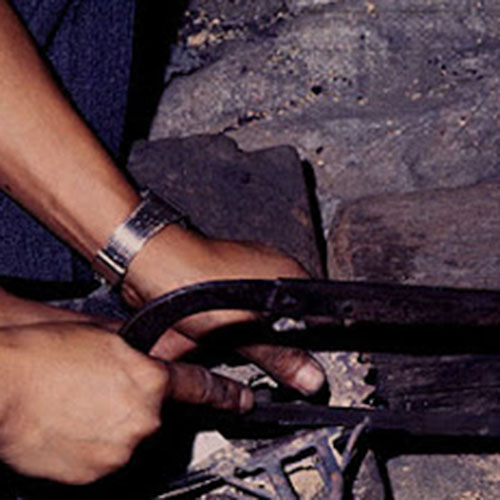
Sawing off the sprues from Aura image. The sprue metal will be reused in future castings.
Two auras that worked perfectly. The one on the right has been cut off of the sprues, while the one on the left still has the sprues attached.
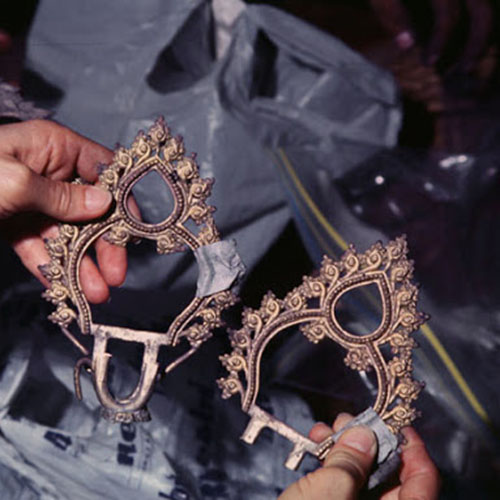
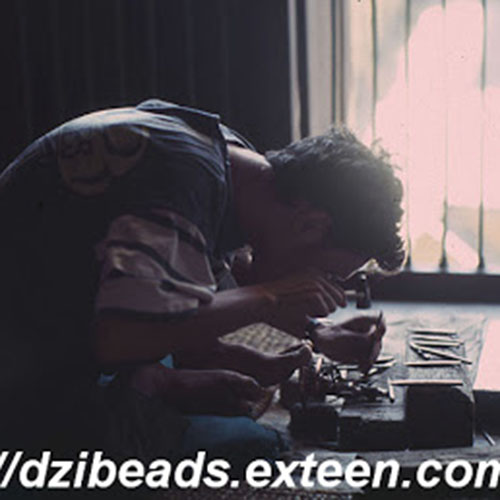
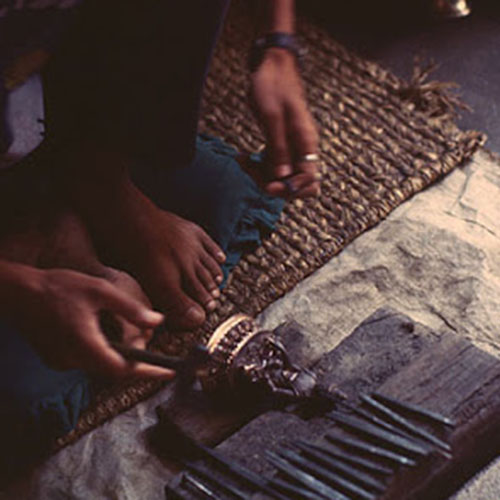
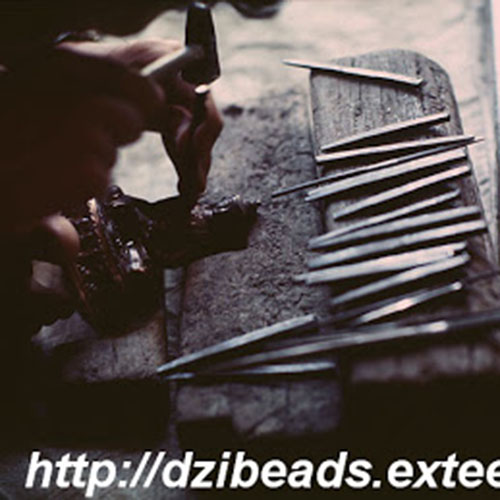
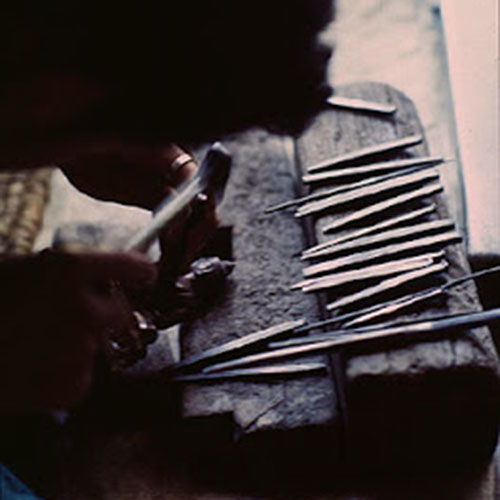
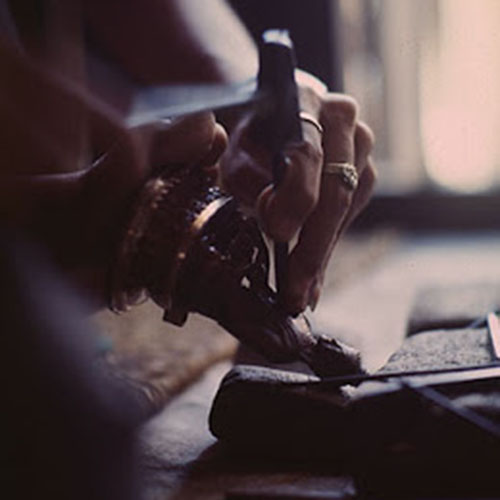
The finishing specialist begins the finishing process with a set of tools, including a small hammer. to give more detail
The entire surface of the image will be gently hammered to a final, almost polished finish.
The finisher's tools and the work in progress
Finishing work on an image of the Buddha.
Hammering the chest of an image that is being held against the work block
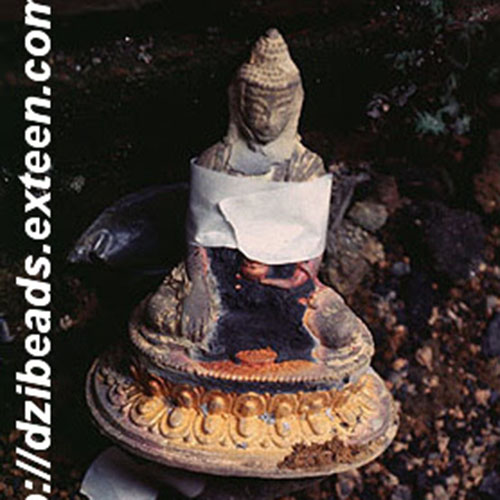
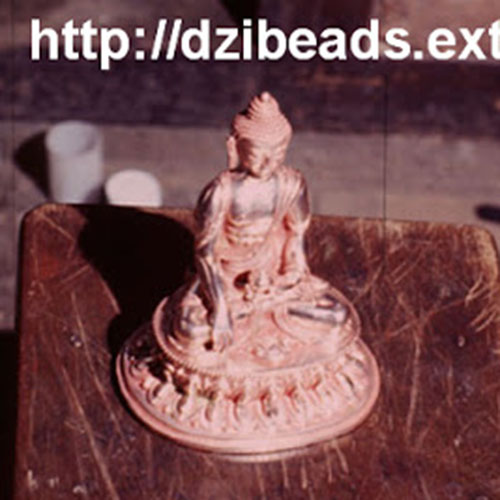
A Buddha image hammered and chased to the final, detailed finish.
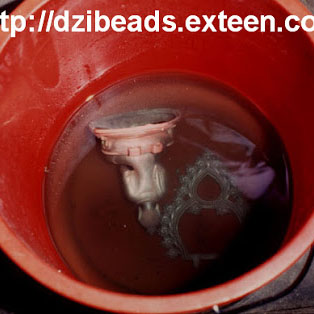
Cleaning in a very mild acid bath. The image and prabhamandala are placed in a final acidic bath to make sure the surface is absolutely clean.
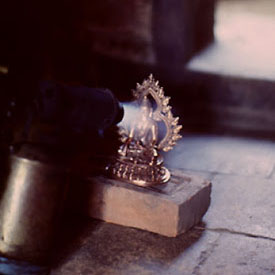
Drying the image with a blow torch.
Read More . . .
Dashavatara - 10 Incarnations :
1. Matsya (The fish)
1. Matsya, the fish, from the Satya Yuga. Vishnu takes the form of a fish to save Manu from the deluge, after which he takes his boat to the new world along with one of every species of plant and animal, gathered in a massive cyclone.
2. Kurma
Kurma, the tortoise, from the Satya Yuga. When the devas and asuras were churning the Ocean of milk in order to get amrita, the nectar of immortality, the mount Mandara they were using as the churning staff started to sink and Vishnu took the form of a tortoise to bear the weight of the mountain.
3. Varaha
Varaha, the boar, from the Satya Yuga. He appeared to defeat Hiranyaksha, a demon who had taken the Earth, or Prithvi, and carried it to the bottom of what is described as the cosmic ocean in the story. The battle between Varaha and Hiranyaksha is believed to have lasted for a thousand years, which the former finally won. Varaha carried the Earth out of the ocean between his tusks and restored it to its place in the universe.
4. Narsimha
Narasimha, the half-man/half-lion, from the Satya Yuga. The rakshasa (Demon) Hiranyakashipu, the elder brother of Hiranyaksha, was granted a powerful boon from brahma, not allowing him to be killed by man or animal, inside or out, day or night, on earth or the stars, with a weapon either living or inanimate. Vishnu descended as an anthropomorphic incarnation, with the body of a man and head and claws of a lion. He then disembowels the rakshasa at the courtyard threshold of his house, at dusk, with his claws, while he lay on his thighs.
5. Vamana
Vamana, a boy, from the Satya Yuga. The fourth descendant of Hiranyakashyap, Bali, with devotion and penance was able to defeat Indra, the god of firmament. This humbled the other deities and extended his authority over the three worlds. The gods appealed to Vishnu for protection and he descended as a boy Vamana. During a yajna (यज्ञ )of the king, Vamana approached him and Bali promised him for whatever he asked. Vamana asked for three paces of land. Bali agreed, and the dwarf then changed his size to that of a giant. He stepped over heaven in his first stride, and the netherworld with the second. Bali realized that Vamana was Vishnu incarnate. In deference, the king offered his head as the third place for Vamana to place his foot. The avatar did so and thus granted Bali immortality. Then in appreciation to Bali and his grandfather Prahlada, Vamana made him ruler of Pathala, the netherworld.
6. Parashurama
Parashurama, warrior with the axe, from the Satya Yuga. He is son of Jamadagni and Renuka and received an axe after a penance to Shiva. He is the first Brahmin-Kshatriya in Hinduism, or warrior-saint, with duties between a Brahmana and a Kshatriya). King Kartavirya Arjuna and his army visited the father of Parashurama at his ashram, and the saint was able to feed them with the divine cow Kamadhenu. The king demanded the cow, Jamadagni refused, and the king took it by force and destroyed the ashram. Parashurama then killed the king at his palace and destroyed his army. In revenge, the sons of Kartavirya killed Jamadagni. Parashurama took a vow to kill every Kshatriya on earth twenty-one times over, and filled five lakes with their blood. Ultimately, his grandfather, rishi Rucheeka, appeared and made him halt. He is a Chiranjeevi (immortal), and believed to be alive today in penance at Mahendragiri.
7. Rama
Rama, the prince and king of Ayodhya, from the Treta Yuga. He is a commonly worshiped avatar in Hinduism, and is thought of as the ideal heroic man. His story is recounted in one of the most widely read scriptures of Hinduism, the Ramayana. While in exile from his own kingdom with his brother Lakshman and the monkey God Hanuman, his wife Sita was abducted by the demon king of Lanka, Ravana. He travelled to Ashoka Vatika in Lanka, killed the demon king and saved Sita.
8. Krishna
Krishna was the eighth son of Devaki and Vasudev, from the Dwapara Yuga. He is also a frequently worshiped deity in Hinduism and an avatar in Vaishnava belief. He appeared alongside his elder brother Balarama. Balarama is regarded generally as an avatar of Shesha. However, Balarama is included as the eighth avatar of Vishnu in the Sri Vaishnava lists, where Buddha is omitted and Krishna appears as the ninth avatar in this list. He particularly included in the lists, where Krishna is removed and becomes the source of all avatars.
9. Buddha
Buddha: Gautama Buddha, the founder of Buddhism, is generally included as an avatar of Vishnu in Hinduism. Buddha may be depicted in Hindu scriptures as a preacher who deludes and leads demons and heretics away from the path of the Vedic scriptures. Another view praises him as a compassionate teacher who preached the path of ahimsa (non-violence).
10. Kalki
Kalki ("Eternity", or "White Horse", or "Destroyer of Filth"), will be the final incarnation of Vishnu, foretold to appear at the end of Kali Yuga, our present epoch. He will be atop a white horse and his sword will be drawn, blazing like a comet. He is the harbinger of end time in Hindu eschatology, and will destroy all unrighteousness and evil at the end of Kali Yuga.
At Handicraft Seller, we believe in providing a seamless and user-friendly experience to our valued customers. While our website is not an online shopping platform, we have incorporated a shopping cart system to simplify the process of sending us your inquiries. Please follow the steps below to place your order:
Step 1: Browsing the Selection Explore our website to discover a delightful array of authentic Nepali handicraft products. Click on the products you are interested in to view detailed descriptions and images.
Step 2: Adding Items to Your Inquiry Cart To express your interest in a particular product, click the "Add to Inquiry Cart" button associated with that item. The shopping cart will accumulate your selected products, providing a convenient way to organize your choices.
Step 3: Reviewing Your Inquiry Cart Once you have finished selecting the items you wish to inquire about, review your "Inquiry Cart" to ensure accuracy.
Step 4: Sending Your Inquiries Proceed to submit your inquiries by clicking the "Submit Inquiry" button. A form will prompt you to provide your contact details, the selected products, and any specific queries you may have.
Step 5: Communicating through Email As we do not have an automated payment system, we will conduct the business process through email. Our team will review your inquiries and respond via email, offering further assistance and guidance.
Step 6: Clarifying Details and Finalizing Your Order Engage in direct communication with our team to clarify any additional information or customization requests. Once you are satisfied with the details, we will provide you with payment instructions and confirm the order.
Step 7: Completing the Transaction Make the payment through the designated method as provided in the email. After receiving the payment, we will process your order and prepare it for shipment.
Step 8: Shipping and Delivery We offer worldwide shipping for all our products. Once your order is dispatched, we will provide you with shipping details and tracking information.
Step 9: Receiving and Enjoying Your Handicrafts Wait for your exquisite handicrafts to arrive at your doorstep. Unpack and revel in the beauty and craftsmanship of your chosen Nepali treasures.
Contacting Us If you encounter any complications while submitting your inquiries or need further assistance, please feel free to contact us. Preferably, reach out to us through WhatsApp or email for prompt responses and support.
We hope this straightforward ordering process ensures a delightful and satisfying experience with Handicraft Seller. Thank you for choosing us to connect you with the rich heritage of Nepali handicrafts.
Return Policy
We have a 7 days money back policy but buyer have to pay the return shipping charges.
Shipping
Shipping cost is calculated, based on the shipping weight of the products ordered. THe normal Shipping cost is US$25 for upto 0.5 kgs weight
We ship Worldwide, Except Russia and India.
The deliver duration varies for international Shipping location. We normally dispatch the product in 2 -3 business days. Else Buyer will be infromed Personally about the shipping.
This is not a direct shopping website. So no payments are needed for placing an order. Please feel free to send us an order for the product you are interested in, mentioning the approximate quantity. Based on which we will send you a wholesale price quotation.
![[vishnu], Buddhist Handmade Statue, [full Gold Plated], [face Painted]](https://www.handmadeexpo.com/pics/product/35665.jpg)

![[vishnu], Buddhist Handmade Statue, [full Gold Plated], [face Painted]](https://www.handmadeexpo.com/pics/product/thumb/35665.jpg)
![[vishnu], Buddhist Handmade Statue, [full Gold Plated], [face Painted]](https://www.handmadeexpo.com/pics/product/thumb/35665_0.jpg)
![[vishnu], Buddhist Handmade Statue, [full Gold Plated], [face Painted]](https://www.handmadeexpo.com/pics/product/thumb/35665_1.jpg)
![[vishnu], Buddhist Handmade Statue, [full Gold Plated], [face Painted]](https://www.handmadeexpo.com/pics/product/thumb/35665_2.jpg)
![[vishnu], Buddhist Handmade Statue, [full Gold Plated], [face Painted]](https://www.handmadeexpo.com/pics/product/thumb/35665_3.jpg)